Gender Equity in Health Emergency Preparedness and Response
COVID-19 has presented us with a break in history and an opportunity to fix the structural weaknesses in our health and social systems so we can better withstand future shocks.
Women make up the majority of health workers, yet they hold a minority of senior decision-making roles and face unsafe working conditions, along with being paid less than their male counterparts. Additionally, the great resignation of health workers, combined with a projected shortfall of 10 million health workers prior to the pandemic, has created a significant health security issue.
A gender-responsive approach to pandemic preparedness and response would ensure that the unique needs and perspectives of women and girls are integrated into all aspects of the public health response. This includes conducting sex-disaggregated data analysis, involving women in decision-making processes, and addressing the gendered impacts of pandemics, such as increased domestic violence and unpaid care work. By prioritizing gender-responsive pandemic preparedness and response, we can promote more equitable and effective health outcomes for all members of society.


About our work
Women in Global Health is actively working towards rebuilding a more secure and equal foundation for global health by enabling women who already deliver health to also lead it. This approach recognizes the role of women in the health workforce and the need to integrate their unique needs and perspectives into all aspects of the public health response. By prioritizing gender-responsive pandemic preparedness and response, we can ensure more equitable and effective health outcomes for all.
In December 2021, at a special session of the World Health Assembly (WHASS), WHO’s Member States established an Intergovernmental Negotiating Body (INB) to draft an international agreement to strengthen pandemic prevention, preparedness and response (referred to as the WHO CA+). Women in Global Health has worked closely with INB to strengthen gender responsiveness in both the Zero Draft (WHO CA+) and the legally-binding International Health Regulations for 194 WHO Member States.
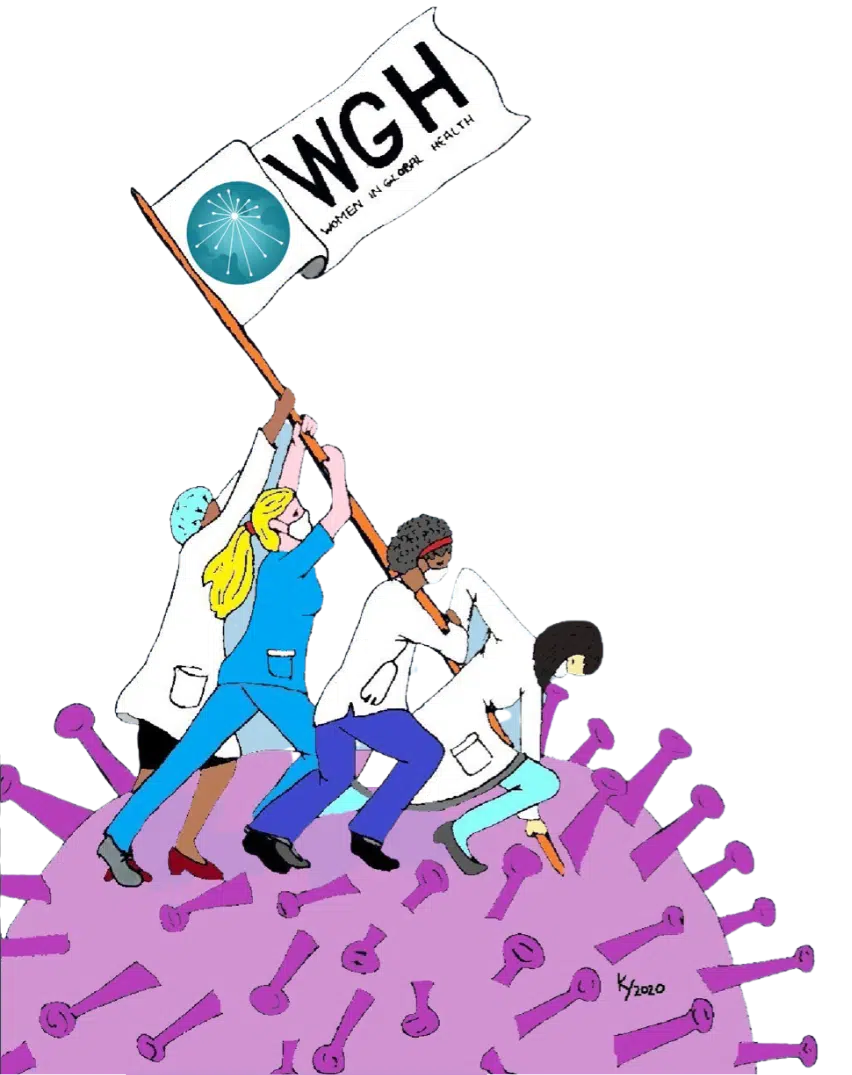
WGH’s Five Asks for Gender-Responsive Global Health Security
- Include women in global health security decision making structures and public discourse
- Provide health workers, most of whom are women, with safe and decent working conditions
- Recognize the value of women’s unpaid care work by including it in the formal labor market and redistributing unpaid family care equally
- Adopt a gender-sensitive approach to health security data collection/analysis and response management
- Fund women’s movements to unleash capacity to address critical gender issues