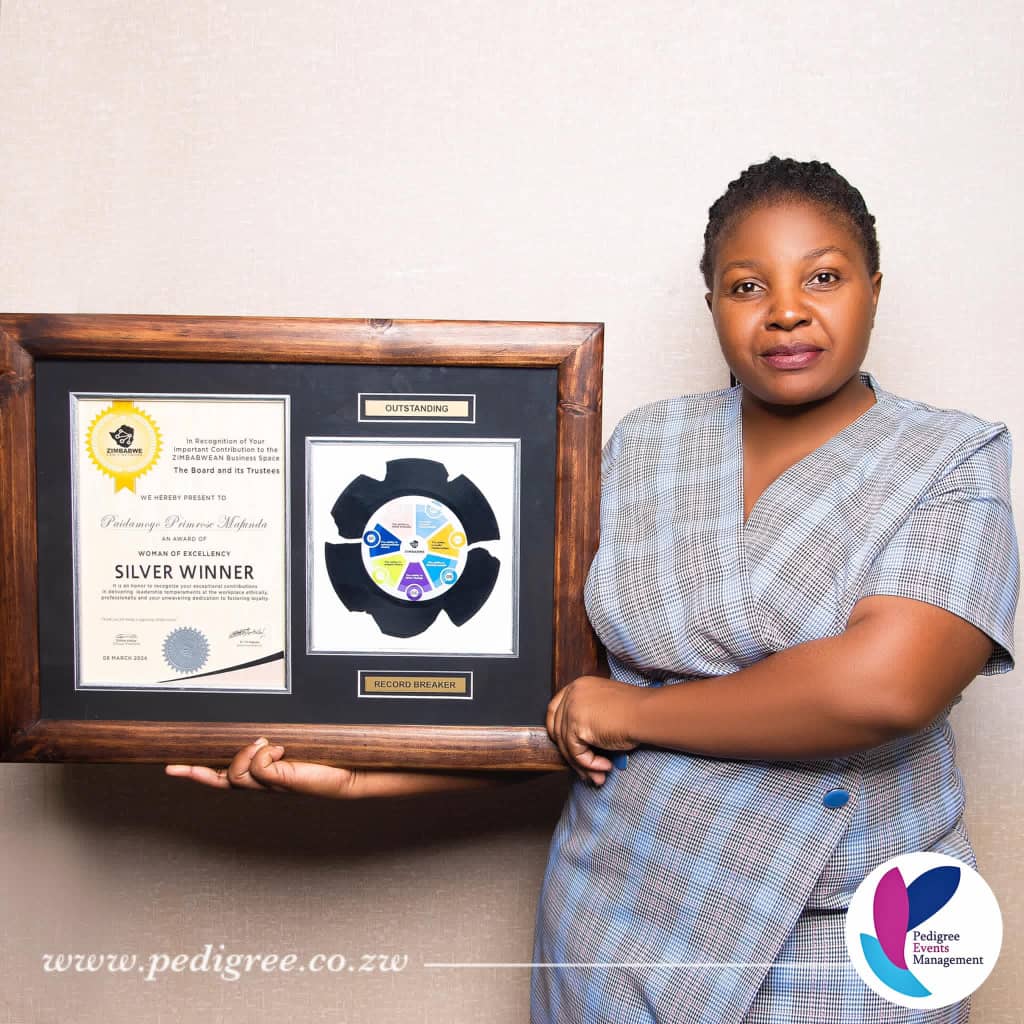
Paidamoyo P. Mafunda is a Medical and Health Events Programs Coordinator working to bridge the gap between medical knowledge and communities in Zimbabwe. She organizes medical conferences, awareness campaigns, and education events that connect healthcare professionals with patients and the public. Her story reflects the planning and adaptability required to transform healthcare communication despite financial constraints and logistical challenges, creating change in health awareness and policy development.
Making Medical Knowledge More Accessible
As a medical and health events planner, I was inspired to take this initiative by a deep passion for bridging the gap between medical knowledge and the people who need it most-healthcare professionals, patients, and the wider community. Over the years, I observed how impactful well-organized medical conferences, symposiums, and awareness campaigns can be in improving healthcare delivery and professional collaboration. Ultimately, my goal is to contribute to a healthcare system that is informed, connected, and proactive. Well-executed events are a powerful way to make that happen.

Impact of Events on Public Health Awareness
My work as a medical events planner has had a multi-level impact. Personally, it has pushed me to grow into a more strategic thinker and effective communicator. Every event taught me how to manage complex logistics, bring together diverse stakeholders, and remain calm under pressure—skills that have shaped both my career and my character.
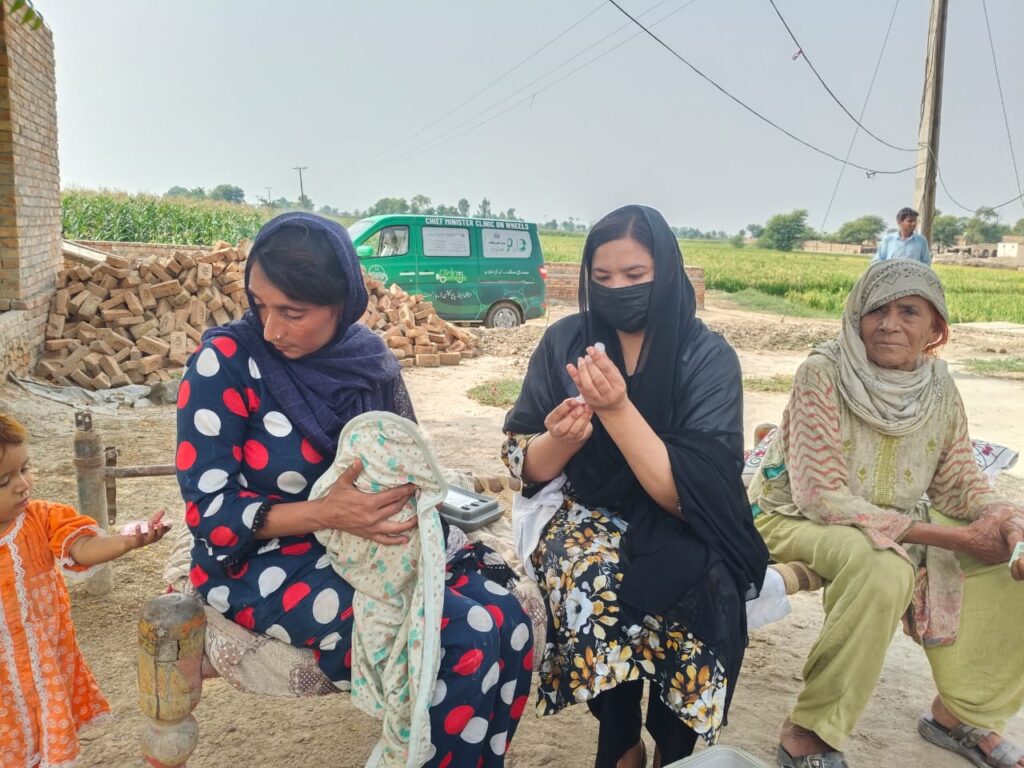
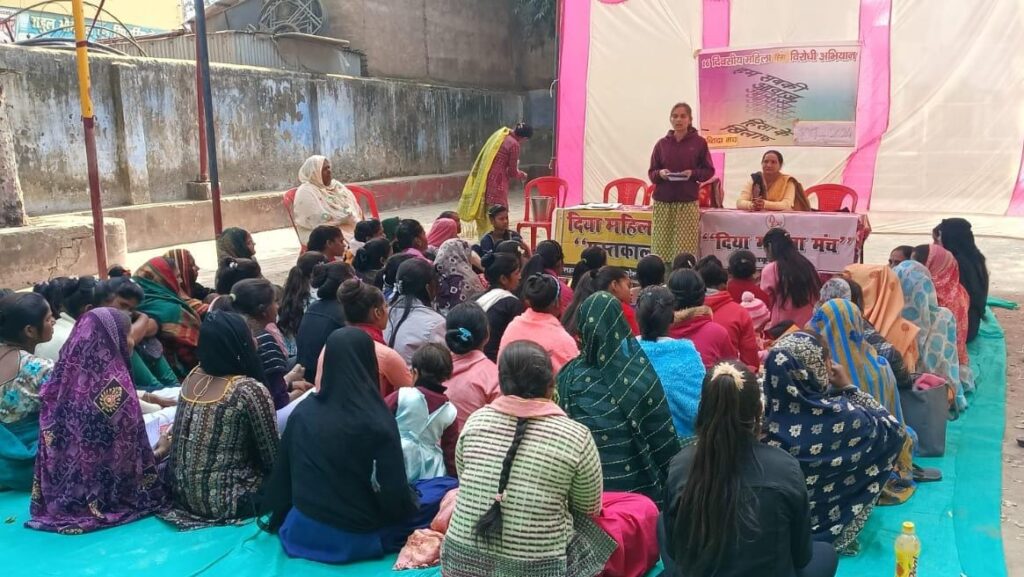
At the community level, our events have increased public health awareness and improved health-seeking behaviors. For example, after organizing a chronic disease awareness campaign, we saw a measurable increase in local screening rates and follow-up visits, showing how powerful education can be.
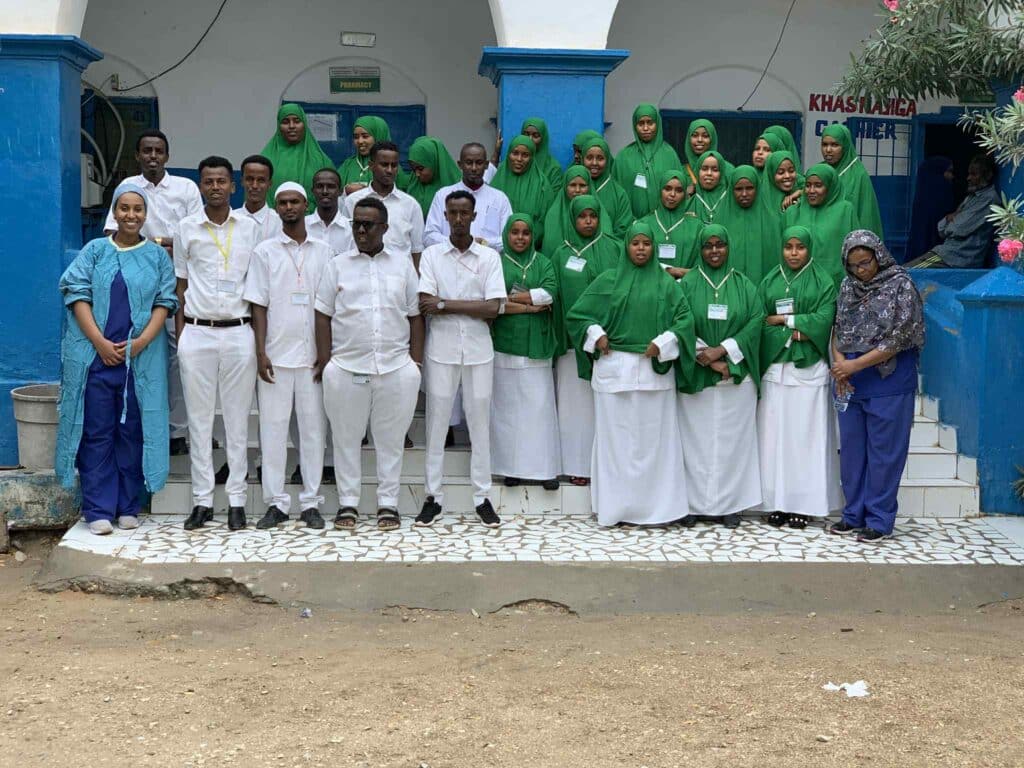
Socially, our events have fostered collaboration between healthcare professionals, NGOs, and community leaders—breaking silos and encouraging more integrated care approaches. On a policy level, some of the conferences we’ve coordinated have led to the drafting of position papers and recommendations that were submitted to health authorities. These contributions have influenced discussions on healthcare guidelines and policy improvements.
Within the health system, our initiatives have supported continuing medical education (CME), helped disseminate best practices, and encouraged innovation. It’s incredibly fulfilling to know that through careful planning and coordination, our events are not just gatherings—they are catalysts for lasting change.
This career path had it’s significant challenges such as: complex data bundles for medical practitioners, last minute cancellations, budget constraints whilst trying to maintain a high standard of experience.
I have managed to resolve the above mentioned challenges through planning, proactive problem-solving and effective communication.
Words for Future Women Leaders in Health
One key lesson I have learnt is the importance of staying adaptable and solution-focused. In medical event planning, even the most meticulously organized event can face last-minute changes — from speaker cancellations to regulatory updates. Learning to remain calm and pivot quickly without compromising quality is critical.
Compliance is not just a checkbox, it is a core part of the planning process. Especially in the medical and pharmaceutical industries, understanding the compliance landscape early and integrating it into every phase of planning can save time, protect your organization’s reputation, and ensure ethical engagement with healthcare professionals.
Also, never underestimate the value of building strong vendor and stakeholder relationships. Treat your suppliers and internal teams as true partners. When unexpected challenges arise — and they will — these relationships can make the difference between a minor setback and a major crisis.
Finally, I would say: never stop learning. The medical and events industries evolve quickly — from new technologies like virtual platforms and AI-driven engagement tools to updates in global healthcare regulations. Attending industry conferences, networking with peers, and being curious will keep you ahead of the curve.