Archives: Chapter Stories

25 Years Polio-Free: A Lady Health Visitor’s Journey on Polio Eradication

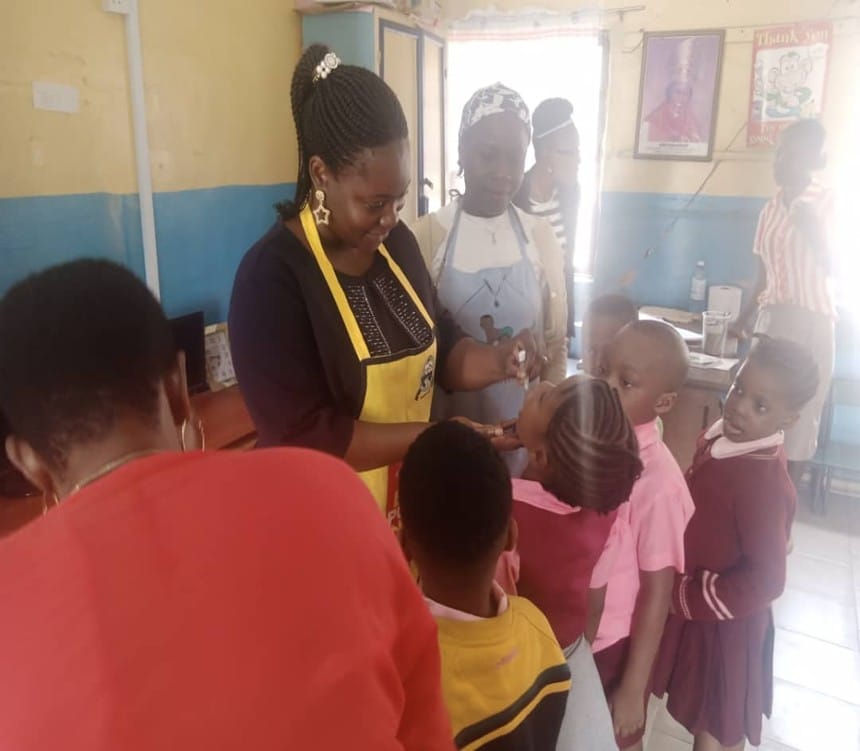
Saima Asghar is a Lady Health Visitor in Pakistan and works closely with communities on polio vaccines, maternal and child health. Her story  showcases how frontline health workers can make communities polio-free through perseverance, empathy and empowering women in health decision making.

A Mission Beyond Vaccination

My journey as a polio worker began more than a decade ago, when I joined the Polio Eradication Programme in Bhawalnagar, a district in Punjab province located along Pakistan’s eastern border. As a Lady Health Visitor (LHV), I had already been working with communities, mothers and children, but the devastating impact of polio gave me the strongest motivation to step forward. I was inspired by the dream of a polio-free Pakistan, and I felt a personal responsibility to protect every child in my community from this disease. For me, this was not just a job but a mission to save lives and secure a healthier future.

What motivated me most was the dedication of frontline workers, especially women, who were walking door to door in extreme conditions. Their resilience showed me that with the right support and leadership, real change was possible. Polio was not just a health issue; it was a barrier to our children’s future, and I felt a strong responsibility for contributing to its eradication.

Building Trust, Door by Door

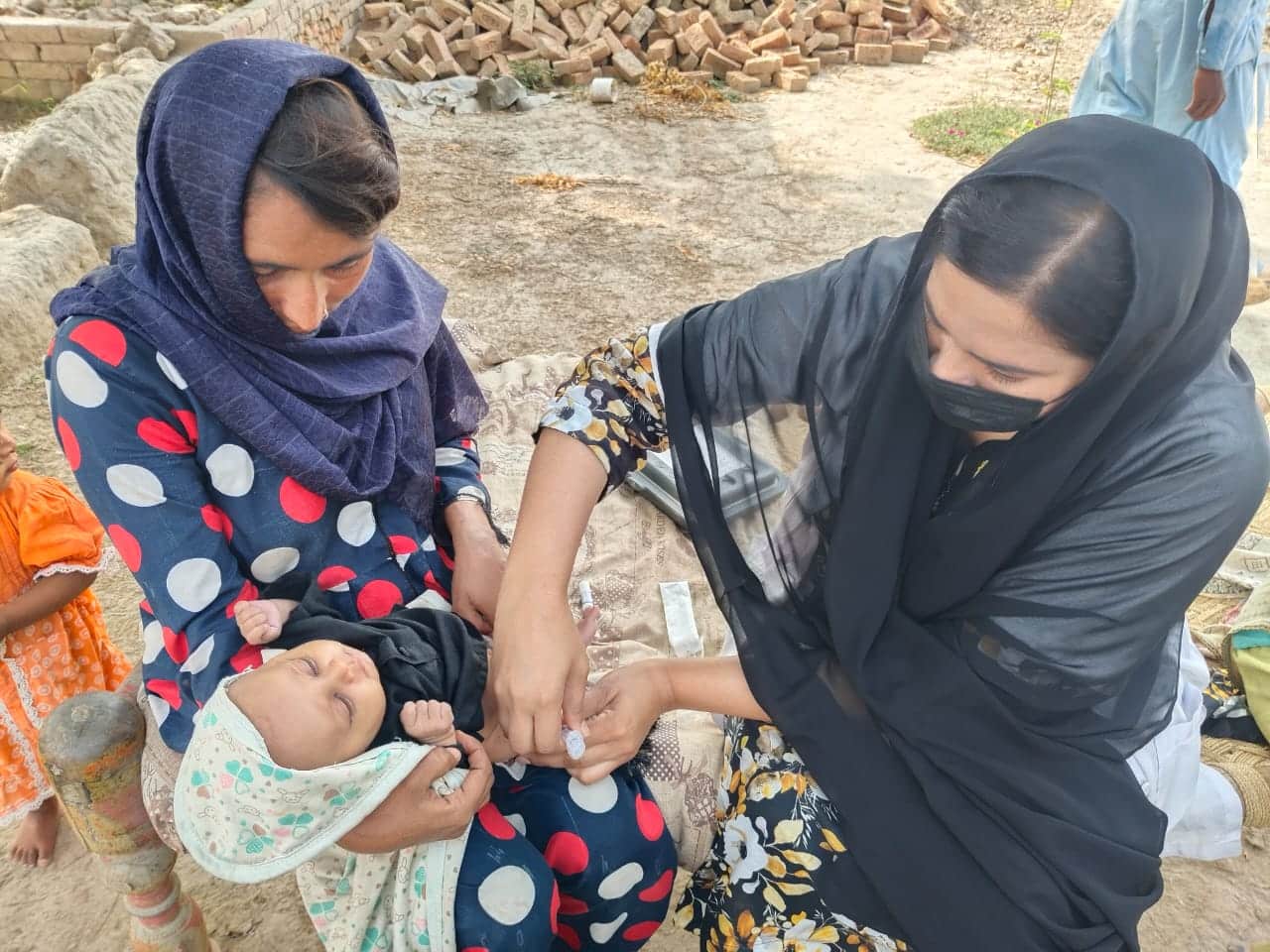
For the past decade, polio workers have worked tirelessly as part of polio campaigns. Their role involved going door to door, vaccinating children under five, speaking with families and addressing their fears or misconceptions. Alongside the polio drops, they were also engaging mothers in conversations about child and maternal health, answering their questions and providing referrals to health facilities when needed.

My role involved creating an enabling environment where workers felt safe, trained and motivated, and where communities could trust our efforts. This included providing training, addressing safety and logistical concerns, developing referral systems for zero-dose children and strengthening community engagement through awareness initiatives. Our approach was not limited to administering vaccines alone; we also positioned our teams as accessible sources of information for mothers and families, offering guidance on maternal and child health.

Overcoming the Obstacles

The polio eradication programme faced multiple obstacles, and the journey was far from easy. Security threats and community resistance often made vaccination campaigns difficult, with some households being hesitant, mistrustful or even hostile. Natural challenges such as floods and extreme heat further complicated the efforts of polio workers, making it nearly impossible at times to reach every child. In addition, the constant demands of the work brought fatigue and lower morale among teams.

What enabled the polio workers and the lady health visitors to overcome these challenges was resilience and strong teamwork. They leaned on the support of colleagues and supervisors who constantly reminded them that every single drop of vaccine mattered. By building trust with families through respect, active listening and patience, non-compliance was gradually reduced. Respecting people’s concerns, engaging in patient communication and maintaining a clear vision of a polio-free district were key strategies that guided us through these difficulties.
A Ripple Effect Beyond Polio

Beyond vaccination, these visits created new spaces of trust and dialogue. Families began to see us not just as polio workers, but as accessible health advisors for their children and themselves. Especially women started asking us about maternal and child health issues and over time, many of them began making more informed decisions about their own and their children’s health. This ripple effect went beyond polio eradication and contributed to empowering women in health decision-making within their households.

The polio programme thus contributed not only to disease eradication but also to strengthening community health awareness and advancing women’s empowerment in healthcare decision-making. True impact is achieved when people trust the system, when workers feel empowered and when the vision of better health unites everyone.

Navigating Barriers with Strategic Vision

The journey was fraught with obstacles, both professional and strategic. Entering the male-dominated field of Internal Medicine, I consistently needed to prove my expertise and authority as a young woman, where male counterparts were often granted automatic legitimacy. Perhaps the most complex challenge was navigating institutional inertia. Founding an organization like PSIM or integrating a global program like the RCP Women’s Leadership initiative required me to shift from individual expert to coalition-builder. The obstacle was no longer a lack of knowledge, but a lack of consensus and infrastructure. I overcame this by focusing on creating tangible value through pilot projects that turned skeptics into stakeholders and built the momentum needed for large-scale change.

25 Years of Protection: A Shared Victory

The results of our collective efforts have been remarkable. Bhawalnagar has remained polio-free since the year 2000, marking 25 years without a single polio case. This achievement is not because of a single polio worker but the shared victory of all workers, health professionals and community members who joined hands for this cause. Thousands of children in Bhawalnagar are now protected from polio, giving them the chance to grow up healthy and strong.

The success of Bhawalnagar in remaining polio-free for over two decades stands as a testament to the power of collective effort and the importance of never losing sight of the larger goal. Holding onto the larger vision of a polio-free Pakistan gave us the strength to persevere, even in the most difficult circumstances.

Lessons in Leadership and Perseverance

If there is one lesson I have learned, it is that perseverance and empathy are the strongest tools of leadership. Change does not happen overnight; it takes continuous effort, trust-building and sacrifice. I also learned that women play a unique role in health leadership at the community level: their ability to connect with mothers, reassure them and guide them has been crucial in the fight against polio.

Leadership in public health requires persistence, empathy and the ability to support both teams and communities. To anyone on a similar path, I would say: believe in your mission, never underestimate small actions and remember that even in the face of challenges, your work can create generational impact.

“Even When It Hurts, I Keep Doing My Work”: Lalita’s Stand for Girls’ Rights

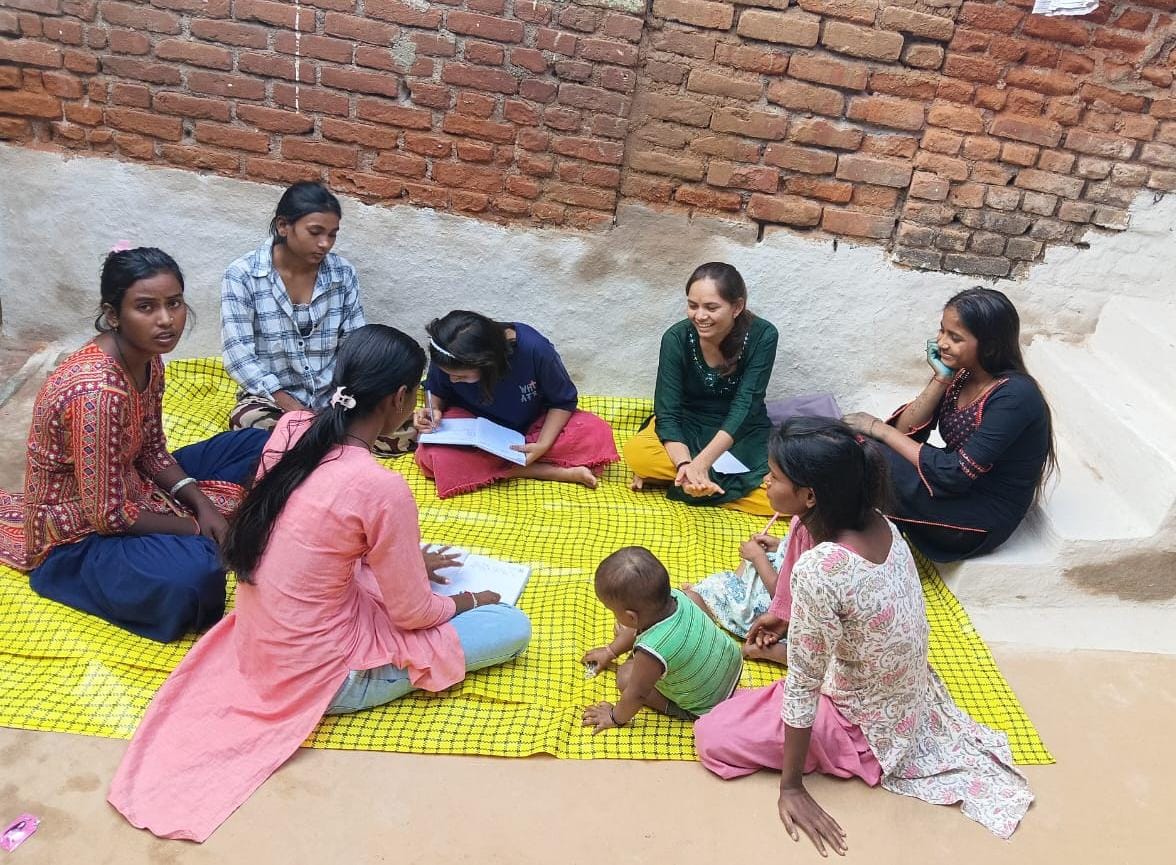
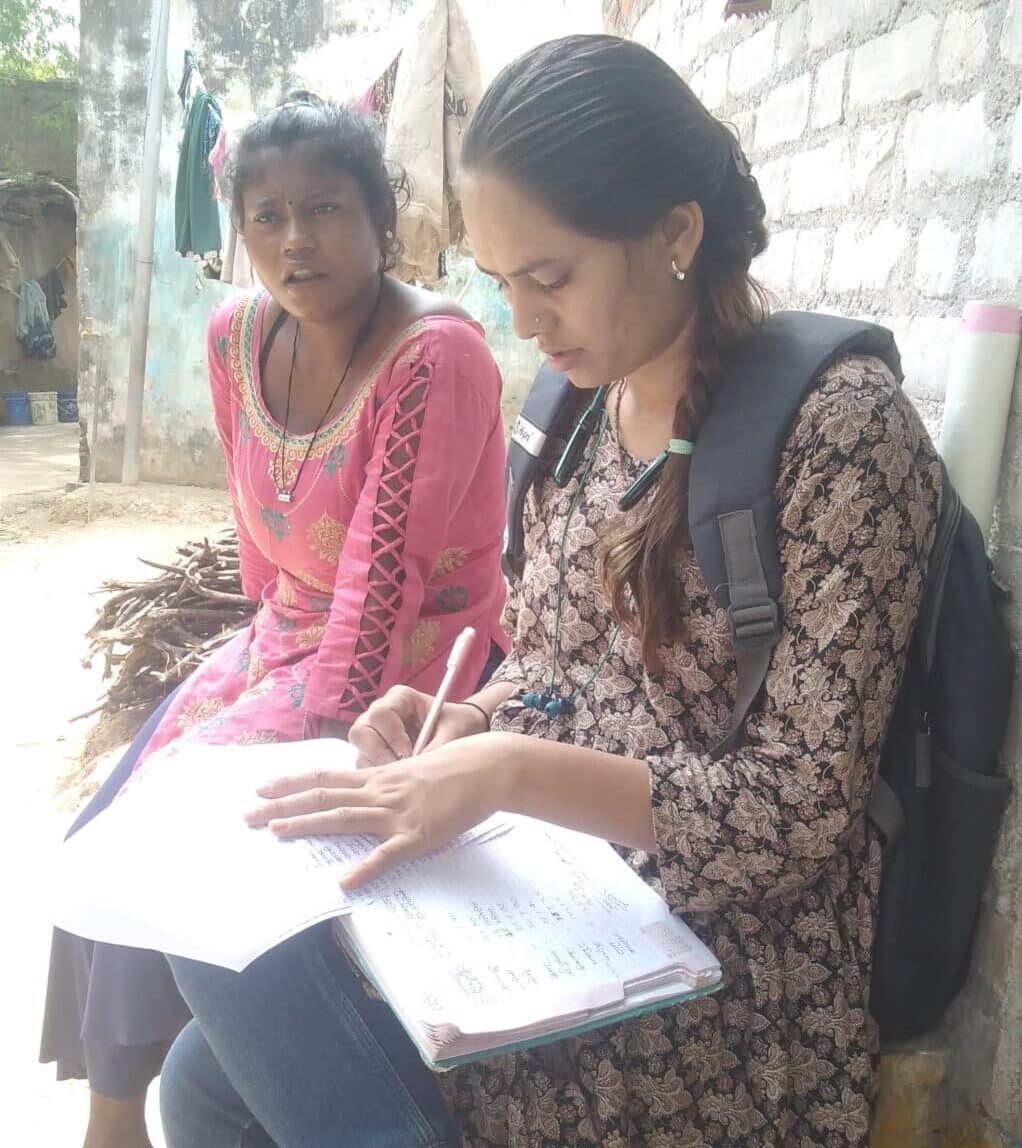
Lalita has been working as a volunteer for three years at a community-based organisation. During this time, she has become a strong advocate for the rights of adolescent girls, many a times in opposition to community norms and members. She has addressed issues related to adolescent health, gender-based discrimination, child marriage, menstruation, education, and connecting eligible individuals to government schemes. She is an active participant in the Chingaari capacity-building program, a collaboration between the International Center for Research on Women and WGH India.

From Awareness to Action

When I first heard about anemia five years ago, I didn’t realise the impact it could have on our health. I was unaware of what we were eating and drinking, and how it could be harming us.

That changed when a community-based organisation did an anemia test for me, and I learnt about what is beneficial and harmful to our bodies. The experience was eye-opening for me, I realized that I should spread this awareness to other women and girls too. That is why I decided to join the organisation and work on health and other gender-based issues.

My mother was associated with the organisation first. She wanted me to continue studying but to also get information about health and other related issues. I have been working as a volunteer with the organisation for three years now.

Over the years, I have realized the importance of raising awareness about health issues in the community. This is because in our homes, our health often doesn’t matter as much. When we fall sick, family members say, “You’ll get better on your own.” We try home remedies and wait for things to improve. But when it’s their sons or brothers, the care comes immediately. I see that difference every day, and this is why I feel I should work for others’ health.

I believe I have become more aware now. I can confidently tell other women and girls in the community about what is important with regards to their health and what is not. This in turn has a huge impact on the food we eat, the clothes we wear, and everything else in our lives.

“Even when it hurts, I keep doing my work”

I always speak up – for myself, for my colleagues, and for girls and women in the community. Even though I get a lot of support from people, being a young person who is a strong advocate for equality and justice is not easy.

Sometimes, my work is not appreciated in the community and met with criticism. Once someone called my mother and said, “Lalita works well but she also talks a lot.” People in the community also gossip about our work, how we dress, how we walk and how we speak. They even say, “These girls are not good. They keep roaming here and there, they speak in English and walk like foreigners.”

Sometimes I feel very bad on hearing these comments. On some days I feel I should leave everything and sit at home, maybe that will be better. On such days, when I don’t want to work, my father encourages me and tells me that it is important to work. I also think that I have been doing this for so many years. I am learning something. Even if they don’t give me any importance, I should do my work. I remind myself that the work I do is important and it matters.

The Everyday Acts of Gender-Transformative Leadership and Resistance

I believe that through my work and actions, I am a leader both in my organisation and my community.

My work in the community focuses on health and hygiene, conversations that are often taboo to speak about. We talk about cleanliness, to cover the drinking water and to keep the house tidy. We also talk about periods – how to use pads or cloth safely, how to keep yourself clean, and how to dispose of things properly. There are many myths in the community that if pads are disposed of in certain ways it will lead to infertility or it will lead to a sin. We work on shifting these beliefs that have been passed down through the generations.

Alongside awareness and education, I have also supported the safety and rights of girls around me. I learnt that a teacher misbehaved with several girls at a local school. I started gathering evidence by speaking to the girls. I also introduced sessions on ‘good and bad touch’. I feel sometimes as children we do not realise that we have been sexually harassed or abused. After this, a few girls came forward and told us about their experience. We now keep in contact with the girls regularly.

While I was committed to working with the girls and ensuring their safety, I was scared. I was afraid someone in the community might say, “Don’t you think you have started flying too high?” I was also scared that if the teacher finds out or if I confront him, he might hit me, and it will turn into a big fiasco. However, after helping the girls, I felt good.

I have also helped to stop the early marriages of a few girls. I have spoken to the parents of girls who want to study more and who want to work instead of getting married off. We encouraged the parents to let the girls continue their education and to get involved with our work.

Over time, I have also become a mentor to the young and new joinees in my organisation. I really enjoy explaining reporting procedures and the work to those who are still learning. Often they come to me and say, “Sister, I do not understand this, can you explain it to me?” I keep helping everyone or doing something or the other for them. I also encourage them to speak the truth and to stand up for what is right. I always tell them that it is okay to disagree with people and I teach them how to put their thoughts across to them.

Through my everyday actions, I have become a leader – not through authority, but through empathy and belief. I keep showing up for others and speaking for what is right, even when it is hard.

Words of Inspiration

I would like to tell young girls and women that they must focus on completing their education. As they learn more, they should reflect on what path they want to choose in the future, whether it is becoming a teacher, a doctor, working at a bank, or a social worker in their local community.

Strengthening Somaliland’s Health Workforce: The Leadership Journey of Amina Ibrahim

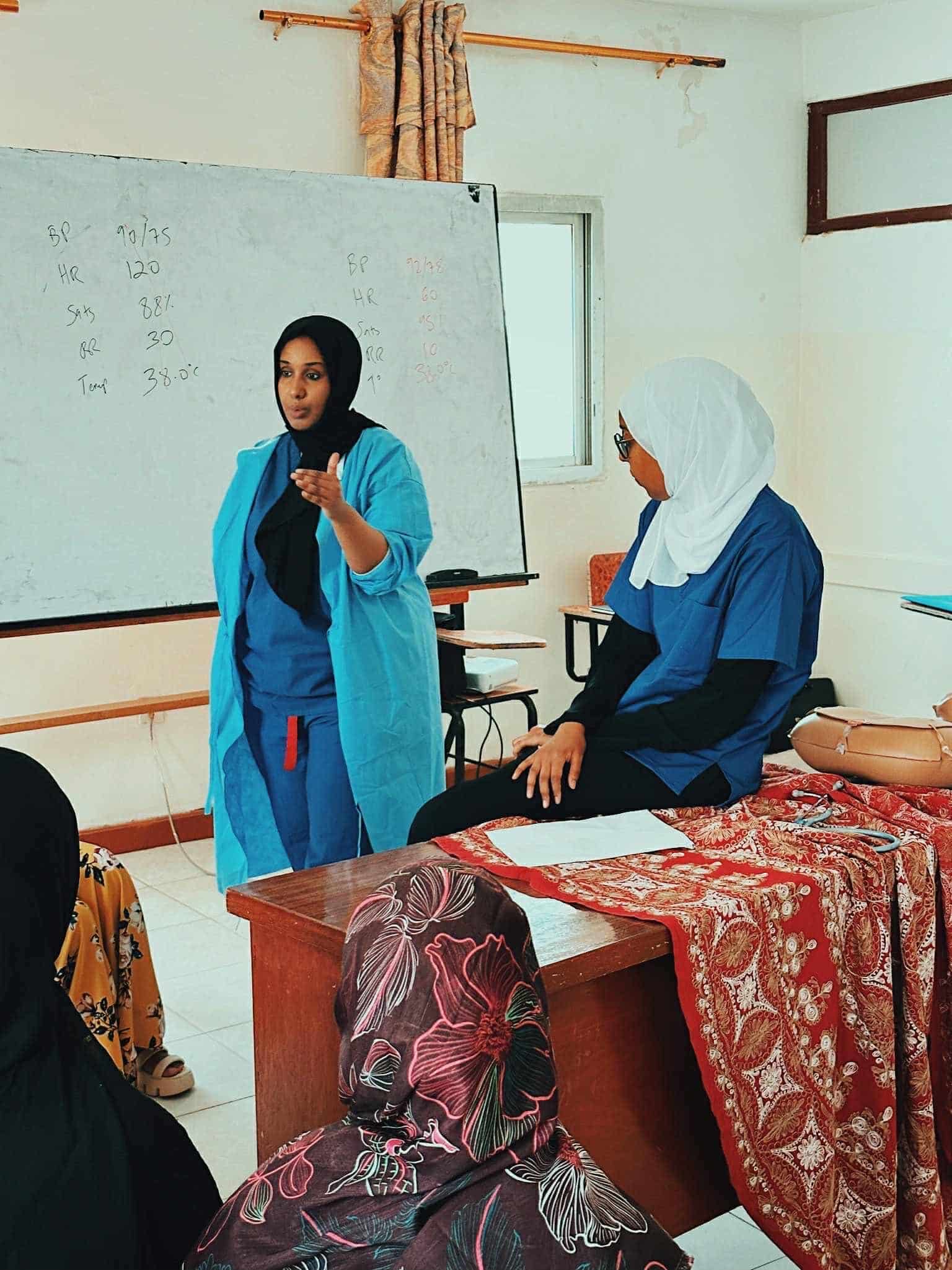
Amina Ibrahim MBE FRSA is the Founder of the Somali Health Exchange (SHE) and a Senior Anaesthesia Practitioner. Drawing on her NHS experience and Somali heritage, she leads diaspora-driven initiatives to strengthen Somaliland’s health workforce through training, collaboration, and compassion-driven leadership.

The Foundation: A Calling Born from Compassion

My journey into healthcare was not planned; it was born out of compassion and loss. Watching my father receive dignified and empathetic care during his final months left a deep mark on me. The professionalism and kindness of those healthcare workers ignited in me a lifelong commitment—to give others the same hope and comfort that my family experienced.

That moment transformed my path entirely. I had once imagined a career in communications or international relations, but standing by my father’s hospital bed redefined my purpose. It became clear that my life’s work would be to heal, to teach, and to build systems that could offer humanity alongside care.

The Catalyst: A Vision Rooted in Home and Heritage

Growing up in Sheffield to Somali parents who fled conflict, I learned early about resilience and the power of community. My parents’ unwavering connection to Somaliland instilled in me a profound sense of responsibility to give back to a country that had given us identity and purpose.

After graduating in 2008, I joined the NHS as an Operating Department Practitioner, a role that offered not just technical mastery but also human connection. Yet, I felt the pull of a larger purpose: how could I use this experience to uplift the system back home?

In 2018, that vision took shape. During a volunteer trip to Somaliland, I led a team of health professionals who shared the same dream—to strengthen the health system through training and capacity building. Out of that mission grew the Somali Health Exchange (SHE), a diaspora-led platform dedicated to transforming patient outcomes and workforce development.

Building Systems from the Diaspora: Turning Vision into Structure

The early years of SHE were filled with both promise and challenge. We began by addressing critical skill gaps, providing Basic Life Support (BLS) and Basic Surgical Skills training. Within eight years, SHE had trained over 5,000 individuals in BLS and more than 230 health professionals in surgical skills, earning recognition from the Royal College of Surgeons of England through a 2024–2025 fellowship.

What started as a small volunteer effort evolved into one of the largest diaspora-based knowledge networks serving Somaliland’s health sector. We built bridges between global expertise and local need, connecting healthcare professionals from across continents.

During the COVID-19 pandemic, SHE became a trusted national task force, mobilising experts from the diaspora and the region to strengthen Somaliland’s emergency response. We proved that when global solidarity meets local leadership, real systems change can happen.

Navigating Challenges with Purpose and Innovation

The journey was not without adversity. The East African landscape, both literal and institutional, was harsh and unpredictable. Roads were long, resources scarce, and expectations high. But every challenge taught us adaptability and collaboration.

We learned that transformation is not achieved through quick interventions, but through steady, evidence-based work rooted in trust and partnership. One of our symbolic initiatives—planting 900 trees across communities—reminded us that growth takes time, care, and persistence.

Our strength has always been collective. SHE’s success is not defined by individual achievement, but by teamwork, mutual respect, and shared purpose. Together, we have shown that even in challenging environments, innovation and empathy can coexist.

Lessons in Leadership: From Service to Sustainability

Being a diaspora-led organization comes with both privilege and responsibility. It requires humility—to listen, to learn, and to align with those we serve. We discovered early on that meaningful change begins with evidence, not assumptions; with trust, not visibility.

Our work has also inspired more women to lead in health, proving that representation is not symbolic—it is transformative. In 2020, I was deeply honoured to receive an MBE from the late Queen Elizabeth II for services to healthcare and for founding SHE. But this recognition was not mine alone—it belonged to every volunteer, trainer, and community partner who helped shape our journey.

Continuing the Journey: Compassion as a Compass

From my father’s hospital room to the training halls of Somaliland, every step of my journey has reaffirmed one truth: compassion is the foundation of enduring change.

Through Somali Health Exchange, I have witnessed how empathy, when paired with persistence and structure, can rebuild systems, bridge worlds, and restore dignity. Our story is one of connection—between generations, between continents, and between the head and the heart of healthcare.

Our mission continues: to equip, empower, and elevate Somaliland’s health workforce—one training, one partnership, one act of compassion at a time.

Choosing Compassion Over Convention: My Work in Palliative Care

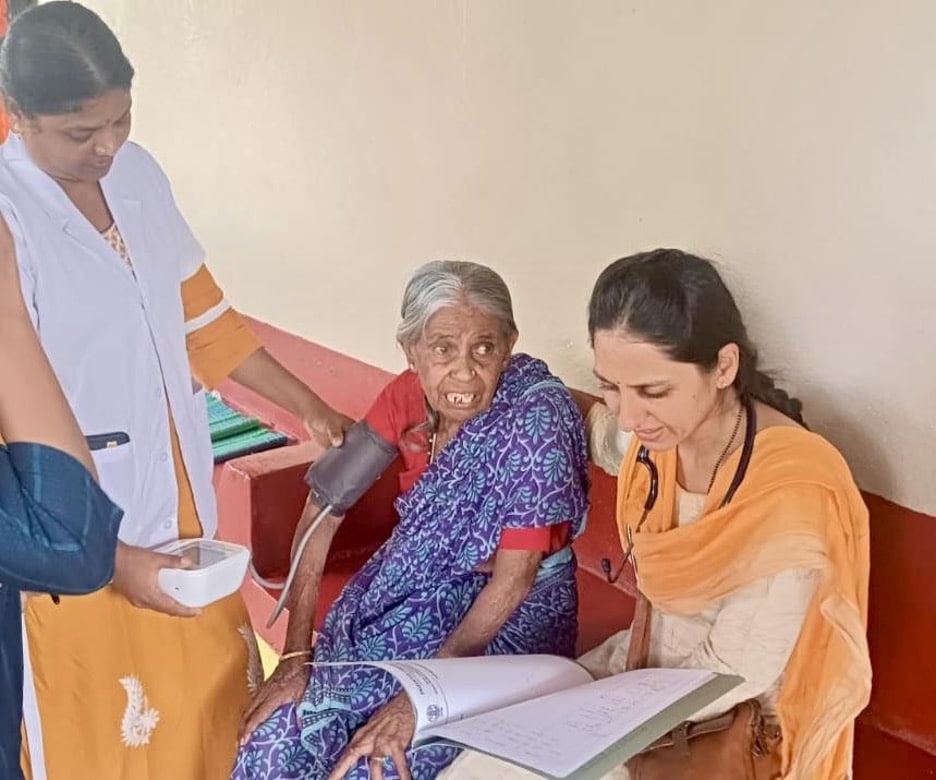
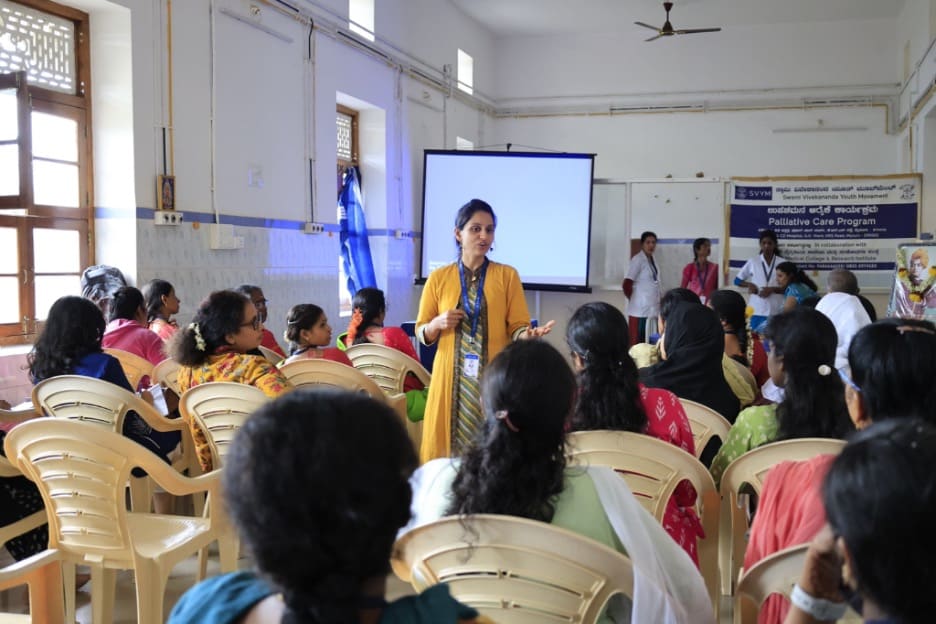
Vibha is a doctor with a postgraduate specialization in Community Medicine. She focuses on both institution-based and community-based palliative care in Mysuru, India. She leads palliative care programs that provide compassionate and comprehensive care for individuals suffering from life-limiting illnesses. Vibha also trains young healthcare professionals and conducts community-based training initiatives such as “Har Ghar Jeev Sevak” (A Life Companion in Every Home) to strengthen home-based care. She has presented her research at international palliative care conferences and is an active participant in Chingaari, a capacity-building program jointly organized by the International Center for Research on Women and Women in Global Health (WGH) India.

Forging My Own Path: Providing Healthcare Amidst Systemic Inequalities

I worked at a private corporate hospital where patients were segregated based on their economic background. There were special wards catering to international patients coming for medical tourism, semi-special wards for middle- and upper-middle-class patients, and general wards for those admitted through government schemes or medical camps, often poorer and marginalized individuals.

As a resident doctor, we were instructed to prioritize care for patients in the semi-special and special wards, often overlooking those in the general wards. This did not feel ethically right to me, and that was the moment I knew the corporate sector wasn’t where I belonged. This experience motivated me to choose public health as my specialization. I may now work in a resource-limited setting, but I remain true to my values and purpose.

After my graduation, I began my journey with a development organization named Swami Vivekananda Youth Movement (SVYM), which is built on strong values and works with the vision of building a new civil society in India through its grassroots to policy-level action in health, education, socio-economic empowerment, and training and research sectors since 1984. I joined the palliative care program at SVYM, and while working closely with patients and families facing chronic and serious illnesses, I realized that this was the right place for me. Seeing the hardships families go through and their resilience in facing them keeps me grounded and motivates me to do my part to ease their suffering.

Many times, we come across gender-related issues within families. Most often, the primary caregiver is a woman. We have seen that when a man is on his deathbed, his wife provides the best possible care, yet even in that situation, she often faces verbal or physical abuse, and her efforts go unappreciated, without even a word of gratitude. Sometimes this bias is subtle, and sometimes it is very evident. These gender-based issues are especially common among the elderly. At times, families may not even bring a woman to the hospital for treatment, and there is a clear difference in the way male and female family members are cared for. I often wonder how we can begin to address these issues, especially within their homes and communities.

Holding Space, Earning Ground

While my journey as a medical professional has had its challenges, I have also been fortunate to have support systems along the way. In India, getting admission into postgraduate programs is difficult due to the limited capacity of public institutions. Nonetheless, my student days were very enriching. We had a student welfare cell, freedom to express ourselves, and equal opportunities were given to both men and women.However, the realities of working at the grassroots level are quite different. When I started as a young doctor, my abilities were often questioned because of my gender. Many people did not believe I could take responsibility. As a female doctor, earning respect has not been easy. People often assume I am a nurse, and I had to prove myself repeatedly, not just through my work but by constantly asserting my identity and competence.

I also find myself constantly thinking about how to grow in my profession—building technical skills and continuing to learn. Balancing family life and professional responsibilities is another ongoing challenge. At home, I sometimes hear that I don’t give enough time to my family, while at work I feel guilty for not being there on time.

Palliative care is an emerging field in India, and I am passionate about contributing to its growth by making it accessible and affordable for all who need it. I hope to draw on my experiences to engage meaningfully in both academic work and patient care.

My Words of Advice

If my story resonates with you, I would like to share a few words of advice: Stay true to your values, even when the path is challenging. Let empathy guide your work, and remember that every effort, no matter how small, can make a meaningful difference in someone’s life. Be patient with yourself, keep learning, and embrace the journey with resilience and compassion.

Kripa’s Work Proves Compassion Can Change Communities

Kripa is a trained Auxiliary Nurse Midwife (ANM) and she has been working in the fields of medicine and social work for several decades. During her illustrious career, Kripa has worked in NGOs as a pharmacist, team leader of nurses, a nurse, and as a grassroots healthcare professional, an educator, and a social worker. She is an active participant in the Chingaari capacity-building program, a collaboration between the International Center for Research on Women and WGH India.

A Journey from Inspiration to Purpose

I was inspired by my elder sister and mother to work in the development sector. My family has gone through a lot of difficulties, and there was a time when our household was in a bad shape. My sister is a trained nurse and she studied and worked hard to support the family. When I was growing up, I would see her getting ready to go to work with nice clothes and a handbag. I was inspired seeing her and thought I should become a doctor.

However, getting a medical degree requires a lot of studying and it was expensive. Given the financial situation of our household, I used to think, “Maybe I can’t become a doctor, but I can be a nurse.” While I had to drop out of my education for a while, I persevered and completed the ANM training. My sister played a huge part in my journey – she constantly encouraged me to complete my school certifications, to focus on my practical training, and to pursue my dreams. I was also fueled by the desire to support my mother. At that time, my sister was unmarried but I always wondered what would happen once she got married and moved to her in-laws’ place.

Providing Health Where It Is Needed the Most

After I completed my education and the ANM training, I had a choice to make – either work in a hospital or to work in an NGO. I thought, “If I were to work in the hospital, it would involve me going to and coming back from the hospital daily. But if I go out and work in the field, where doctors are usually not able to reach, where there is no hospital facility, where there are no Aanganwadis (rural child and maternal care centers), where there are no Accredited Social Health Activists … I’ll go and work there with the doctors.”

Consequently, I decided to work for the same NGO where my mother worked. The NGO ran a school for those with hearing and speech impairments alongside facilities for knitting, vocational training, a hospital, and outreach programmes. It gave me the opportunity to be trained by and work alongside highly qualified doctors in the field.

My journey has been driven by a purpose to serve the poor. My current role is also at an NGO, working with children from marginalised communities. We take children into the NGO from the age of five and we support them till they can stand on their own feet – from education till they start working. I look at the children’s nutrition and health concerns. I also do community and home visits through which I conduct capacity-building sessions and awareness campaigns with families, especially the mothers of our NGO children.

The organisation provides me with a lot of support to grow as a professional. It provided me the opportunity to learn computers and to work independently. I also get immense satisfaction working with the children who are part of the NGO. While at my previous organisation I saw instances of discrimination between senior and junior professionals, I have never been discriminated against here. I believe that my work is valued and recognised.

Building a Community Through Care

The impact of my work is the great bond that I have created with the mothers through community and home visits. If any child has sudden fever or loose motion or anything of that sort, I am available on call 24×7. They know when to call and when to message – if it’s late at night, they drop a message, otherwise they call immediately. Then they say, “This is happening to my daughter, what shall I do?” or any problem which occurs, they share. So I am very proud to be a woman and to be working with them.

As long as I work, I would like to work in this kind of an NGO only. As long as I work, I will only serve people. I have pledged to work in NGOs only. I like to work in the field, listening to people, telling them my experiences, giving a good message.

Right now, I would say making people more aware about education is something I truly like. At my current NGO, we spoke to parents a lot about education so that their children can do something. We say, “If your child studies, learns something, takes on trainings, they will earn and be able to buy their own land.” I have so much experience working with community members and I would like to continue doing so as long as possible.

Words of Inspiration

I would like to advise parents to encourage their children to study so they can become independent and stand on their own feet. In particular, I hope that no young girl is forced to get married young, before they are ready to and willing to do so. Girls should get the choice of when they want to get married and this should only be after they have achieved something and become someone they wish to be.

Breakthrough Change: A Journey of Healthcare Leadership

Dr. Somia Iqtidar is a physician and public health leader with 20+ years in internal medicine, infectious diseases, and healthcare systems strengthening. Her journey transforms personal loss into a blueprint for systemic reform, forging protocols and building pathways for women to lead with authority and purpose.

The Foundation: A Promise Born from Loss

My story is one of turning personal pain and professional challenges into a force for systemic change. It begins with a foundational belief, formed in childhood, that I was meant to be both a healer and a teacher. This belief was tested when my father passed away suddenly during my medical studies. His last words, an expression of unwavering faith in my future, became the bedrock of my resilience. Little did I know that this early lesson in perseverance would prepare me for the battles ahead—battles not just against disease, but against systemic failures that cost lives.

The Catalyst: When Systems Collapse

This resilience was called upon during the 2011 Dengue outbreak in Lahore. As a Senior Registrar at Mayo Hospital, I stood on the front lines of a collapsing system, personally examining over a thousand suspected cases in single 12-hour shifts. The hospitals were overflowing, resources stretched beyond capacity, and panic was constant. The devastating cost of inaction became undeniable as patient after patient arrived, and we struggled without standardized protocols or adequate training.

The defining moment came with the loss of a 21-year-old young man, his parents’ only son, to a virus we struggled to understand. In that moment of profound failure, my role transformed—it was no longer enough to be a clinician managing symptoms; I was compelled to become an architect of the system we desperately needed. I was inspired by a fierce determination to forge order from chaos and to ensure our health system would never again be so vulnerable.

Building Systems from Ground Zero

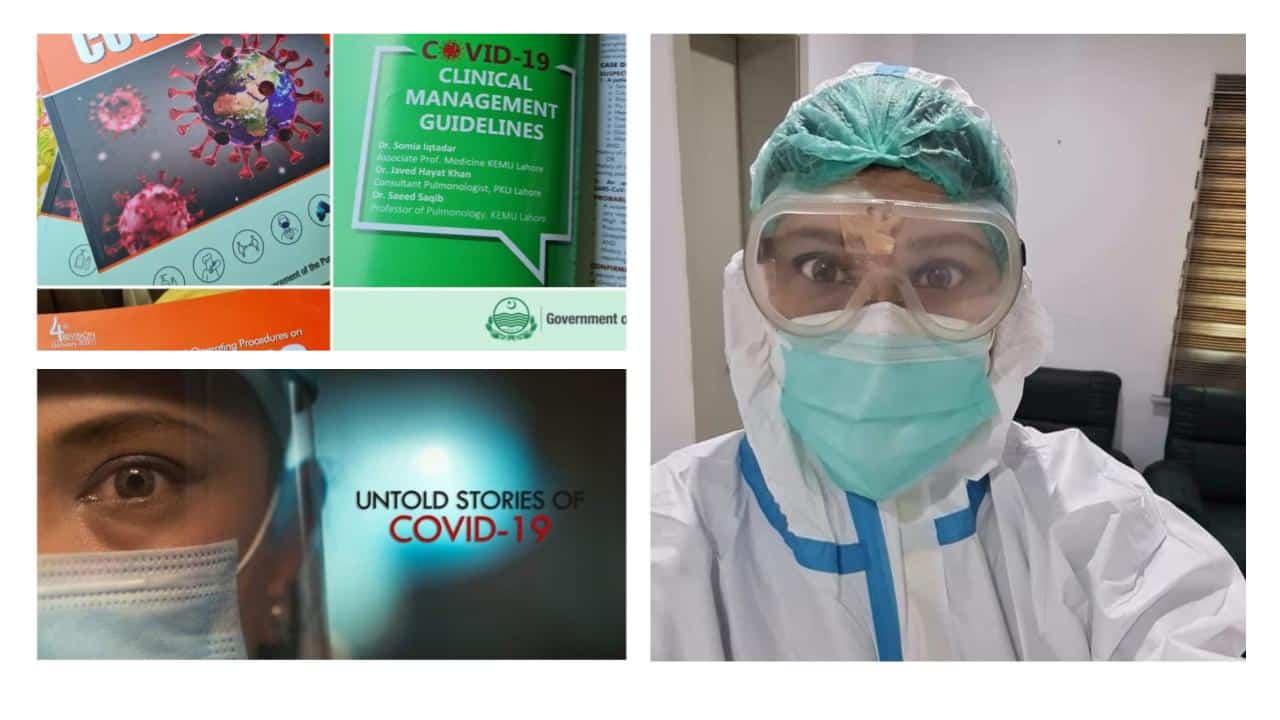
In the absence of national guidelines and standardized training, I took the initiative to become a WHO Master Trainer, making myself a conduit for knowledge. I sought international training and then relentlessly disseminated it to build national capacity from the ground up. I trained thousands across the Asia-Pacific and then institutionalized that knowledge by chairing the Dengue Expert Advisory Group and authoring Pakistan’s first national dengue guidelines. This provided a clear protocol for thousands of doctors, directly improving patient outcomes and building a resilient framework that was later adapted for the COVID-19 response, for which I also authored provincial guidelines. This model of ‘crisis to protocol’ proved transformative at multiple levels, creating systemic change that extended far beyond the initial emergency.

Creating Communities of Excellence

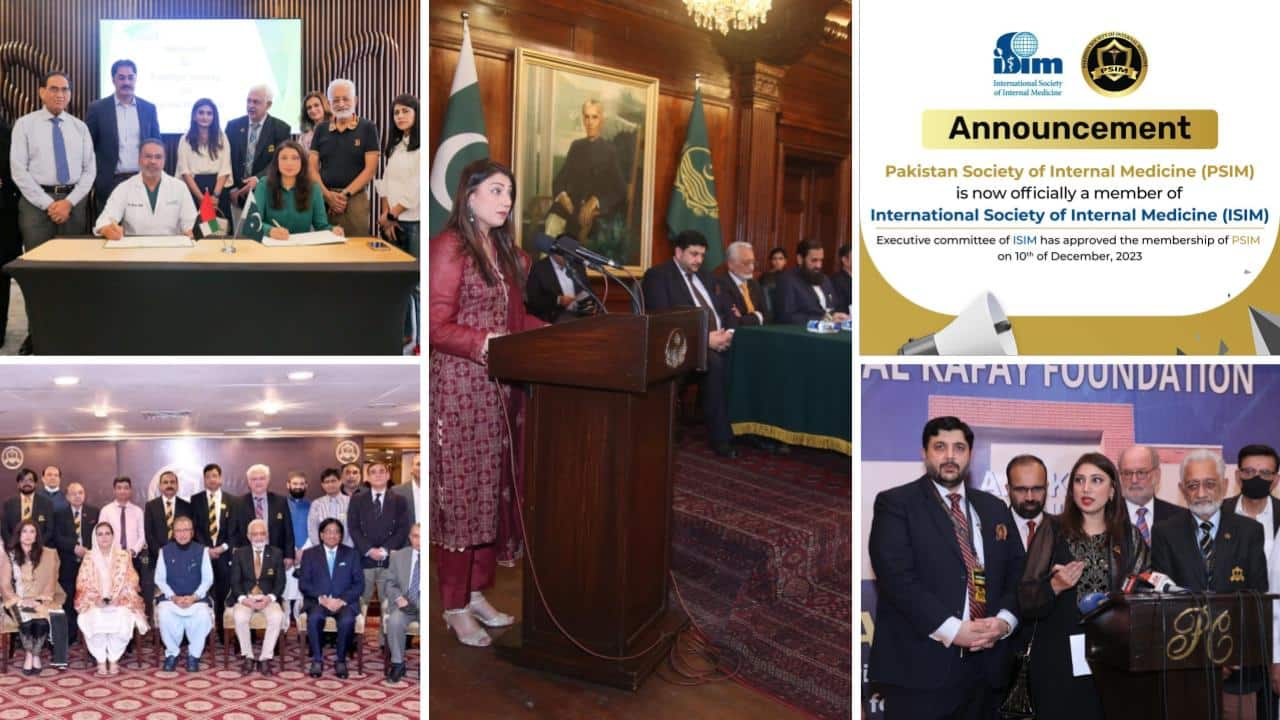
Parallel to this, I recognized the lack of a collaborative platform for internists and the systemic barriers facing women physicians in Pakistan. What began as a “Facebook status of a dream” grew into the Pakistan Society of Internal Medicine (PSIM), now an internationally recognized body fostering education and innovation. This initiative created a vital platform for collaboration and education for internists across the country, filling a void that had long hindered professional development.

Furthermore, I partnered with the Royal College of Physicians (RCP) to pilot their Global Women Leaders Program in Pakistan, directly mentoring and empowering hundreds of female physicians, creating a sustainable pipeline for women in healthcare leadership. I leveraged this international opportunity not for personal gain, but to create a local legacy that would outlive my direct involvement.

Navigating Barriers with Strategic Vision

The journey was fraught with obstacles, both professional and strategic. Entering the male-dominated field of Internal Medicine, I consistently needed to prove my expertise and authority as a young woman, where male counterparts were often granted automatic legitimacy. Perhaps the most complex challenge was navigating institutional inertia. Founding an organization like PSIM or integrating a global program like the RCP Women’s Leadership initiative required me to shift from individual expert to coalition-builder. The obstacle was no longer a lack of knowledge, but a lack of consensus and infrastructure. I overcame this by focusing on creating tangible value through pilot projects that turned skeptics into stakeholders and built the momentum needed for large-scale change.

Lessons in Leadership: Empowerment Over Achievement

This journey has led to national recognition, including the Health Icon Award, Health Hero Award, Governor’s Award, and the President’s Award for Excellence. But the most significant impact is knowing these initiatives continue to save lives and shape careers long after my direct involvement.

Through this experience, I havelearned essential truths about leadership. First, embrace crisis as a catalyst—some of the most significant systemic changes are born from the toughest challenges. Second, leadership is about empowerment, not just personal achievement. The true success of a leader is measured by how many others they lift. Third, your unique perspective is your strength. Being a woman in a male-dominated field, or a Pakistani doctor on the global stage, is not a weakness—it allows you to see gaps and solutions that others might miss.

Finally, never underestimate the power of a well-told story. Sharing my journey, from the pain of loss to the triumphs of policy change, has allowed me to connect, inspire, and advocate far more effectively than data alone ever could. My story demonstrates that true leadership means addressing voids, building systems where none exist, and ensuring your success creates a path for others to follow.

A Journey from Silence to Advocacy

Prudence Enema is a health advocate and communicator specializing in Sexual and Reproductive Health Rights (SRHR), governance, leadership, and decision-making. Her work embodies the resilience and determination to turn personal loss into advocacy, proving that maternal health is not merely a medical issue — it is a human rights issue demanding voice and action.

The Day Fear Lost Its Voice

For years, I let fear hold the microphone. I was the quiet girl — the one who got bullied, the one who never spoke up, the one whose voice shook even when her thoughts were strong. I grew up believing silence was safer than expression. But life had other plans for me.

My journey into advocacy didn’t begin with passion. It began with loss.

As a child, I lost a maternal figure — my beloved primary school principal — to childbirth complications. She was the mother I didn’t have, a woman who poured into me when I had very little. Her death shook me. I didn’t understand all the medical reasons at the time, but I understood what it meant to be robbed by something that felt preventable.

Years later, I faced another loss. Another loved one gone because of poor access to healthcare. This time the grief felt familiar, but my perspective was sharper. I realized it wasn’t just fate. It was failure — of systems, of leadership, of priorities. That pain became my push.

At first, I only thought about healthcare access. Gender equity wasn’t yet my lens. But the more I learned, the clearer it became that gender runs through everything — from who gets to make choices about their body, to who accesses information, to who survives childbirth. And that’s when it clicked: my voice mattered, and it could no longer stay quiet.

From Silence to Speech

Even with a background in communications, stepping into health advocacy came with imposter syndrome. I wasn’t a doctor. I hadn’t had children. I didn’t feel “qualified.” Add to that being young and female in rooms where credibility is measured by age or title — and you get the picture.

But I pressed on. I applied for fellowships. I showed up. I listened. I learned. And slowly, I began to speak. To write. To create.

My articles — especially on people living with disabilities — caught attention, sparking responses from national stakeholders. My poetry, performed at events like the Celebrating Womanhood Art Gala, resonated deeply with women who approached me afterward saying, “You spoke for me.” For a girl who once feared her own voice, that meant everything.

One of my proudest moments was watching years of effort — volunteering, working while studying, pushing through rejection and fear — culminate in an interview for a dream job. Landing it felt like the universe was whispering back, “You’re exactly where you need to be.”

But the road was not smooth. Funding delays stalled my graduate education. I doubted myself often. For a long time, it felt easier to create for others than to create for myself. But then came a fellowship that changed everything. It pushed me to take myself seriously — not just as someone supporting others, but as a leader with a vision.

Writing as Resistance

Today, I work closely with young girls, helping them find the courage to use their voices earlier than I did. I also write — not to impress, but to impact.

One of my most meaningful pieces told the story of Fatima, a young mother from northern Nigeria who died from postpartum hemorrhage after her husband forced her to remove a contraceptive implant. Her story was not fiction. It was real. It was painful. And it was a call to action.

That piece became more than words on paper. It became a vessel — not just of grief, but of truth. It reminded us that maternal health is not merely a medical issue. It is a human rights issue. And it reinforced what I believe with all my heart: women must lead the charge to protect women. Always.

My sister has been my anchor through this journey — holding my hand in the quiet seasons and cheering me in the loud ones. She reminds me that starting afraid is still starting. And each time I think of giving up, I hear her voice: “You’ve come too far to shrink now.”

If I could tell my younger self anything, it would be this: Don’t wait for permission. Don’t water down your truth. Call a spade a spade — even if your voice shakes. Because when you do it afraid, one day you’ll wake up and realize fear no longer owns your voice. And when that day comes, you become unstoppable.

From a Struggling SARC to Leading Justice for Survivors

Dr. Amina Mohammad Hassan is a dedicated Medical Director and General Practitioner from the WGH Nigeria Chapter. She advocates for SRHR, GBV prevention, and women’s leadership in health governance. Her story demonstrates the resilience and leadership required to break cultural barriers and build healthcare systems rooted in dignity, justice, and hope.

A Silent Clinic, A Loud Truth

In 2019, when the Sexual Assault Referral Centre (SARC) opened its doors in Zamfara State, I had no idea how deeply the work would shape me, or how much I would be called to shape it. As one of only two doctors assigned to the center, I quickly realized that this would not be just a job — it would become a calling.

The center was designed to be a safe space for survivors of sexual and gender-based violence (SGBV): a place where women and girls could tell their truth, find medical and emotional support, and begin the journey toward healing. But as the days passed, silence hung heavy over the clinic. Few came forward. In a society where speaking up about sexual assault is often met with accusation, shame, or outright hostility, survivors stayed away.

Those who did summon the courage to step through our doors were often met with another kind of betrayal — systemic failure. Medications were missing. Consumables ran out. Funding was inconsistent. We could not provide the level of care survivors desperately needed.

The thought of failing them was unbearable. My heart ached each time I saw the gap between what was promised and what was possible. A place of hope was becoming a symbol of scarcity, and I could not look away. I knew something had to shift. And someone — however young, however unprepared — had to make a bold move.

Speaking for the Voiceless

Driven by conviction and bound by the Hippocratic Oath, I took a risk many warned me against. I prepared a detailed presentation on the state of the center — complete with data, real cases, and evidence of systemic gaps — and requested a meeting with the Permanent Secretary of the State Ministry of Health.

I was a young woman. A junior doctor. An unlikely challenger of an entrenched system. But doubt had no place when the stakes were women’s lives. That day, I chose to speak not for myself, but for every woman silenced by stigma and every survivor turned away by scarcity.

That presentation became a turning point. The Ministry responded with urgency. Drug supplies began to flow consistently. Consumables were replenished. Suddenly, the center was alive again, able to deliver the care it was always meant to provide. And once resources aligned with intention, survivors came. The silence gave way to stories, and statistics finally revealed the weight of the problem. The issue of sexual and gender-based violence could no longer hide in obscurity.

Our evidence laid the groundwork for advocacy, and soon after, Zamfara State passed the Violence Against Persons Prohibition (VAPP) Law. For the first time, survivors had not only a clinic but also a legal framework to protect their rights and demand justice. I was invited to serve as a state facilitator on SGBV, leading policy discussions, training professionals, and engaging communities in difficult but necessary conversations. From pleading for bandages to shaping laws — it was a full-circle moment.

Breaking Barriers, Building Systems

The journey did not end with a law or a restocked clinic. The current administration recognized the significance of our work and decided to invest further. A new, fully equipped, standard SARC is now under construction — a physical symbol of what once felt impossible.

In another historic shift, I was appointed the first female Medical Director of a General Hospital in Zamfara State. This appointment is not just a title. It is a responsibility, a call to serve on a broader scale, and a platform to strengthen health systems, mentor young professionals, and deepen advocacy for survivors.

Yet the path has been far from smooth. There were days when silence from policymakers felt deafening. There were moments when cultural barriers and gender bias seemed immovable. There were times when I questioned if change was truly possible. But each survivor reminded me why I could not — and should not — stop. Every girl who walked through our doors and found the courage to speak reinforced my own voice.

This journey has shown me that transformation rarely comes in a single, sweeping gesture. Change begins in quiet moments: an empty clinic that sparks a question, a presentation delivered against all odds, a conversation that shifts a policy. What matters is the courage to step into those moments, even when you feel unprepared.

I am proud to have walked through that door — and prouder still to hold it open for others.

From Tragedy to Transformation: Building MedforHer to Restore Women’s Right to Care

Fatima Gidado is a community health worker from Nigeria focused on health and women’s economic empowerment. Her story reflects the resilience and conviction that turned personal tragedy into a movement for dignity in healthcare, inspiring action and building pathways for women to access the care and justice they deserve.

A Call That Changed Everything

One fateful evening in 2021, around 5:00pm, I received a call that altered my life’s course forever. My mother had been involved in a ghastly accident on the outskirts of Kaduna, just an hour from home. She was losing a frightening amount of blood, and those around her were frozen in fear, unable to act.

By sheer grace, a kind stranger who was passing by stepped in and rushed her to Kano. Because we came from a relatively privileged background, we were able to reach out and secure her a spot at the Aminu Kano Teaching Hospital (AKTH). We arrived around 10pm, and despite calling the Chief Medical Director ahead of time, there was no bed available. My mother was laid on the floor.

At that moment, I saw more than my mother’s pain. I saw a broken system. The nurses tried, but the conditions were inhumane. I wouldn’t wish the care she received on my worst enemy. I looked around and saw others, some critically ill, waiting and struggling just to get the attention of overwhelmed health workers.

We wanted to move her to a more comfortable facility, but her condition was so fragile that she had to stay put. I remember asking myself over and over: If this is the experience of someone with connections and resources, what about those without? What becomes of families who can’t make that phone call? Who can’t afford a transfer or a test?

Confronting a Broken System

Two days later, we moved her to another hospital. And then, the unimaginable happened—health workers went on strike. Patients were told to leave. Again, I asked: To where? She needed blood for surgery, and when we went to get blood, we were hit by another wall—screening a unit cost nearly ₦40,000 (USD 27). How many Nigerians can afford that? That moment broke something in me. But it also lit a fire.

I joined a charity organization that focused on supporting the vulnerable and organizing blood drives, gathering volunteers to donate blood for distribution across hospitals. Our first drive received incredible support. Media houses picked up the story, and soon we had not only donors but return donors, people who show up year after year to give life, quite literally.

Every time a person donates, every time we ease the burden of one family, I remember why I began. But it wasn’t easy. On several occasions, acquaintances and friends told me not to bother. They said I was too young, that I was wasting my time. “You’re trying to do what older men and women haven’t succeeded at.” Others warned me that being “too vocal” and “too visible” might affect my chances of attracting a suitor. “Men don’t marry girls who lead protests or run foundations,” one said.

Still, I pressed on. Because I had seen what it looked like when a system collapses. And I couldn’t unsee it.

From Pain to Purpose: Founding MedforHer

That journey led me to something bigger than myself: MedforHer, a foundation I founded to support women’s health, especially in underserved communities. We focus on access, dignity, and the right to care. From blood drives to community outreach to advocacy for better maternal care, MedforHer is my promise to every woman who ever sat on a hospital floor, waiting.

This is not charity. This is justice. This is personal.

I will remain committed to this cause because my mother survived, but many don’t. Because silence has never fixed a system. And because I believe every woman—rich or poor, old or young—deserves to be seen, heard, and healed.

Leading as a Woman in a “Male” Profession

Dr. Alia Broalet is an associate professor, neurosurgeon, and anatomist based in Côte d’Ivoire. As head of department and former head of pediatrics at Yopougon University Hospital, she champions maternal and child health while breaking gender barriers in surgery. Her work addresses nervous system malformations and inspires women to enter neurosurgery.

Breaking Barriers in Neurosurgery

I work in a so-called “male” profession where women are naturally underrepresented. I needed to motivate women to choose this specialty. As a neurosurgeon interested in pediatrics, I became fascinated by malformations of the nervous system—conditions whose consequences for the child, the mother, and the family are catastrophic.

The turning point came in 2008. I am a neurosurgeon, anatomist, and research professor, also head of department. That year, I was put in charge of the pediatrics unit at the Yopougon University Hospital. From then on, I understood that there was something to be done, and I began

I Couldn’t Look Away from Their Suffering

Confronted with the despair and suffering of mothers upon receiving their diagnosis, I established an association to raise awareness and understanding of these diseases and to help with their management. Since then, I have conducted numerous awareness and screening campaigns, training of health workers, humanitarian surgery for hydrocephalus and spina bifida, and advocacy with the authorities.

These various activities have undoubtedly had an impact on a personal, community, social, political, and health level. The challenges encountered were a lack of financial resources, cultural barriers, taboos surrounding these diseases, and post-operative complications. So we appealed to donors, established partnerships, involved traditional leaders and traditional practitioners in raising awareness, and improved aseptic conditions.

I used myself as a role model to impact and raise awareness among women

My involvement in the pursuit of gender equality came spontaneously from my workplace, where women are rare. I used myself as a role model to impact and raise awareness among women. I began bringing together women on platforms: surgeons, neurosurgeons, professors, and researchers. I conducted awareness campaigns in middle and high schools in Bouaké and Abidjan. I gave lectures at activities for young women, pupils, and students. I organized sessions dedicated to women at the Ivorian Neurosurgery Society conferences, with roundtable discussions on topics related to gender equality.

The impact was immediate, with a considerable increase in the number of women enrolled in the postgraduate diploma (DES) in neurosurgery. I didn’t really encounter any challenges here. Generally, I had the support of the populations concerned.

The work has had transformative impact on several levels: on myself—personal growth, sense of accomplishment, skills development, better understanding of the issues. On the community—improvement of gender disparity, better knowledge of nervous system malformations and ways to prevent them. On the social level—change in mentalities, increased solidarity among women and families. Political impact through advocacy on the healthcare system, increase in the number of female surgeons, strengthened prevention, access to specialized neurosurgery care, and training.

I was able to drive lasting change. The obstacles I faced—cultural reluctance, gender stereotypes, underrepresentation of women, gender-insensitive health policies—became fuel for progress. The lesson is simple: be constantly involved in what you do. Impact your environment when you hold a leadership position.

From Working Class To Medical Doctor

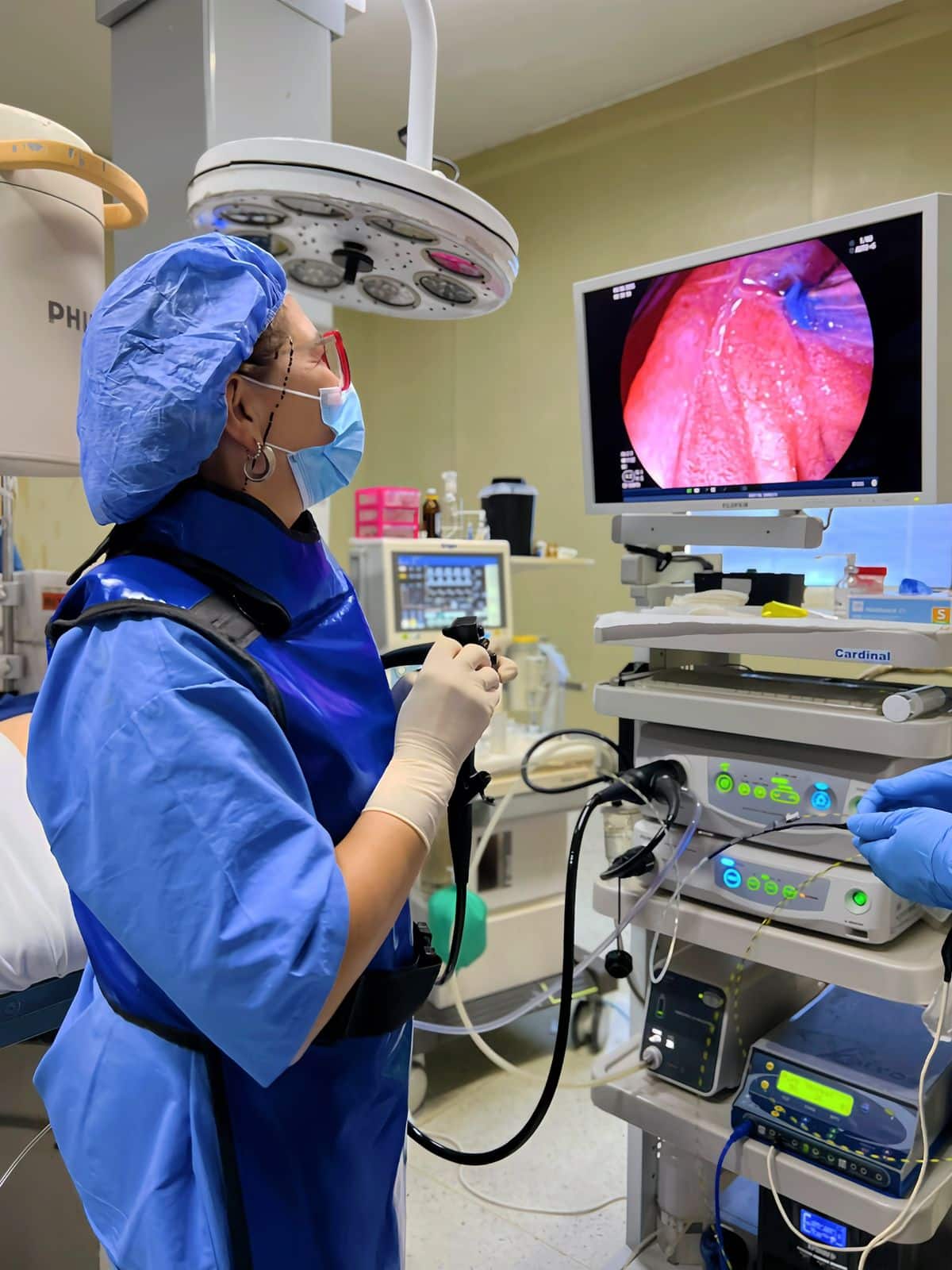
Dr. Marcela González is a medical doctor and Executive Hospital Director with a specialization in gastroenterology and digestive endoscopy. She is passionate about advancing gender equity in healthcare and medical leadership.

How I Became a Surgeon When No One in My Family Had Even Finished High School

I don’t think I have an extraordinary story, just a life guided by the desire to fulfill dreams. I was born into a working-class family with no educational background: no one had even finished high school. Even so, I grew up surrounded by love and with the unconditional support of my family to achieve my dream of going to university.

I had the privilege of being born in Argentina, where public education at all levels made possible what seemed unattainable. I always worked to support my studies, and once I graduated, I entered the medical residency system. I chose general surgery, without any connections or sponsors, and that path was as challenging as it was transformative.

I went through situations of constant stress, discrimination, microaggressions, mansplaining, and the famous “glass ceiling.” Added to that were very difficult personal experiences: an early divorce, family violence, raising my daughters almost single-handedly, cancer, and both personal and national economic crises.

And yet, giving up was never an option.

Today, I can say that although the path is not easy, it is always worth it. If I could do it, I am sure that many others can too.

How Our Family’s Crisis Sparked a Movement

Malayka Gormally is Co-founder and COO of Concussion Alliance and an active member of the Women in Global Health (WGH) Seattle Chapter. She is a dedicated advocate specializing in concussions, repetitive head impacts, and neurodegeneration, working to improve resources and awareness for patients, families, and healthcare providers.
For more information on Concussion Alliance click here.

Discovering the Silent Epidemic

My son, Conor, suffered his fourth concussion during the very first week of college—and it changed our lives forever. After three sports-related concussions in high school, this one brought persisting symptoms that forced them to take medical leave. Doctor after doctor couldn’t help. For two years, Conor couldn’t return to college full-time while we desperately searched for treatments, diving into research papers and contacting researchers directly.

At the time, there was almost nothing online for concussion patients with persisting symptoms. Eventually, in 2018, we founded Concussion Alliance, a nonprofit organization dedicated to concussion education and advocacy, to share what we had learned so that others would not struggle as we had.

We’ve learned about the extent of this silent epidemic. Globally, there are 1.77 concussions per second. Traumatic brain injuries are eight times more common than breast cancer, AIDS, multiple sclerosis, and spinal cord injury combined. In any given year, 1 in 10 youth and 1 in 8 adults sustain concussions, with 15–50% developing persisting symptoms.

From Desperate Parents to a National Resource

Our website, ConcussionAlliance.org, is now the most comprehensive website about concussions on the web. We have 56 resource pages about concussion symptoms, adjacent health problems such as mental health, concussion treatments, how to find providers, self-care, and how concussion affects different communities, such as women and girls, veterans, workers, children, adolescents, elders, and more.

Twenty thousand people make use of the website every month, and we regularly receive feedback on how helpful and sometimes life-changing our resources are.

We produce a biweekly Concussion Update Newsletter that goes out to 3,500 subscribers, providing, easy-to-read synopses of new concussion research, guidelines, and concussion-related news stories to keep our growing community informed.

We support research by participating in community advisory boards for research studies and by promoting clinical trials in the Opportunities section of our newsletter. We run a summer internship for undergraduate students who become advocates for better concussion prevention, management, and care in their communities.

We’ve accomplished all this on a shoestring budget with just the two co-founders, Conor and I, as staff members; we are currently fundraising to hire a third person. This has become my career, and I’m grateful every day for the opportunity to help patients, family members, and providers better manage this challenging injury. 

What Concussion Alliance Taught Us About Leadership and Resilience

Start with what you know. I knew website building from my art career, so I created a simple site sharing what we had learned from Conor’s concussions.

Healthcare professionals eagerly joined our efforts because they recognized the desperate need for better patient education. What began as desperate parents searching for answers  became a comprehensive resource addressing a public health crisis.

Conor still has symptoms after nine years, but they have significantly improved. Our personal journey continues alongside a larger mission—proving that sometimes the most powerful leadership emerges from simple determination to ensure others don’t suffer as you have.

How One Women-Led Initiative is Changing Eye Health Leadership

Clare Szalay Timbo is the Director of Women Leaders in Eye Health (WLEH) and a member of the Women in Global Health Seattle Chapter. With a Master’s in International Studies, she specializes in health systems strengthening and gender equity and social inclusion (GESI), championing equity and leadership in global eye health.

The Hidden Disparity in Global Eye Health

As a gender expert working in global health, I’ve spent much of my career examining how power, identity, and systems shape people’s access to health care—particularly for women.

When I turned my focus to eye health, I noticed something striking: while women make up the majority of people affected by vision loss globally and contribute greatly as the health care professionals delivering care to millions, they are significantly underrepresented in leadership positions across the sector. Whether in hospitals, training institutions, research, or program leadership, women’s voices were too often missing from the rooms where decisions were being made.

Building Women Leaders in Eye Health (WLEH)

This imbalance motivated me to co-create Women Leaders in Eye Health (WLEH)—an initiative dedicated to shifting that dynamic. WLEH offered a space to not only recognize these disparities, but to actively challenge them through connection, mentorship, and collective action. I co-created this initiative because I believed in the vision: that equity in eye health leadership isn’t just about fairness—it’s about improving the system as a whole.

Since its launch, WLEH has sparked meaningful shifts across individual, institutional, and systemic levels in the eye health sector. By creating safe, supportive spaces for professional development, WLEH has empowered women at all stages of their careers to step into leadership roles with greater confidence and visibility. Participants report increased access to mentorship, career opportunities, and a stronger sense of belonging in a field where they had often felt isolated.

At the community level, WLEH is helping to challenge entrenched gender norms by elevating the profiles of women leaders and showcasing the value of gender-diverse leadership in improving eye health outcomes. Through storytelling, events, and strategic advocacy, WLEH is reframing what leadership in eye health looks like—and who it includes.

Institutionally, WLEH has engaged global partners to begin addressing gender gaps in recruitment, training, and promotion. It has also catalyzed dialogue around gender equity at major conferences and within key professional networks, laying the groundwork for longer-term policy and systems change.

The most powerful lesson I’ve learned is that when women are connected, uplifted, and truly visible, meaningful change takes root. That’s the essence of WLEH—and why I remain committed to championing this movement and inviting others to be part of it.

Navigating Resistance and Building Alliances

One of the key challenges WLEH faced was the widespread invisibility of gender disparities in the eye health sector. Because leadership gaps and gendered barriers were often unspoken or normalized, there was initial resistance from some stakeholders to acknowledge the need for change. To address this, WLEH focused on building a compelling evidence base—drawing from both global data and lived experiences—to clearly demonstrate how gender inequities impact the health workforce and the quality of care.

Another major obstacle was the lack of dedicated resources and infrastructure to support women’s professional growth in eye health. In response, WLEH launched small but strategic interventions, such as professional development grants, and coming soon- mentorship networks, and leadership circles. These low-barrier, high-impact initiatives created momentum and visibility, helping to shift mindsets and unlock greater institutional support.

Finally, reaching and engaging women in diverse roles, countries, and career stages required intentional outreach and inclusive design. WLEH prioritized co-creation with women from across the sector—listening to their needs, amplifying their voices, and creating programming that reflects their realities.

Through persistence, collaboration, and a focus on both systems and individuals, WLEH has continued to grow a movement that challenges inequity and champions women’s leadership in eye health.

My Journey from Isolation to Empowering 20,000 Young Women

Eno Ethel Ambo is a Public Health Expert from Cameroon, specializing in Epidemiology and Community Health Promotion and an active member of the Women in Global Health – Cameroon Chapter. With a strong focus on empowering adolescent girls and young women, she combines her expertise in public health with grassroots advocacy to advance gender equity and strengthen access to sexual and reproductive health services in underserved communities.

Growing Up Alone as an Adolescent Girl in Rural Cameroon

The adolescent stage is the most sensitive stage in the life of a woman during which any decision made has the power to make or break their lives with consequences extending right into their future and by ripple effect on their children and the community. Losing my mother as an adolescent left me at the mercy of my choices and that of peers.

Experiencing the physical, emotional and psychological changes that come with growing up only made the experience more depressing and confusing. Relying on my poor decisions and misinformation from peers almost cost me my future including losing a good number of years out of school. Psychological and emotional trauma as a result of certain choices I made at some point almost cost me my life.

But surviving those struggles gave me the strength to change my story. Determined that no other girl should face the same isolation and ignorance I endured, I began volunteering with a grassroots organization. There, I designed and implemented youth-led projects to empower adolescent girls and young women with comprehensive sexuality education (CSE). My vision was simple but powerful: every girl deserves a safe, healthy transition into womanhood, free from the setbacks I once faced.

Helping 20,000 Girls Found Their Voice

Over time, this vision became reality. I have successfully empowered more than 20,000 adolescent girls and young women in Cameroon, both in and out of school, with accurate CSE knowledge. Through community health campaigns and outreaches, we brought vital services closer to them. These programs boosted girls’ confidence, built their capacity to be assertive, and improved their knowledge of sexual and reproductive health (SRH) and gender-based violence (GBV). The impact has been significant: reduced rates of HIV/AIDS, fewer sexually transmitted infections, and a decline in unplanned pregnancies.

My work also extended to policy advocacy. I developed briefs calling for stronger gender-responsive SRH policies and pushed for effective implementation of existing ones. This experience opened the door to mentoring adolescent girls outside Africa, strengthening their ability to champion SRHR in their own countries.

The Consequences of Non-Existent SRH and GBV Programs on Adolescent Girls

Alongside advocacy, I am a public health expert, working on disease prevention projects in hard-to-reach communities. I have led initiatives such as Vitamin A supplementation and malaria chemoprevention campaigns for children. It was in these same communities that I witnessed the greatest vulnerability among the children of adolescent mothers. These young girls, often excluded from national SRH programs and ignored by NGOs due to geographical barriers, carried the heaviest burden of disease and poverty.

Familiarizing myself with their struggles, I saw the gaps: lack of access to accurate sexuality education, lack of contraception and essential health services, and widespread gender-based violence, especially intimate partner violence. Many girls engaged in unprotected sex due to misinformation, leading to early pregnancies that left them traumatized. Others had their aspirations limited to farm work or cut short by child marriage. Poverty forced some to move in with men, only to face abuse, multiple unspaced pregnancies, and cycles of violence that eroded their mental health.

Finding Her Compass Network

These realities inspired me to create Finding Her Compass Network, a platform dedicated to closing SRH gaps for girls in hard-to-reach regions. The goal is to bridge the divide between policy and action, demand accountability, and shift power into the hands of vulnerable girls. By capturing and amplifying their stories, we not only highlight the consequences of systemic neglect but also position these girls as co-creators of solutions.

So far, I have collected 30 powerful, consented human-centered stories. Yet, I recognize that storytelling requires skill, ethics, and strategy to make an impact. That is why I welcomed the opportunity to be selected for a training in communication, storytelling, media engagement, and advocacy. With these skills, I will be able to tell the stories of these forgotten girls in ways that captivate audiences, inspire change, and demand urgent action to improve access to CSE, SRHR, and GBV services.

My journey began with silence and confusion, but it has transformed into a movement to ensure that every girl finds her compass, her voice, and her power.

Redefining Masculinity to Advance Gender Equity in Zambia

Mildred Chinyanta is the CEO and Founder of the Standing Up for Boy Child Initiative Zambia (SUBCIZ) and an active member of Women in Global Health Zambia Chapter. As a Health Promotion Officer specializing in health promotion and education, she works with parents and communities to redefine masculinity, promote boys’ inclusion in gender equity, and address the challenges boys face at the national level in Zambia.

Standing Up for Boys Left Behind

Growing up and living in Zambia, I have witnessed a troubling reality, while significant progress/strides had been made in advocating for the rights and well-being of the girl child and women , the boy child and young men were increasingly being left behind. I saw it in the school system, where boys have been underperforming , participating and dropping out of school. I noticed it in health access, where boys lacked proper education and services around mental and physical health.

Most disturbingly, I observed the silence around sexual abuse and exploitation of boys, a subject rarely spoken about, yet deeply damaging.

This unequal attention created an imbalance in society. Boys, who lacked the support, guidance, and protection they needed in their formative years, were expected to grow into responsible men, husbands, and leaders, often without the tools or foundation to do so. Many ended up on the streets, involved in substance abuse, or trapped in cycles of violence and poverty.

These experiences motivated me to act. I felt a deep urge to change the narrative, to give the boy child a voice, a safe space, and a chance to thrive.

In response, I founded the Standing Up for Boy Child Initiative Zambia (SUBCIZ). This initiative focuses on advocacy, mentorship, education, and sensitization to empower boys and young men aged 7 to 24 years, particularly those in rural and urban marginalized communities across Zambia’s 10 provinces.

Recognizing the Importance of Supporting Both Genders Equally

We began by engaging boys directly, starting with school sensitization programmes, such as the one held at Arakan Boys’ Secondary School, which drew over 500 pupils. We launched mentorship programmes at institutions like the Michael Chilufya Sata School of Medicine, in collaboration with First Capital Bank, where male students were mentored on leadership, mental health, and life skills.

One of our earliest milestones was participating in the Snack and Learn Mentorship Event at Matero Community Hall, where we engaged both boys and girls and introduced the SUBCIZ mission. We tackled topics including masculinity, mental health, sexual abuse, substance abuse prevention, and purpose-driven living.

Importantly, we created platforms for boys to speak out, be heard, and feel cared for, something that was missing in their lives. We brought fathers into the conversation too, recognizing that absenteeism, lack of knowledge, and failure to engage in their sons’ lives were contributing to the crisis.

Impact from Community Level to Policy

This journey has transformed me. I’ve grown in leadership, learned to use my voice to advocate for change, and realized the power I have to shape policy and influence social norms. I’ve become more confident, compassionate, and purpose-driven.

My efforts created awareness and opened dialogue around issues affecting the boy child topics that were often ignored. The community now recognizes the importance of supporting both genders equally. Many parents, teachers, and leaders have begun to take an interest in the well-being of boys and young men.

SUBCIZ has opened conversations with government and other stakeholders on gender-sensitive programming that includes boys. We are beginning to see recognition from stakeholders who previously overlooked the boy child, and we continue to advocate for data collection and the integration of boys’ needs into national strategies.

Boys are now accessing information and support around mental health, substance abuse, and reproductive health through our outreach efforts. We’re contributing to early intervention and healthier futures.

Reeducating Absent Fathers to Become the Role Models Boys Need

One of the biggest challenges was the lack of resources. With limited funding, it was difficult to reach more communities or scale up our programs. To overcome this, I began lobbying for support, presenting our work to potential donors and development partners.

Another major challenge is the lack of awareness among men, particularly fathers regarding the wellbeing of their sons. Many fathers are absent, spending more time pursuing wealth and personal pleasures, often at the expense of fulfilling their roles as fathers and role models to their sons. Additionally, there was resistance and silence around the issue of sexual abuse of boys, a taboo subject in many communities.

I am addressing this issue through sensitization efforts targeted at parents.. This includes radio and television programmes, exhibitions, direct community outreach whenever opportunities arise, and the use of social media platforms to raise awareness.

“A Journey of Many Miles Starts With One Step”

You don’t need to have everything figured out or all the resources in place, as one of my favorite quote says “A journey of many miles starts with one step”.

Always believe in yourself. Believe that you can bring positive change in peoples lives and that with the little that we have we can compliment governmental efforts.

Social change takes time. Therefore, its important to be persistent and patient. You don’t have to do it alone. Shared goals create stronger outcomes, find like-minded people and organizations and build a community of support and care to help you navigate the discouragements and resistance that will inevitably be part of the journey.

Evidence-based advocacy is key. Collect data, document your work, and track your impact to build credibility and influence change. The work can be demanding, so keep learning, seek mentorship, and take care of your mental and emotional well-being; a strong leader empowers others.

My journey with SUBCIZ has been one of courage, learning, and hope. I have seen the faces of boys who now believe in their worth, fathers who are beginning to understand the importance of showing up and communities and government slowly shifting toward inclusion. We pray for equitable and inclusive Zambia where both girls and boys should be able to thrive and bring out their full potential.

Becoming the Support System I Once Needed

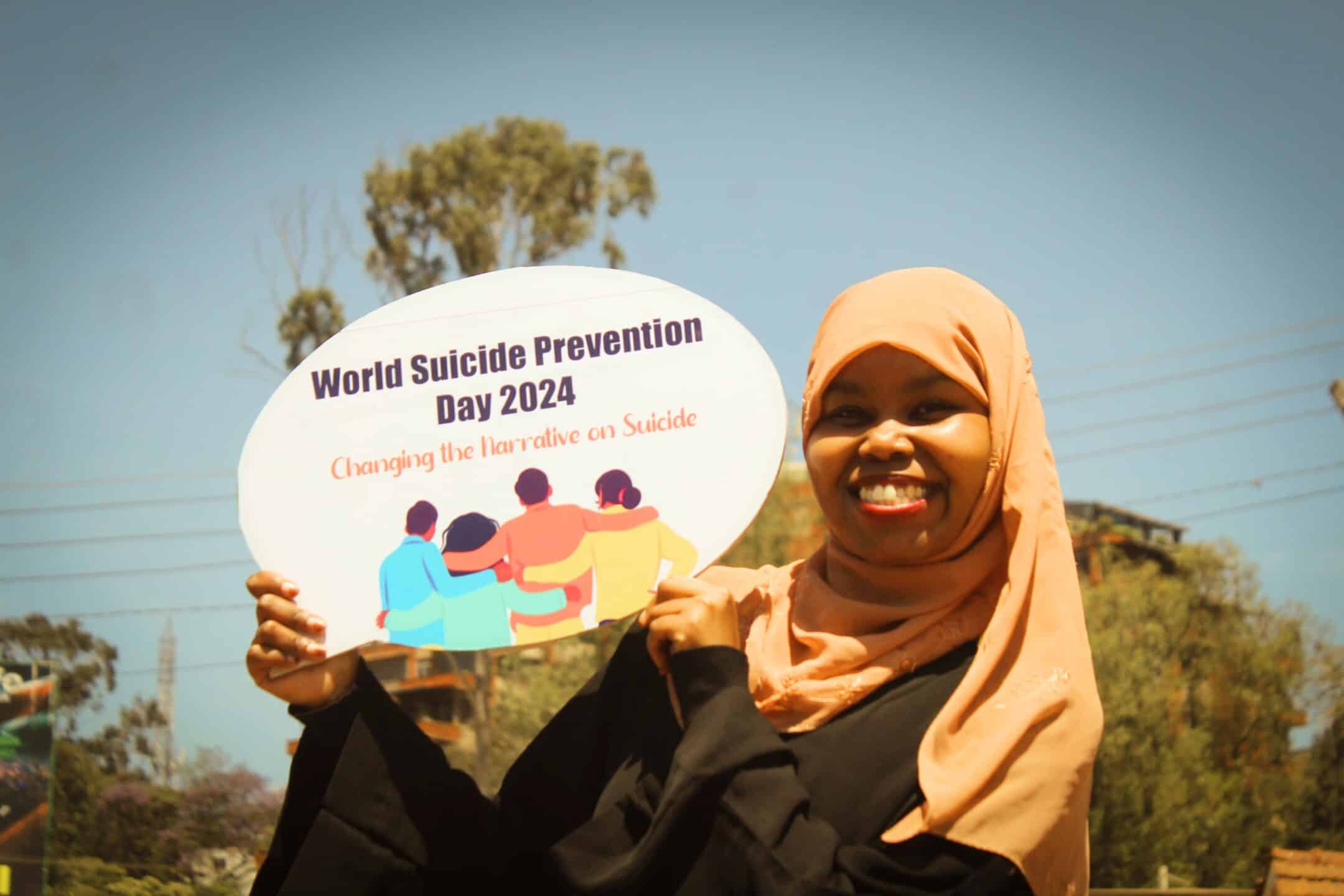
Naila Chebet Koech is Mental Health Lead at Stowelink Foundation and a Public Health Professional who transforms her lived experience with depression into community advocacy, training university students and leading health camps across Kenya.

From Top Student To Rock Bottom

Growing up in Nairobi, Kenya, I never imagined that my personal struggles would one day become the foundation of my purpose. My leadership journey began in my teenage years, when I experienced my first depressive episode. Once a high-performing student, I suddenly found myself spiraling academically, emotionally, and socially. I battled suicidal thoughts and isolation, struggling to make sense of the darkness I was facing.

At the time, I didn’t have the words for what I was going through. But today, that lived experience fuels my advocacy. It ignited a deep desire to be the mentor and support system I once needed.

Building Supportive Communities

Over time, I became involved with a youth-led organization focused on non-communicable diseases (NCDs), including mental health. Through this platform, I began speaking out, organizing community health camps, educating university students like those at Zetech University and using social media to share my mental health journey.

These actions have had a profound impact. Personally, I’ve grown into a confident, passionate advocate, boldly stepping into spaces I once feared. I’ve led mental health conversations, challenged stigma, and helped others open up about their own experiences.

For the community, the impact has been equally powerful. Many people have shared how these initiatives have helped them better understand the importance of health prevention and seeking care early. Whether through one-on-one conversations, group trainings, or social media platforms, I’ve seen lives shift as people become more informed, open, and empowered to take charge of their health.

What brings me the most joy is witnessing the impact of this advocacy seeing lives change, behaviors shift and people becoming more open to seeking help. That transformation is what continues to inspire my leadership journey every day.

I Needed To Be Well To Lead Well

One of the biggest challenges I faced was the fear of being judged for openly sharing my mental health journey. I often felt anxious in big health spaces and unsure of myself when engaging with leaders in the field. Societal expectations and the pressure of comparison added to my self-doubt.

I overcame these challenges by choosing to move forward despite the fear. I committed to self-education, applied for mental health and leadership courses, and sought guidance from mentors. Being part of a supportive community, helped me grow in confidence and purpose.

I also prioritized my own mental health, understanding that I needed to be well to lead well. I took risks, stepped out of my comfort zone and embraced the idea that mistakes are not failures but opportunities to grow. I adopted the mindset of “Done is better than perfect”.

Through these efforts, I’ve been recognized as a dedicated health advocate, a mental health champion and a leader committed to making a difference.

Don’t stress about where you think you “should” be.

One of the biggest lessons I’ve learned is that it’s okay to make mistakes.

Everyone has a different path and timeline and just because yours looks different doesn’t mean you’re behind. Don’t stress about where you think you “should” be. Embrace your personal journey and allow it to shape your unique story.

Take risks. Step out of your comfort zone. Learn, grow and most importantly, give your best to make a positive impact in other people’s lives along the way. That’s what true leadership and advocacy are about growing through your own journey while lifting others as you rise.

How Infertility Led Me to Save 2,500 Women from Childbirth Injury

Bwalya Magawa Chomba is a Social Worker & Public Health Specialist, Maternal & Child Health Advocate, and Obstetric Fistula Champion, recognized globally as a 2023 Heroine of Health (Women in Global Health) and 2025 Zee Women’s Banking Award Winner (Woman Catalyst for Change). With 20 years of experience in social work and public health, she is dedicated to transforming lives through maternal and child health advocacy, obstetric fistula care, and community mobilization. Her work bridges grassroots realities with systemic change, ensuring vulnerable women have access to dignity, quality care, and opportunities to thrive.

Developing the First National Obstetric Fistula Strategic Plan for the Ministry of Health

For nearly 15 years, I battled hormonal imbalances that led to secondary infertility. Living in rural Mpika, Zambia, accessing specialist treatment meant grueling journeys to Kabwe and Lusaka to find gynecologists who could help. I was fortunate, I had a job and a supportive partner who made these trips possible. But I knew many women in my community weren’t as lucky.

Everything changed in 2009 when I began working for Africare Zambia under a maternal neonatal child health program. That’s when I met a woman whose story would reshape my entire life’s purpose.

She told me about losing her baby during childbirth and being left with obstetric fistula – a condition that caused her to leak urine uncontrollably. As she shared her pain, shame, and isolation, I realized something profound: there were women facing far more serious challenges than my own fertility struggles.

That moment ignited a fire within me. I dedicated all my energy to finding these women in our communities and ensuring they received the treatment they desperately needed. When that project ended, I felt lost – until 2017, when I found my way to the Fistula Foundation.

I contributed to the development of the first ever national obstetric fistula strategic plan for the Ministry of Health and the review of the national training manual for safe motherhood action group members to include fistula key messages which was not part of the training curriculum.  I’m proud to say that there won’t be a mention of obstetric fistula in Zambia without my name in that story!

Fighting Skeptics and Stigma: “Not Being Medical Personnel Made People Doubt Me”

Not being medical personnel sometimes put me in positions where people doubted my capabilities. But I proved myself through results, becoming the crucial connection between women with fistula and life-changing treatment services. The Fistula Foundation has made this possible by providing completely free services; from community mobilization and patient identification to transport and actual treatment.

Obstetric Fistula was rarely talked about  which was difficult to have a breakthrough of seeing more women coming out in the open to access treatment, I overcame this through continuously raising awareness using different platforms.

Under my leadership since 2017:

  • Over 2,500 women have received life-changing treatment
  • 8 hospitals now perform fistula surgery (previously, options were extremely limited)
  • Routine surgery is now available – women no longer wait years for treatment
  • 15 fistula surgeons at various levels now serve Zambia, up from just 5
  • Over 40 nurses have been trained in fistula patient care and management

“Just because the rivers are calm doesn’t mean there are no crocodiles.”

“Just because the rivers are calm doesn’t mean there are no crocodiles.” So it is with fistula and other childbirth injuries. There are far more women suffering in silence from the shame of fistula than those we have been able to treat. We must continue raising awareness until, one day, that woman in isolation finds the strength to step forward and access the treatment she deserves.”

WiLD Norway Breaks the Leadership Glass Ceiling

Chelsea Ranger is the CBO of Possibia and Founder and Chairwoman of WiLD Norway. With a Master of Health Sciences in Physician Assistant Studies and medical and clinical background, she specializes in empowering women, DEI (diversity, equity, and inclusion), and women’s health.

Identifying the Gap

I established WiLD Norway after being inspired by sister organizations in Denmark and Sweden, founded on gut feeling and knowledge from neighboring countries.

My instincts proved correct: despite women comprising 60-90% of the workforce in healthcare and academia, they hold 13-21% of leadership, board, and founder positions. Through partnership with Menon Economics, we published the first comprehensive data exposing this leadership gap in Norwegian life sciences.

Finding Empowerment Through Fellowship

WiLD Norway is a national platform for accelerating gender balance in leadership and decision-making. In the past year alone we’ve:

  • Launched training programs for women in board governance, confidence and self-promotion, self-narratives, CV development, female entrepreneurship, and intellectual property.
  • Created an Ambassador Program for male leaders to reflect on bias and actively drive equity in their organizations. 18% of the member base and 33% of the board is made up of men.
  • Hosted over 21 events with over 600 attendees, 60+ speakers, and clear calls to action on balanced leadership, investment in women and women’s health.
  • Been invited to Norway’s Parliament (Stortinget) twice to share Wild Norway’s perspectives.
  • Built Nordic collaborations with peer organizations in Denmark, Sweden, as well as the newly founded Nordic Women’s Health Hub.

The Winning Strategy

Rather than confrontation, we chose inclusion—inviting men as ambassadors for change through bias training and conscious leadership programs. This approach has built credibility with policymakers and institutions while creating systemic transformation.

We cannot wait to be invited. It is up to each of us to build our own table and make it welcoming. Change is slow, until it’s not. Consistency builds credibility, and our network is the greatest currency any of us can have.

Our work continues to face systemic challenges rooted in policy that’s often blind to gender and underrepresented populations. The current global political shift has even created new obstacles for international collaborations, particularly with U.S. partners abandoning DEI initiatives.

The infrastructure we’re building today will transform tomorrow’s health outcomes, making space for voices that have been systematically excluded while strengthening the entire sector’s resilience.

Overcoming Gender Discrimination While Leading Health and Justice

My name is Jane Wairimu Kahura, County Secretary of Kiambu CHPs and a proud CHP serving in Kahawa Wendani, Kiambu County, Kenya. I have worn many hats over the years – as a mother, grandmother, paralegal, Nyumba Kumi cluster leader, Land Board member, ward climate change committee member. I am also a grassroots woman under GROOTS Kenya. But above all, I am a woman driven by love for my people and a deep belief that health, justice, and dignity must reach even the last person in the village.

The Journey Began from Struggle

The journey began from a place of struggle. I raised four children as a single mother, often surviving on very little. At times, I made difficult choices just to keep the family going. I have walked through debt, shame, and regret. But from that fire, I emerged stronger. I realized that if I could survive and learn, then I had a duty to walk with others through their own storms.

I was inspired by the brokenness I saw in my neighborhood – children sick without care, women trapped in cycles of violence, families torn by land disputes. I wanted to be more than a bystander. I wanted to be a voice. And when I got trained as a CHP, my journey of transformation and service truly began.

Building A Stronger Community​

In my role as a CHP, I go door to door listening, educating, and linking people to services. But my work often goes beyond the normal duties.

I have rescued neglected children – including a 19-month-old baby suffering from vaginal infection and a 9-year-old boy who had been locked up alone. I ensured they received medical help and were taken to a children’s home. The mother was later arrested and supported through the system. I have also handled sensitive cases of sexual abuse, including between children. I work closely with the chiefs and other relevant officers and safe houses to ensure survivors are protected and perpetrators face justice.

I have walked from house to house educating hesitant parents. I simplify the science and remind them that prevention saves lives. I do this by being present, patient, and persuasive.

I sit on our Land Control Board, ensuring women’s voices are heard in land transactions, especially where inheritance and family land are concerned. I advocate for widows, orphans, and women in polygamous setups who are often denied their rights.

I have helped organize women into groups to save, farm, and understand their land rights – to inherit land, to register joint titles, or to apply for loans. I have used my training from GROOTS Kenya to conduct civic education on the Matrimonial Property Act.

In the Ward Climate Change Committee, I push for gender-sensitive adaptation strategies, especially since women farmers and the elderly are affected most by drought, floods, and poor soil health.

In Nyumba Kumi cluster, I mediate disputes, address security concerns, and promote peace.

Overcoming Gender-Based Discrimination

My path has not been easy. I have faced resistance from traditional elders, threats from abusers I have reported, and even ridicule for being “too vocal for a woman.” Some public officers dismissed me as just a volunteer, not realizing the burden we CHPs carry. I have also struggled with burnout, financial lack, and emotional exhaustion.

But I overcame through faith, training, and networks. GROOTS Kenya has and continues to mentor me. WGH gave me a platform to learn, advocate, and be seen. My community, once skeptical, now respects me. And my story continues to inspire other women to rise.

Key lessons I’ve learned:

  • Grassroots women are experts in their own lives. Listen to them.
  • Health begins at home – and the CHPs are the bridge between homes and systems.
  • Power grows when we partner. No one can change a community alone.
  • When women lead, health systems listen, communities heal, and justice moves forward.

Today, when I walk through my neighborhood, and children run to greet me, when women whisper their secrets and ask for guidance, when local leaders consult me before making decisions, I know I have not labored in vain.

I am not just leading health. I am leading change.

Bridging the Gap Between Medical Knowledge and Wide Audience

Paidamoyo P. Mafunda is a Medical and Health Events Programs Coordinator working to bridge the gap between medical knowledge and communities in Zimbabwe. She organizes medical conferences, awareness campaigns, and education events that connect healthcare professionals with patients and the public. Her story reflects the planning and adaptability required to transform healthcare communication despite financial constraints and logistical challenges, creating change in health awareness and policy development.

Making Medical Knowledge More Accessible

As a medical and health events planner, I was inspired to take this initiative by a deep passion for bridging the gap between medical knowledge and the people who need it most-healthcare professionals, patients, and the wider community. Over the years, I observed how impactful well-organized medical conferences, symposiums, and awareness campaigns can be in improving healthcare delivery and professional collaboration. Ultimately, my goal is to contribute to a healthcare system that is informed, connected, and proactive. Well-executed events are a powerful way to make that happen.

Impact of Events on Public Health Awareness

My work as a medical events planner has had a multi-level impact. Personally, it has pushed me to grow into a more strategic thinker and effective communicator. Every event taught me how to manage complex logistics, bring together diverse stakeholders, and remain calm under pressure—skills that have shaped both my career and my character.

At the community level, our events have increased public health awareness and improved health-seeking behaviors. For example, after organizing a chronic disease awareness campaign, we saw a measurable increase in local screening rates and follow-up visits, showing how powerful education can be.

Socially, our events have fostered collaboration between healthcare professionals, NGOs, and community leaders—breaking silos and encouraging more integrated care approaches. On a policy level, some of the conferences we’ve coordinated have led to the drafting of position papers and recommendations that were submitted to health authorities. These contributions have influenced discussions on healthcare guidelines and policy improvements.

Within the health system, our initiatives have supported continuing medical education (CME), helped disseminate best practices, and encouraged innovation. It’s incredibly fulfilling to know that through careful planning and coordination, our events are not just gatherings—they are catalysts for lasting change.

This career path had it’s significant challenges such as: complex data bundles for medical practitioners, last minute cancellations, budget constraints whilst trying to maintain a high standard of experience.

I have managed to resolve the above mentioned challenges through planning, proactive problem-solving and effective communication.

Words for Future Women Leaders in Health

One key lesson I have learnt is the importance of staying adaptable and solution-focused. In medical event planning, even the most meticulously organized event can face last-minute changes — from speaker cancellations to regulatory updates. Learning to remain calm and pivot quickly without compromising quality is critical.

Compliance is not just a checkbox, it is a core part of the planning process. Especially in the medical and pharmaceutical industries, understanding the compliance landscape early and integrating it into every phase of planning can save time, protect your organization’s reputation, and ensure ethical engagement with healthcare professionals.

Also, never underestimate the value of building strong vendor and stakeholder relationships. Treat your suppliers and internal teams as true partners. When unexpected challenges arise — and they will — these relationships can make the difference between a minor setback and a major crisis.

Finally, I would say: never stop learning. The medical and events industries evolve quickly — from new technologies like virtual platforms and AI-driven engagement tools to updates in global healthcare regulations. Attending industry conferences, networking with peers, and being curious will keep you ahead of the curve.

She Leads Health: A Journey of Purpose, Equity, and Impact

Dr. Funmilola Adio is a public health physician and Research Fellow working to improve community health in Nigeria. She focuses on sexual and reproductive health, universal health coverage, and fair leadership in health systems. Her story reflects the challenges and achievements she’s faced in leading efforts to make healthcare more accessible and just for women and girls.

Ambition Born from Discomfort

My journey into health leadership was born not from ambition, but from deep discomfort—a growing unease with the silent injustices I witnessed in the communities I served. As a young medical doctor practicing in Nigeria, I often found myself in overcrowded clinics attending to women whose health outcomes were shaped less by biology and more by social and systemic inequalities. It was in these moments that my path began to take shape—not just as a clinician, but as an advocate and leader determined to change the narrative.

One particularly defining moment came during my early public health (rural) posting. I met a pregnant teenager who had never received antenatal care—not because she didn’t want to, but because there were no services within reach, and no one ever taught her that she had a right to care. She ended up losing her baby, and that day I made a silent promise: I would work not just to treat symptoms, but to challenge the structures that created them.

This conviction deepened as I developed a strong interest in epidemiology, maternal and child health, family and reproductive health, and gender equity. I recognized that behind the data were real women and girls—too often left behind. I began to explore how to merge my clinical training with systems thinking, policy advocacy, and community engagement.
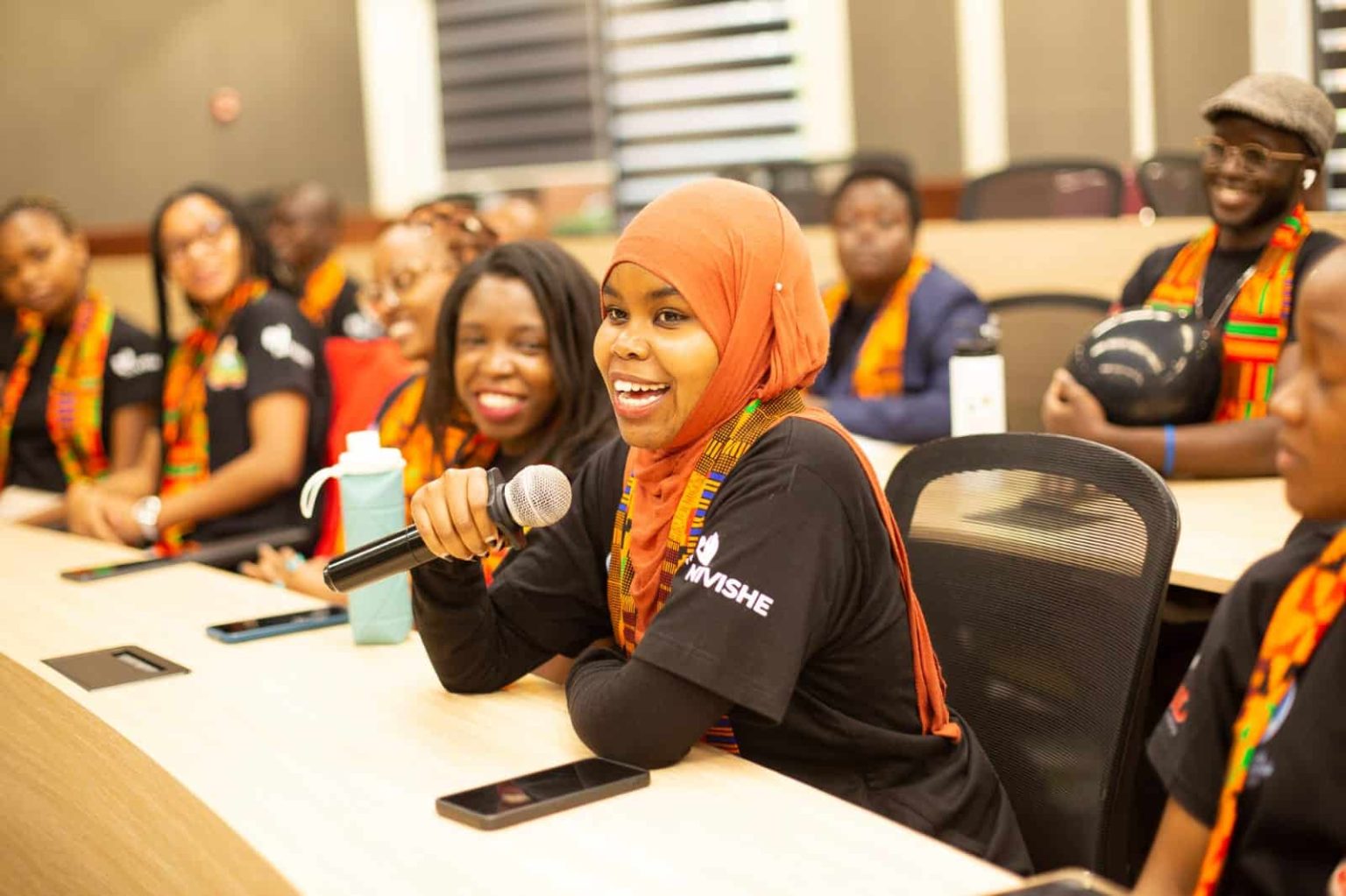
Finding Empowerment Through Fellowship

Nigeria (EmpowerHer) under the Research for Gender Equity stream. This platform became a catalyst. I began leading efforts to explore gender disparities in health research, conducting fieldwork in underserved communities, and contributing to national-level projects like the Global Action in Healthcare Network (GAIHN) Point Prevalence Survey, which focused on infection prevention and antimicrobial stewardship.
These initiatives allowed me to amplify evidence and advocate for practical policy reforms at the institutional and state levels.

One of the most fulfilling parts of this journey has been mentoring young women in health and research—helping them find their voice in spaces where they are often underrepresented. I have also worked on building capacity through trainings and data collection efforts in emergency and primary care settings, which strengthened evidence for improving quality of care.

But leadership hasn’t come without its challenges. I’ve faced institutional resistance, limited resources, and at times, gender bias that tried to frame boldness as overstepping. Yet I navigated these hurdles by building alliances, seeking mentorship, and holding fast to the evidence that equity improves health outcomes—not just for women, but for entire communities.

Words for Future Women Leaders in Health

If there’s one thing I’ve learned on this journey, it’s that leadership is not about having a title—it’s about taking responsibility where others look away. You don’t have to wait for perfect conditions or permission to lead. Start from where you are, with what you have, and let your passion for equity and justice guide you.

Lastly, take care of yourself. Burnout is real, and you can’t pour from an empty cup. Make time for rest, reflection, and joy. Your well-being is not a luxury; it’s part of your sustainability as a leader.

To anyone walking this path: know that your voice matters, your story matters, and your efforts—no matter how small they may seem—are shaping a more just and healthier world.

Keep going.