Mildred Chinyanta is the CEO and Founder of the Standing Up for Boy Child Initiative Zambia (SUBCIZ) and an active member of Women in Global Health Zambia Chapter. As a Health Promotion Officer specializing in health promotion and education, she works with parents and communities to redefine masculinity, promote boys’ inclusion in gender equity, and address the challenges boys face at the national level in Zambia.
Standing Up for Boys Left Behind
Growing up and living in Zambia, I have witnessed a troubling reality, while significant progress/strides had been made in advocating for the rights and well-being of the girl child and women , the boy child and young men were increasingly being left behind. I saw it in the school system, where boys have been underperforming , participating and dropping out of school. I noticed it in health access, where boys lacked proper education and services around mental and physical health.
Most disturbingly, I observed the silence around sexual abuse and exploitation of boys, a subject rarely spoken about, yet deeply damaging.
This unequal attention created an imbalance in society. Boys, who lacked the support, guidance, and protection they needed in their formative years, were expected to grow into responsible men, husbands, and leaders, often without the tools or foundation to do so. Many ended up on the streets, involved in substance abuse, or trapped in cycles of violence and poverty.
These experiences motivated me to act. I felt a deep urge to change the narrative, to give the boy child a voice, a safe space, and a chance to thrive.
In response, I founded the Standing Up for Boy Child Initiative Zambia (SUBCIZ). This initiative focuses on advocacy, mentorship, education, and sensitization to empower boys and young men aged 7 to 24 years, particularly those in rural and urban marginalized communities across Zambia’s 10 provinces.
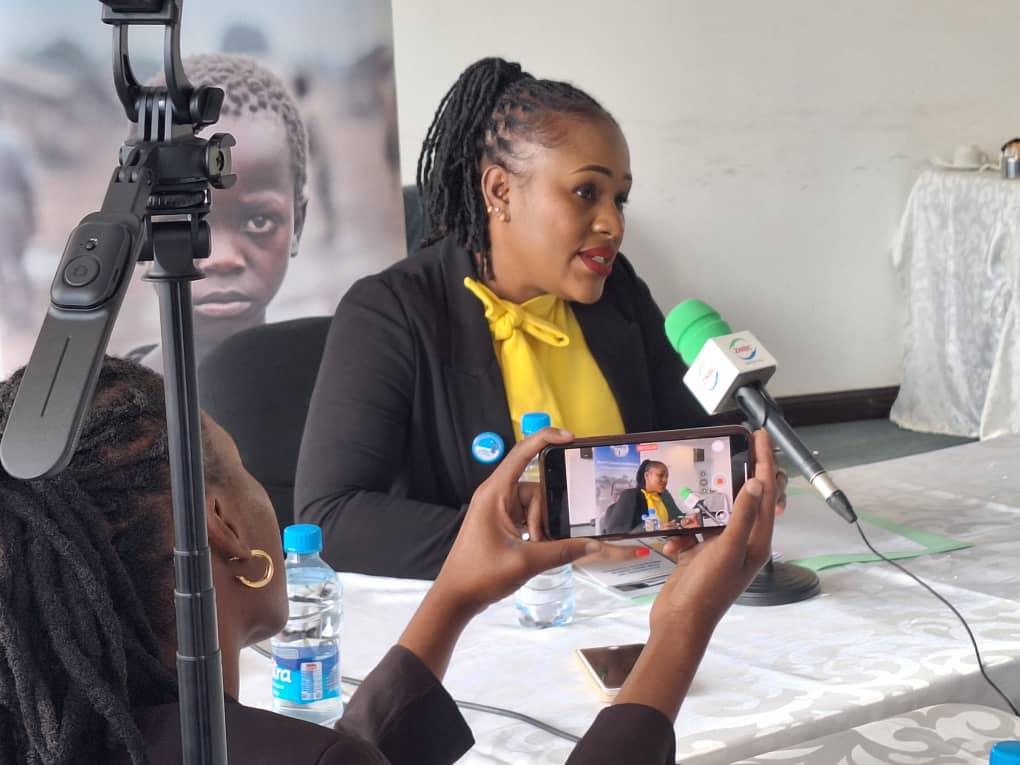
Recognizing the Importance of Supporting Both Genders Equally
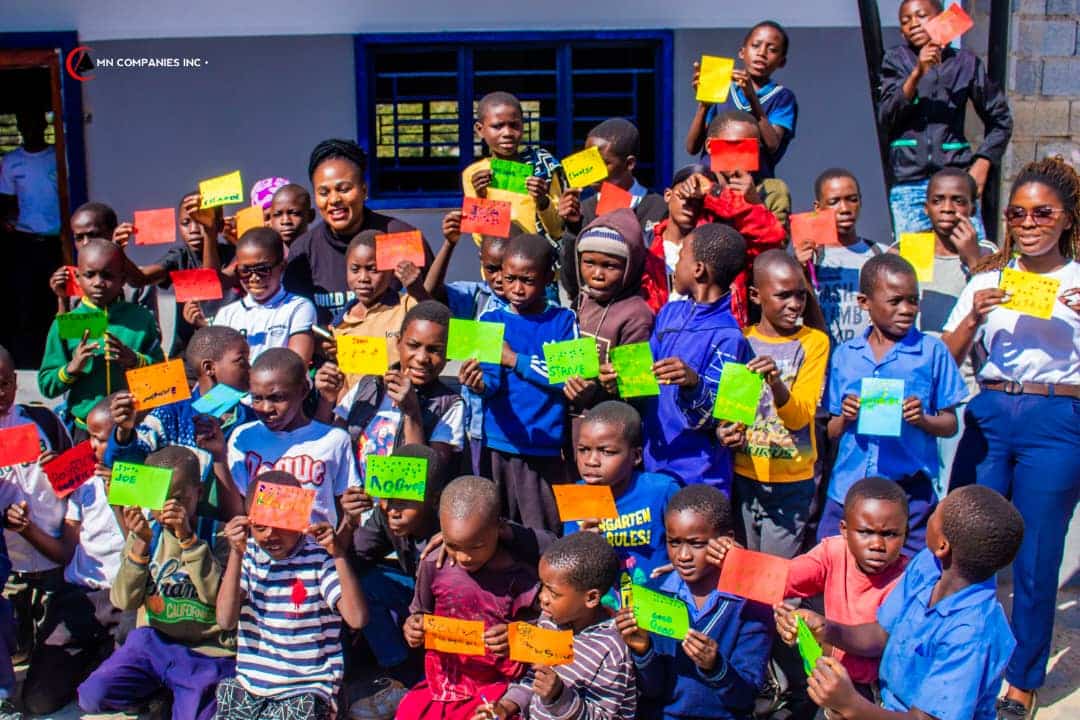
We began by engaging boys directly, starting with school sensitization programmes, such as the one held at Arakan Boys’ Secondary School, which drew over 500 pupils. We launched mentorship programmes at institutions like the Michael Chilufya Sata School of Medicine, in collaboration with First Capital Bank, where male students were mentored on leadership, mental health, and life skills.
One of our earliest milestones was participating in the Snack and Learn Mentorship Event at Matero Community Hall, where we engaged both boys and girls and introduced the SUBCIZ mission. We tackled topics including masculinity, mental health, sexual abuse, substance abuse prevention, and purpose-driven living.
Importantly, we created platforms for boys to speak out, be heard, and feel cared for, something that was missing in their lives. We brought fathers into the conversation too, recognizing that absenteeism, lack of knowledge, and failure to engage in their sons’ lives were contributing to the crisis.
Impact from Community Level to Policy
This journey has transformed me. I’ve grown in leadership, learned to use my voice to advocate for change, and realized the power I have to shape policy and influence social norms. I’ve become more confident, compassionate, and purpose-driven.
My efforts created awareness and opened dialogue around issues affecting the boy child topics that were often ignored. The community now recognizes the importance of supporting both genders equally. Many parents, teachers, and leaders have begun to take an interest in the well-being of boys and young men.
SUBCIZ has opened conversations with government and other stakeholders on gender-sensitive programming that includes boys. We are beginning to see recognition from stakeholders who previously overlooked the boy child, and we continue to advocate for data collection and the integration of boys’ needs into national strategies.
Boys are now accessing information and support around mental health, substance abuse, and reproductive health through our outreach efforts. We’re contributing to early intervention and healthier futures.
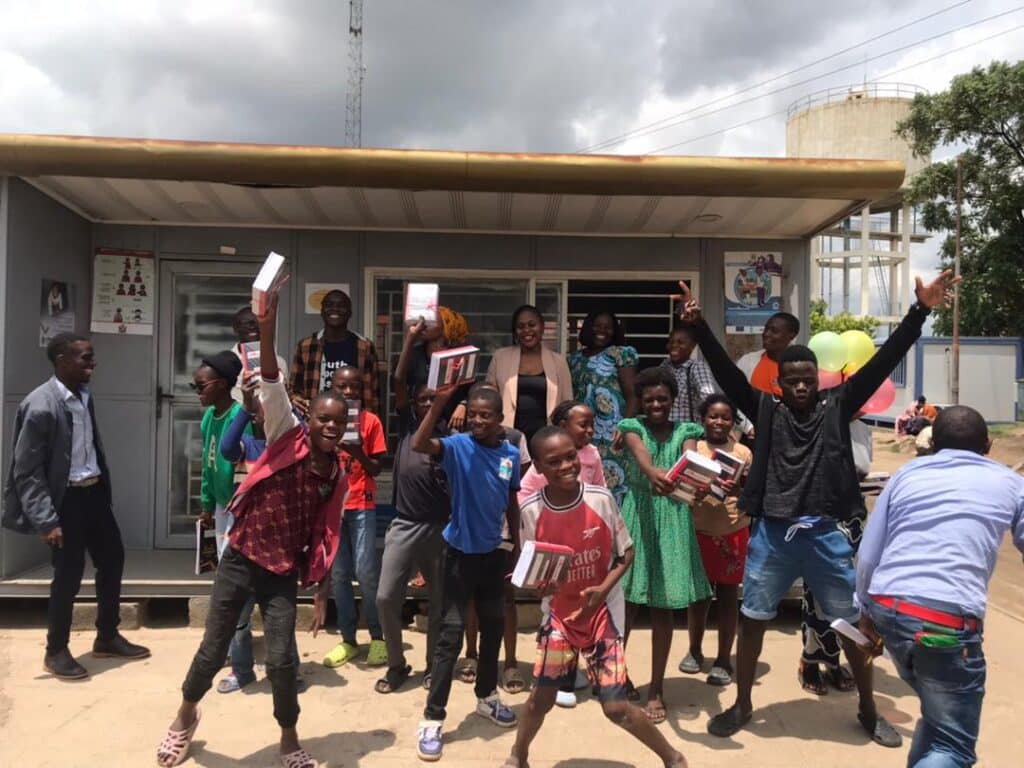
Reeducating Absent Fathers to Become the Role Models Boys Need
One of the biggest challenges was the lack of resources. With limited funding, it was difficult to reach more communities or scale up our programs. To overcome this, I began lobbying for support, presenting our work to potential donors and development partners.
Another major challenge is the lack of awareness among men, particularly fathers regarding the wellbeing of their sons. Many fathers are absent, spending more time pursuing wealth and personal pleasures, often at the expense of fulfilling their roles as fathers and role models to their sons. Additionally, there was resistance and silence around the issue of sexual abuse of boys, a taboo subject in many communities.
I am addressing this issue through sensitization efforts targeted at parents.. This includes radio and television programmes, exhibitions, direct community outreach whenever opportunities arise, and the use of social media platforms to raise awareness.
"A Journey of Many Miles Starts With One Step"
You don’t need to have everything figured out or all the resources in place, as one of my favorite quote says “A journey of many miles starts with one step”.
Always believe in yourself. Believe that you can bring positive change in peoples lives and that with the little that we have we can compliment governmental efforts.
Social change takes time. Therefore, its important to be persistent and patient. You don’t have to do it alone. Shared goals create stronger outcomes, find like-minded people and organizations and build a community of support and care to help you navigate the discouragements and resistance that will inevitably be part of the journey.
Evidence-based advocacy is key. Collect data, document your work, and track your impact to build credibility and influence change. The work can be demanding, so keep learning, seek mentorship, and take care of your mental and emotional well-being; a strong leader empowers others.
My journey with SUBCIZ has been one of courage, learning, and hope. I have seen the faces of boys who now believe in their worth, fathers who are beginning to understand the importance of showing up and communities and government slowly shifting toward inclusion. We pray for equitable and inclusive Zambia where both girls and boys should be able to thrive and bring out their full potential.