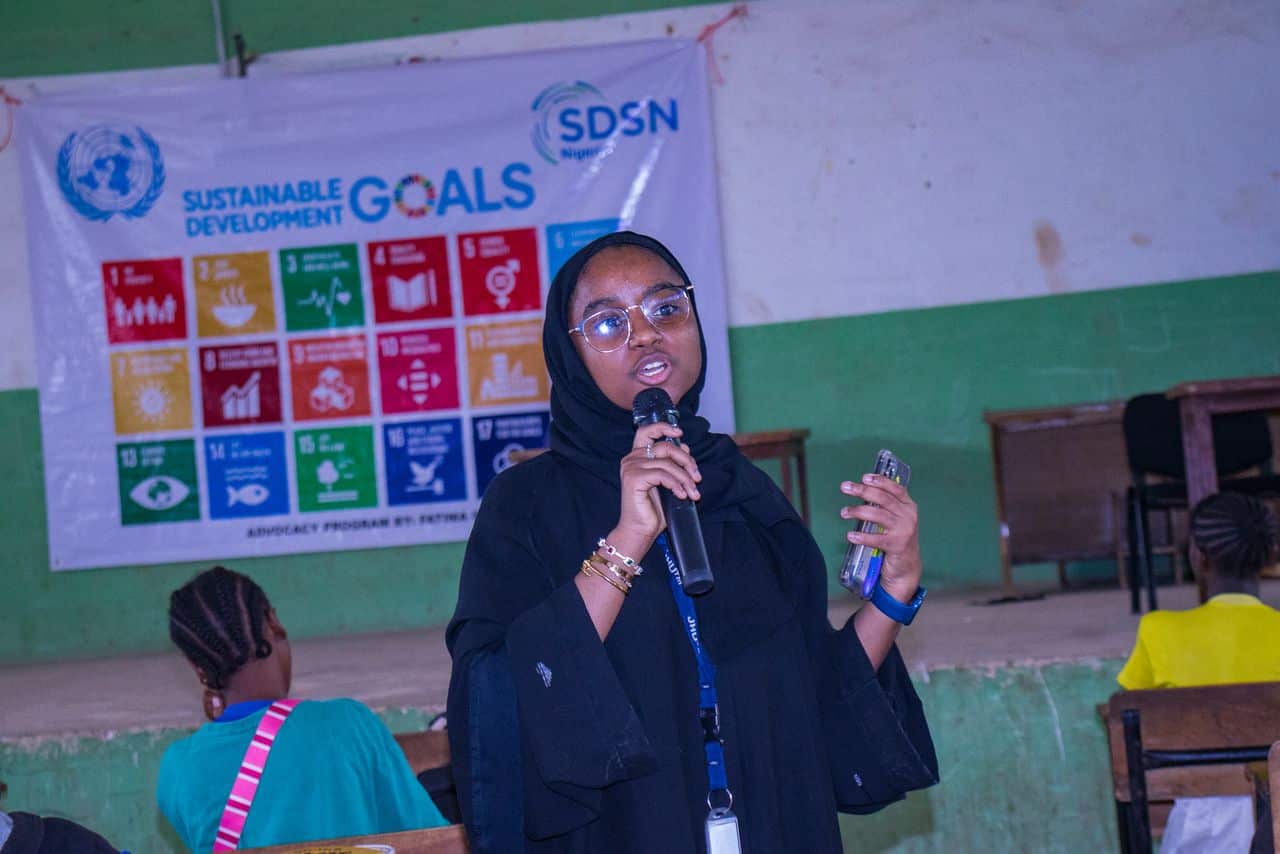
Fatima Gidado is a community health worker from Nigeria focused on health and women’s economic empowerment. Her story reflects the resilience and conviction that turned personal tragedy into a movement for dignity in healthcare, inspiring action and building pathways for women to access the care and justice they deserve.
A Call That Changed Everything
One fateful evening in 2021, around 5:00pm, I received a call that altered my life’s course forever. My mother had been involved in a ghastly accident on the outskirts of Kaduna, just an hour from home. She was losing a frightening amount of blood, and those around her were frozen in fear, unable to act.
By sheer grace, a kind stranger who was passing by stepped in and rushed her to Kano. Because we came from a relatively privileged background, we were able to reach out and secure her a spot at the Aminu Kano Teaching Hospital (AKTH). We arrived around 10pm, and despite calling the Chief Medical Director ahead of time, there was no bed available. My mother was laid on the floor.
At that moment, I saw more than my mother’s pain. I saw a broken system. The nurses tried, but the conditions were inhumane. I wouldn’t wish the care she received on my worst enemy. I looked around and saw others, some critically ill, waiting and struggling just to get the attention of overwhelmed health workers.
We wanted to move her to a more comfortable facility, but her condition was so fragile that she had to stay put. I remember asking myself over and over: If this is the experience of someone with connections and resources, what about those without? What becomes of families who can’t make that phone call? Who can’t afford a transfer or a test?
Confronting a Broken System
Two days later, we moved her to another hospital. And then, the unimaginable happened—health workers went on strike. Patients were told to leave. Again, I asked: To where?
She needed blood for surgery, and when we went to get blood, we were hit by another wall—screening a unit cost nearly ₦40,000 (USD 27). How many Nigerians can afford that? That moment broke something in me. But it also lit a fire.
I joined a charity organization that focused on supporting the vulnerable and organizing blood drives, gathering volunteers to donate blood for distribution across hospitals. Our first drive received incredible support. Media houses picked up the story, and soon we had not only donors but return donors, people who show up year after year to give life, quite literally.
Every time a person donates, every time we ease the burden of one family, I remember why I began. But it wasn’t easy. On several occasions, acquaintances and friends told me not to bother. They said I was too young, that I was wasting my time. “You’re trying to do what older men and women haven’t succeeded at.” Others warned me that being “too vocal” and “too visible” might affect my chances of attracting a suitor. “Men don’t marry girls who lead protests or run foundations,” one said.
Still, I pressed on. Because I had seen what it looked like when a system collapses. And I couldn’t unsee it.
From Pain to Purpose: Founding MedforHer
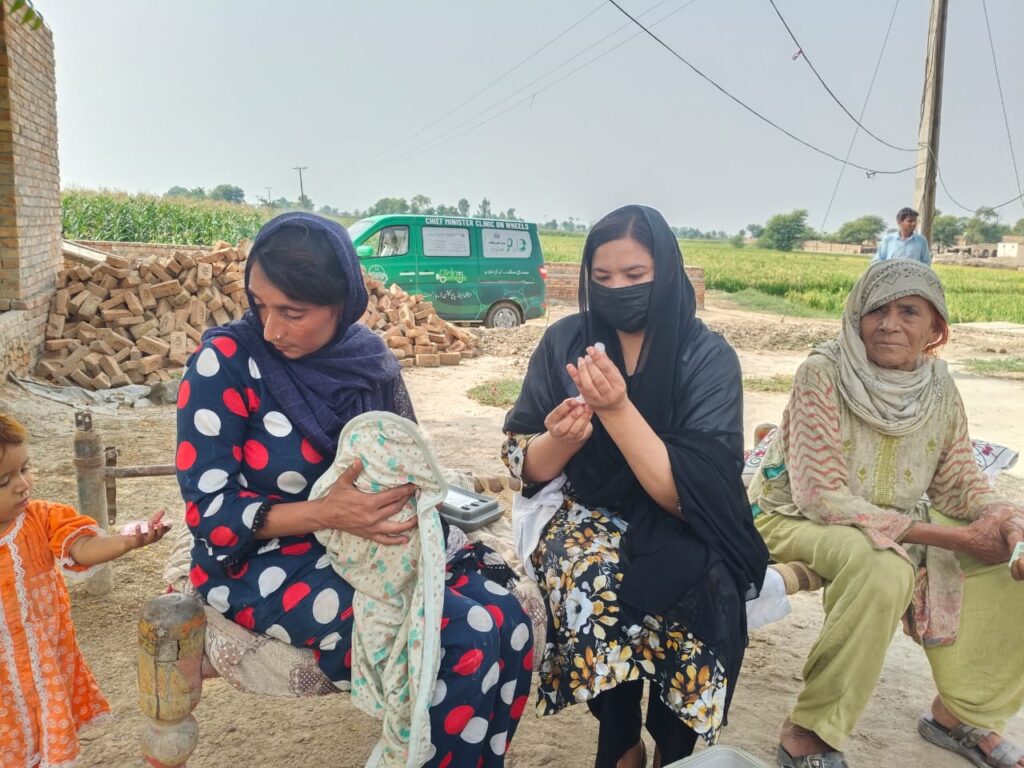
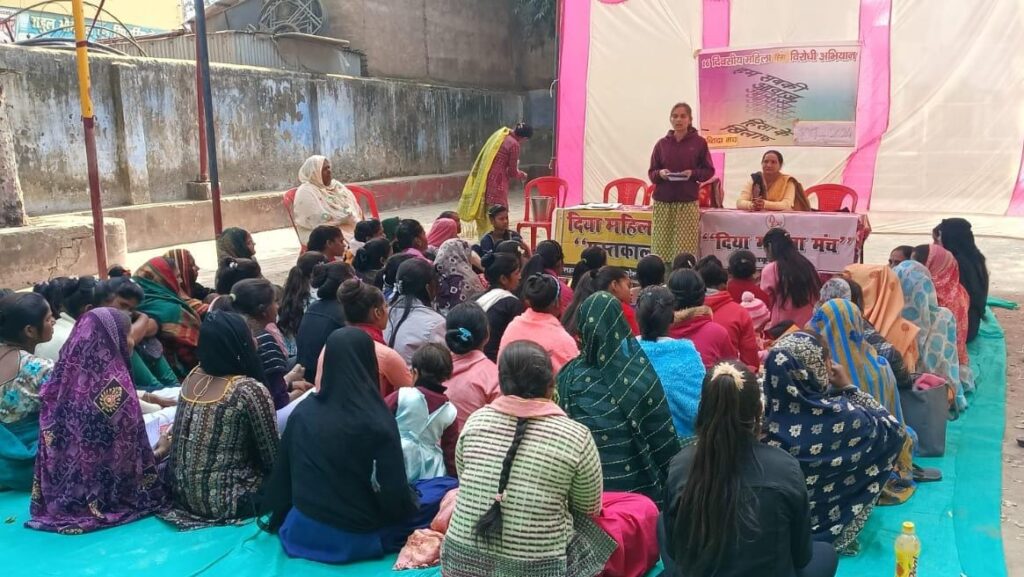
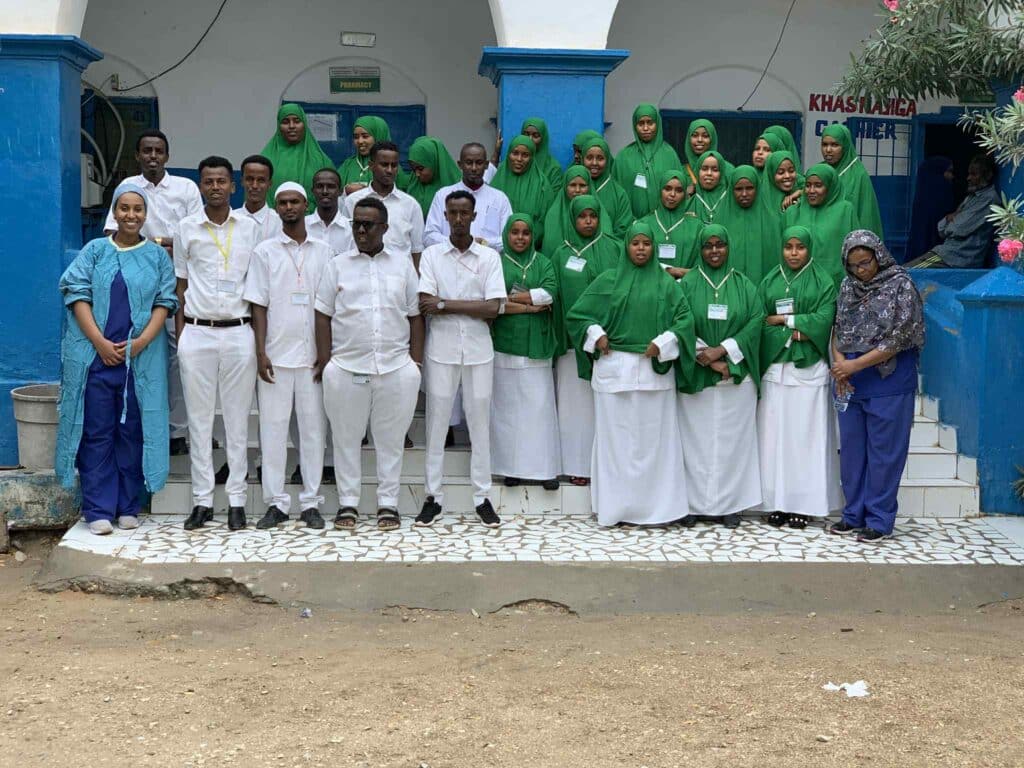
That journey led me to something bigger than myself: MedforHer, a foundation I founded to support women’s health, especially in underserved communities. We focus on access, dignity, and the right to care. From blood drives to community outreach to advocacy for better maternal care, MedforHer is my promise to every woman who ever sat on a hospital floor, waiting.
This is not charity. This is justice. This is personal.
I will remain committed to this cause because my mother survived, but many don’t. Because silence has never fixed a system. And because I believe every woman—rich or poor, old or young—deserves to be seen, heard, and healed.