Dr. Somia Iqtidar is a physician and public health leader with 20+ years in internal medicine, infectious diseases, and healthcare systems strengthening. Her journey transforms personal loss into a blueprint for systemic reform, forging protocols and building pathways for women to lead with authority and purpose.
The Foundation: A Promise Born from Loss
My story is one of turning personal pain and professional challenges into a force for systemic change. It begins with a foundational belief, formed in childhood, that I was meant to be both a healer and a teacher. This belief was tested when my father passed away suddenly during my medical studies. His last words, an expression of unwavering faith in my future, became the bedrock of my resilience. Little did I know that this early lesson in perseverance would prepare me for the battles ahead—battles not just against disease, but against systemic failures that cost lives.
The Catalyst: When Systems Collapse
This resilience was called upon during the 2011 Dengue outbreak in Lahore. As a Senior Registrar at Mayo Hospital, I stood on the front lines of a collapsing system, personally examining over a thousand suspected cases in single 12-hour shifts. The hospitals were overflowing, resources stretched beyond capacity, and panic was constant. The devastating cost of inaction became undeniable as patient after patient arrived, and we struggled without standardized protocols or adequate training.
The defining moment came with the loss of a 21-year-old young man, his parents’ only son, to a virus we struggled to understand. In that moment of profound failure, my role transformed—it was no longer enough to be a clinician managing symptoms; I was compelled to become an architect of the system we desperately needed. I was inspired by a fierce determination to forge order from chaos and to ensure our health system would never again be so vulnerable.
Building Systems from Ground Zero
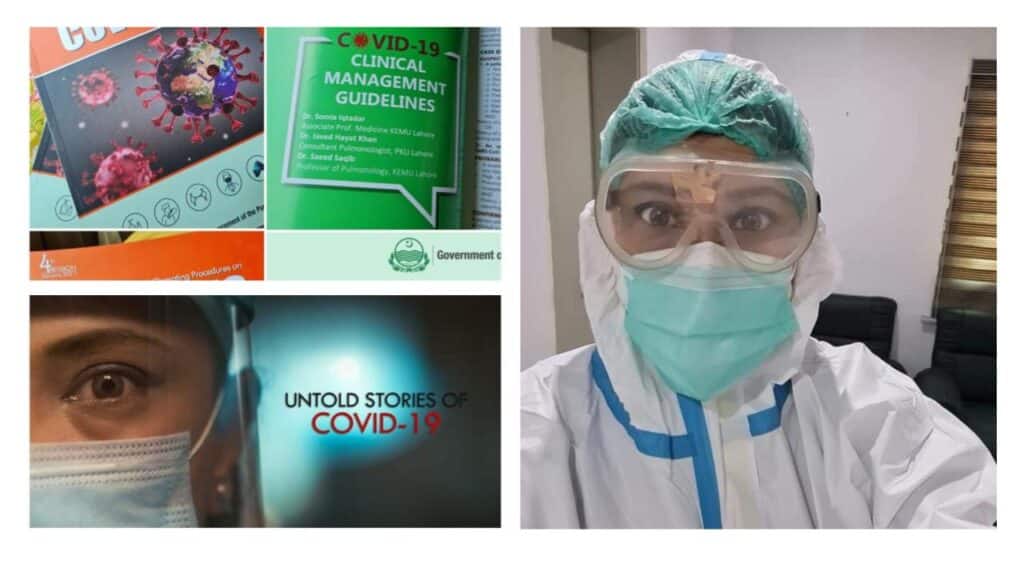
In the absence of national guidelines and standardized training, I took the initiative to become a WHO Master Trainer, making myself a conduit for knowledge. I sought international training and then relentlessly disseminated it to build national capacity from the ground up. I trained thousands across the Asia-Pacific and then institutionalized that knowledge by chairing the Dengue Expert Advisory Group and authoring Pakistan’s first national dengue guidelines. This provided a clear protocol for thousands of doctors, directly improving patient outcomes and building a resilient framework that was later adapted for the COVID-19 response, for which I also authored provincial guidelines. This model of ‘crisis to protocol’ proved transformative at multiple levels, creating systemic change that extended far beyond the initial emergency.
Creating Communities of Excellence
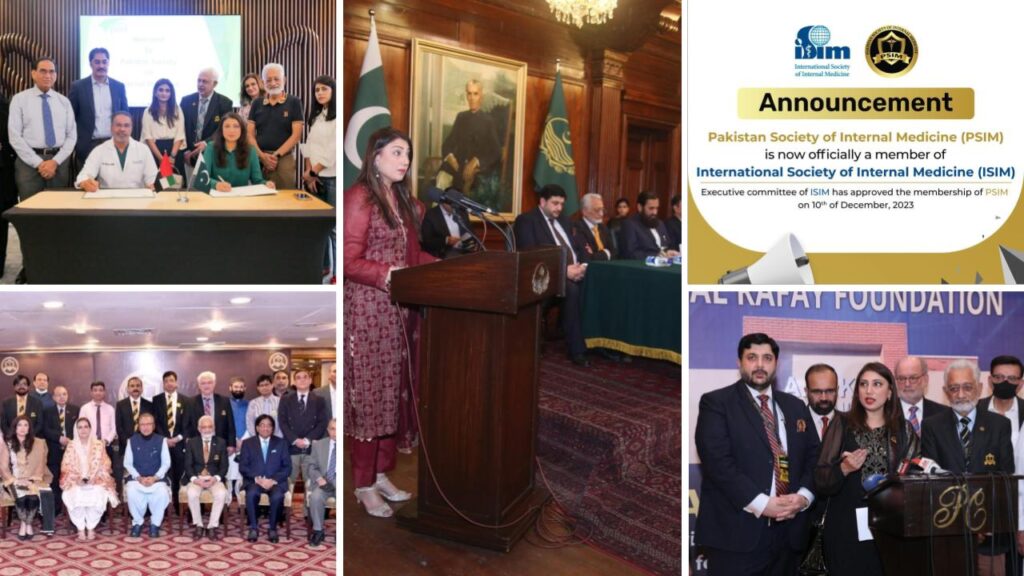
Parallel to this, I recognized the lack of a collaborative platform for internists and the systemic barriers facing women physicians in Pakistan. What began as a “Facebook status of a dream” grew into the Pakistan Society of Internal Medicine (PSIM), now an internationally recognized body fostering education and innovation. This initiative created a vital platform for collaboration and education for internists across the country, filling a void that had long hindered professional development.
Furthermore, I partnered with the Royal College of Physicians (RCP) to pilot their Global Women Leaders Program in Pakistan, directly mentoring and empowering hundreds of female physicians, creating a sustainable pipeline for women in healthcare leadership. I leveraged this international opportunity not for personal gain, but to create a local legacy that would outlive my direct involvement.
Navigating Barriers with Strategic Vision
The journey was fraught with obstacles, both professional and strategic. Entering the male-dominated field of Internal Medicine, I consistently needed to prove my expertise and authority as a young woman, where male counterparts were often granted automatic legitimacy. Perhaps the most complex challenge was navigating institutional inertia. Founding an organization like PSIM or integrating a global program like the RCP Women’s Leadership initiative required me to shift from individual expert to coalition-builder. The obstacle was no longer a lack of knowledge, but a lack of consensus and infrastructure. I overcame this by focusing on creating tangible value through pilot projects that turned skeptics into stakeholders and built the momentum needed for large-scale change.
Lessons in Leadership: Empowerment Over Achievement
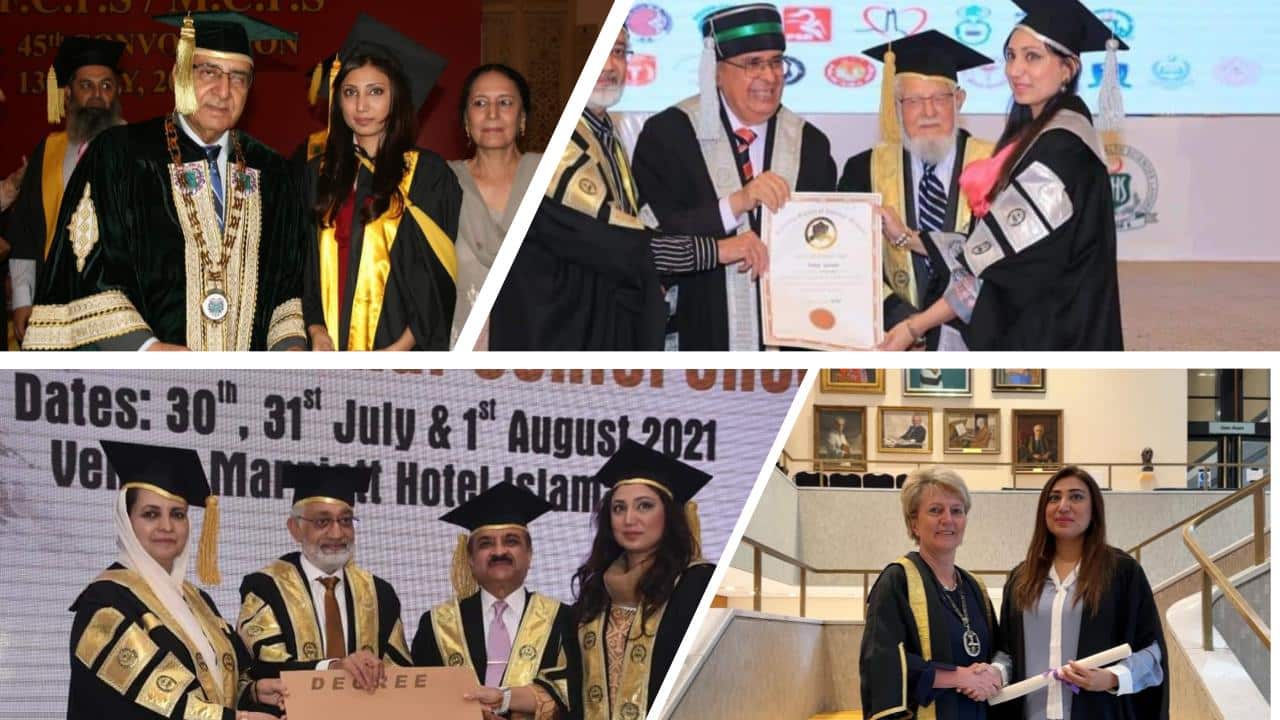
This journey has led to national recognition, including the Health Icon Award, Health Hero Award, Governor’s Award, and the President’s Award for Excellence. But the most significant impact is knowing these initiatives continue to save lives and shape careers long after my direct involvement.
Through this experience, I havelearned essential truths about leadership. First, embrace crisis as a catalyst—some of the most significant systemic changes are born from the toughest challenges. Second, leadership is about empowerment, not just personal achievement. The true success of a leader is measured by how many others they lift. Third, your unique perspective is your strength. Being a woman in a male-dominated field, or a Pakistani doctor on the global stage, is not a weakness—it allows you to see gaps and solutions that others might miss.
Finally, never underestimate the power of a well-told story. Sharing my journey, from the pain of loss to the triumphs of policy change, has allowed me to connect, inspire, and advocate far more effectively than data alone ever could. My story demonstrates that true leadership means addressing voids, building systems where none exist, and ensuring your success creates a path for others to follow.