Saima Asghar is a Lady Health Visitor in Pakistan and works closely with communities on polio vaccines, maternal and child health. Her story showcases how frontline health workers can make communities polio-free through perseverance, empathy and empowering women in health decision making.
A Mission Beyond Vaccination
My journey as a polio worker began more than a decade ago, when I joined the Polio Eradication Programme in Bhawalnagar, a district in Punjab province located along Pakistan’s eastern border. As a Lady Health Visitor (LHV), I had already been working with communities, mothers and children, but the devastating impact of polio gave me the strongest motivation to step forward. I was inspired by the dream of a polio-free Pakistan, and I felt a personal responsibility to protect every child in my community from this disease. For me, this was not just a job but a mission to save lives and secure a healthier future.
What motivated me most was the dedication of frontline workers, especially women, who were walking door to door in extreme conditions. Their resilience showed me that with the right support and leadership, real change was possible. Polio was not just a health issue; it was a barrier to our children’s future, and I felt a strong responsibility for contributing to its eradication.
Building Trust, Door by Door
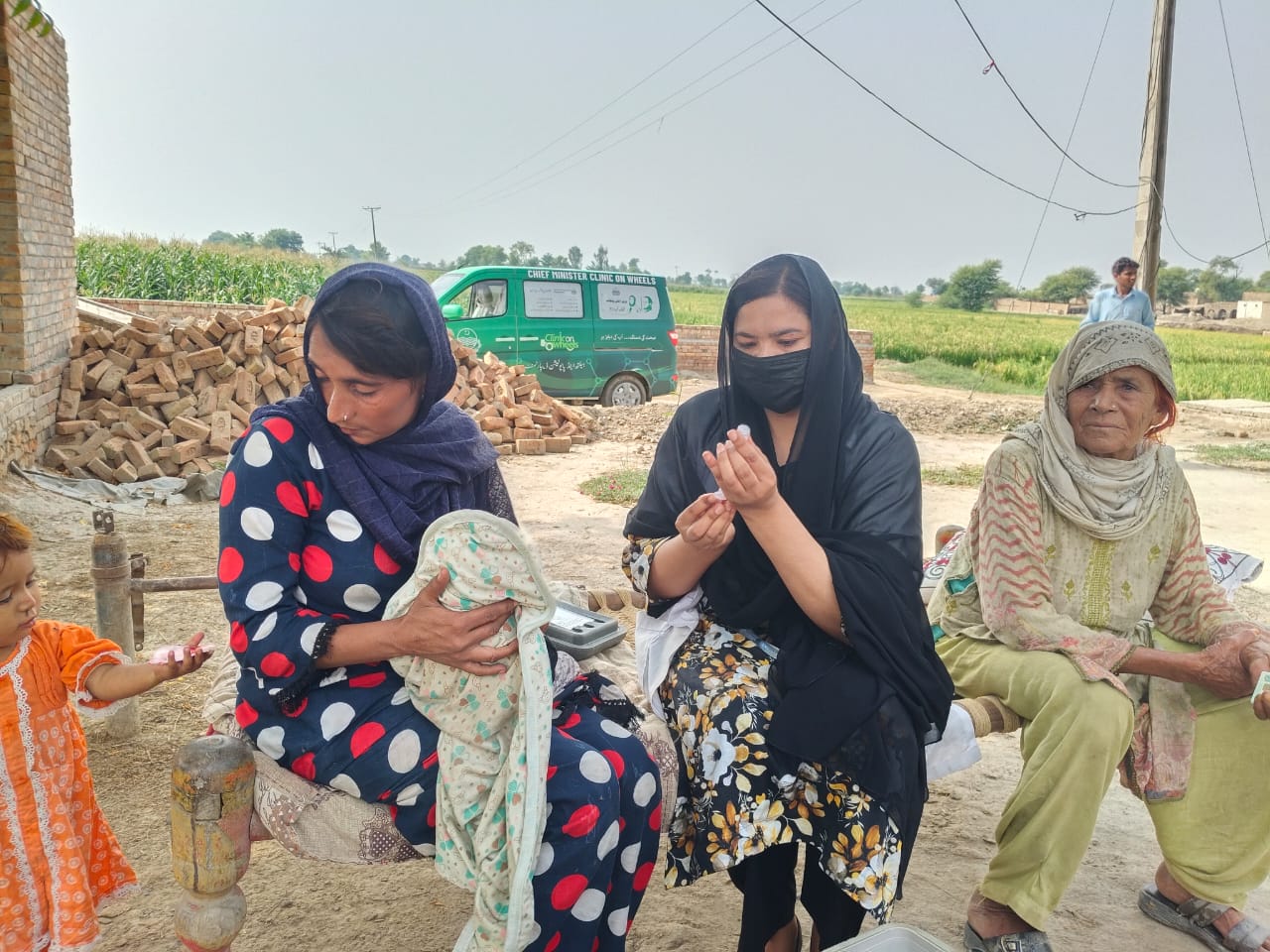
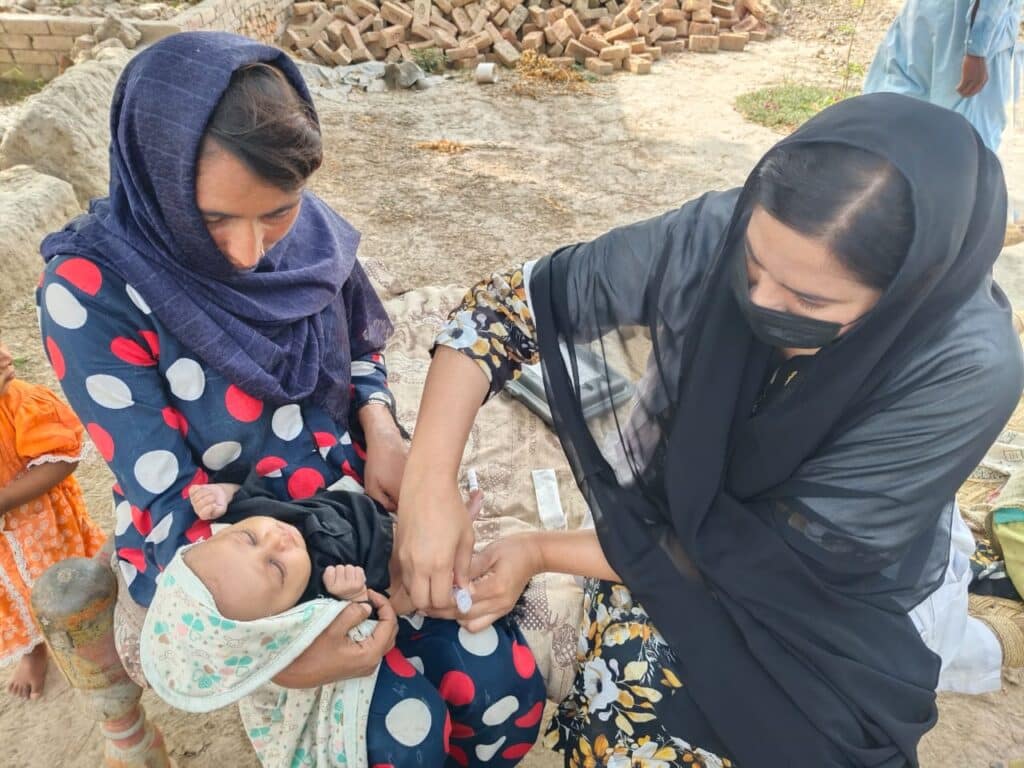
For the past decade, polio workers have worked tirelessly as part of polio campaigns. Their role involved going door to door, vaccinating children under five, speaking with families and addressing their fears or misconceptions. Alongside the polio drops, they were also engaging mothers in conversations about child and maternal health, answering their questions and providing referrals to health facilities when needed.
My role involved creating an enabling environment where workers felt safe, trained and motivated, and where communities could trust our efforts. This included providing training, addressing safety and logistical concerns, developing referral systems for zero-dose children and strengthening community engagement through awareness initiatives. Our approach was not limited to administering vaccines alone; we also positioned our teams as accessible sources of information for mothers and families, offering guidance on maternal and child health.
Overcoming the Obstacles
The polio eradication programme faced multiple obstacles, and the journey was far from easy. Security threats and community resistance often made vaccination campaigns difficult, with some households being hesitant, mistrustful or even hostile. Natural challenges such as floods and extreme heat further complicated the efforts of polio workers, making it nearly impossible at times to reach every child. In addition, the constant demands of the work brought fatigue and lower morale among teams.
What enabled the polio workers and the lady health visitors to overcome these challenges was resilience and strong teamwork. They leaned on the support of colleagues and supervisors who constantly reminded them that every single drop of vaccine mattered. By building trust with families through respect, active listening and patience, non-compliance was gradually reduced. Respecting people’s concerns, engaging in patient communication and maintaining a clear vision of a polio-free district were key strategies that guided us through these difficulties.
A Ripple Effect Beyond Polio
Beyond vaccination, these visits created new spaces of trust and dialogue. Families began to see us not just as polio workers, but as accessible health advisors for their children and themselves. Especially women started asking us about maternal and child health issues and over time, many of them began making more informed decisions about their own and their children’s health. This ripple effect went beyond polio eradication and contributed to empowering women in health decision-making within their households.
The polio programme thus contributed not only to disease eradication but also to strengthening community health awareness and advancing women’s empowerment in healthcare decision-making. True impact is achieved when people trust the system, when workers feel empowered and when the vision of better health unites everyone.
Navigating Barriers with Strategic Vision
The journey was fraught with obstacles, both professional and strategic. Entering the male-dominated field of Internal Medicine, I consistently needed to prove my expertise and authority as a young woman, where male counterparts were often granted automatic legitimacy. Perhaps the most complex challenge was navigating institutional inertia. Founding an organization like PSIM or integrating a global program like the RCP Women’s Leadership initiative required me to shift from individual expert to coalition-builder. The obstacle was no longer a lack of knowledge, but a lack of consensus and infrastructure. I overcame this by focusing on creating tangible value through pilot projects that turned skeptics into stakeholders and built the momentum needed for large-scale change.
25 Years of Protection: A Shared Victory
The results of our collective efforts have been remarkable. Bhawalnagar has remained polio-free since the year 2000, marking 25 years without a single polio case. This achievement is not because of a single polio worker but the shared victory of all workers, health professionals and community members who joined hands for this cause. Thousands of children in Bhawalnagar are now protected from polio, giving them the chance to grow up healthy and strong.
The success of Bhawalnagar in remaining polio-free for over two decades stands as a testament to the power of collective effort and the importance of never losing sight of the larger goal. Holding onto the larger vision of a polio-free Pakistan gave us the strength to persevere, even in the most difficult circumstances.
Lessons in Leadership and Perseverance
If there is one lesson I have learned, it is that perseverance and empathy are the strongest tools of leadership. Change does not happen overnight; it takes continuous effort, trust-building and sacrifice. I also learned that women play a unique role in health leadership at the community level: their ability to connect with mothers, reassure them and guide them has been crucial in the fight against polio.
Leadership in public health requires persistence, empathy and the ability to support both teams and communities. To anyone on a similar path, I would say: believe in your mission, never underestimate small actions and remember that even in the face of challenges, your work can create generational impact.