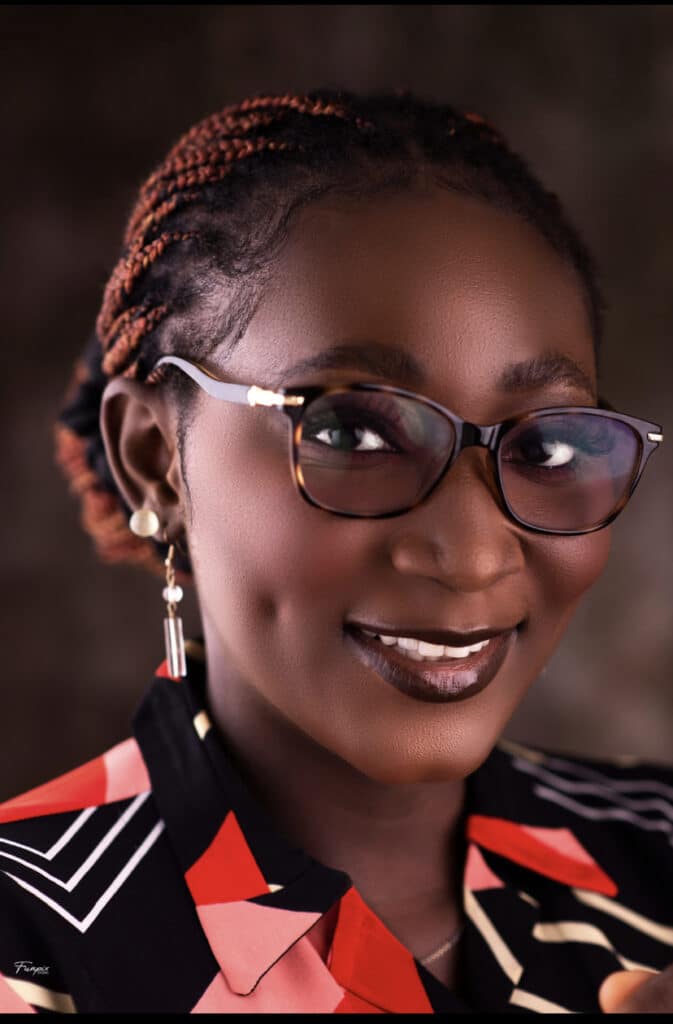
Prudence Enema is a health advocate and communicator specializing in Sexual and Reproductive Health Rights (SRHR), governance, leadership, and decision-making. Her work embodies the resilience and determination to turn personal loss into advocacy, proving that maternal health is not merely a medical issue — it is a human rights issue demanding voice and action.
The Day Fear Lost Its Voice
For years, I let fear hold the microphone. I was the quiet girl — the one who got bullied, the one who never spoke up, the one whose voice shook even when her thoughts were strong. I grew up believing silence was safer than expression. But life had other plans for me.
My journey into advocacy didn’t begin with passion. It began with loss.
As a child, I lost a maternal figure — my beloved primary school principal — to childbirth complications. She was the mother I didn’t have, a woman who poured into me when I had very little. Her death shook me. I didn’t understand all the medical reasons at the time, but I understood what it meant to be robbed by something that felt preventable.
Years later, I faced another loss. Another loved one gone because of poor access to healthcare. This time the grief felt familiar, but my perspective was sharper. I realized it wasn’t just fate. It was failure — of systems, of leadership, of priorities. That pain became my push.
At first, I only thought about healthcare access. Gender equity wasn’t yet my lens. But the more I learned, the clearer it became that gender runs through everything — from who gets to make choices about their body, to who accesses information, to who survives childbirth. And that’s when it clicked: my voice mattered, and it could no longer stay quiet.
From Silence to Speech
Even with a background in communications, stepping into health advocacy came with imposter syndrome. I wasn’t a doctor. I hadn’t had children. I didn’t feel “qualified.” Add to that being young and female in rooms where credibility is measured by age or title — and you get the picture.
But I pressed on. I applied for fellowships. I showed up. I listened. I learned. And slowly, I began to speak. To write. To create.
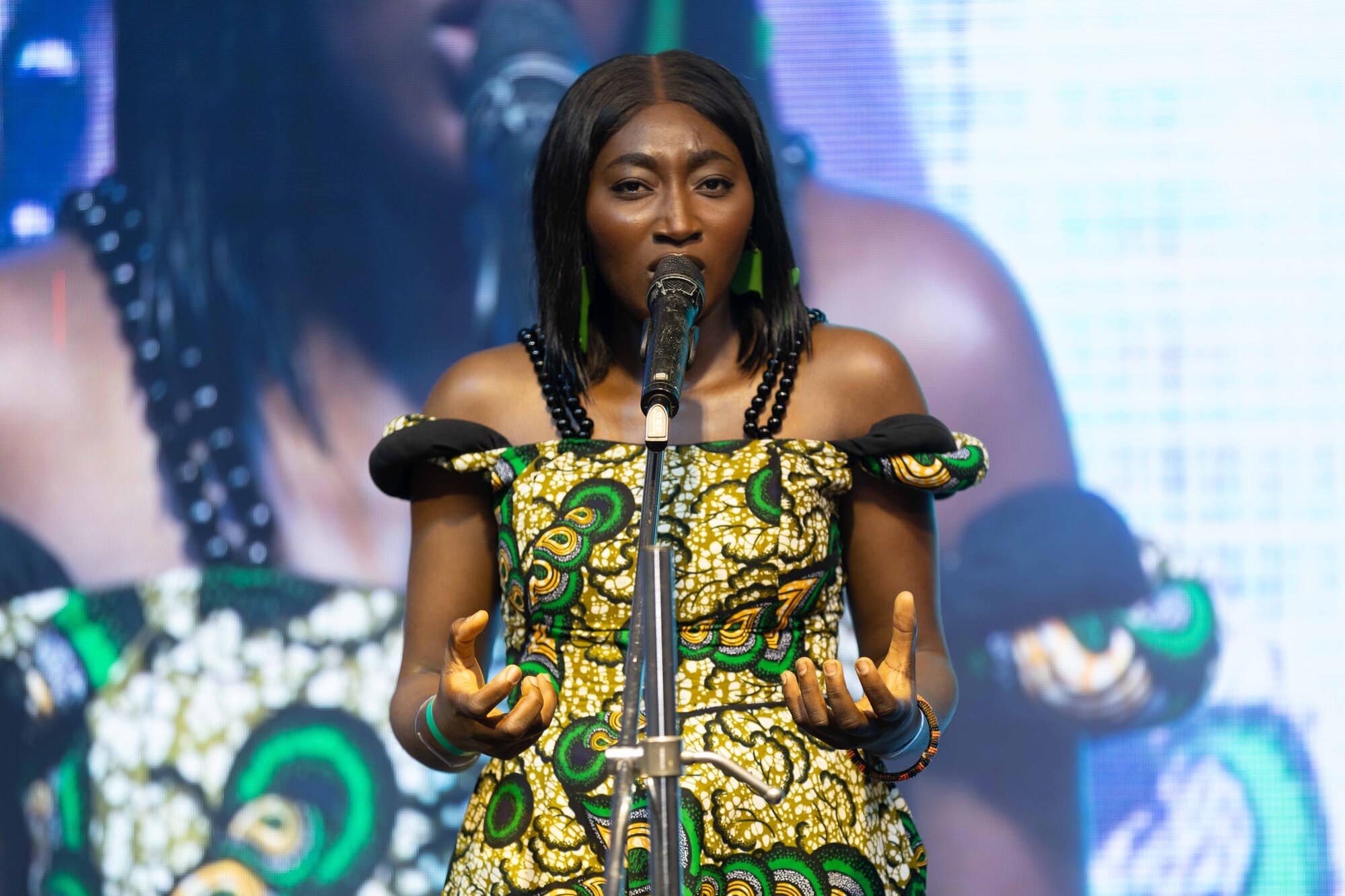
My articles — especially on people living with disabilities — caught attention, sparking responses from national stakeholders. My poetry, performed at events like the Celebrating Womanhood Art Gala, resonated deeply with women who approached me afterward saying, “You spoke for me.” For a girl who once feared her own voice, that meant everything.
One of my proudest moments was watching years of effort — volunteering, working while studying, pushing through rejection and fear — culminate in an interview for a dream job. Landing it felt like the universe was whispering back, “You’re exactly where you need to be.”
But the road was not smooth. Funding delays stalled my graduate education. I doubted myself often. For a long time, it felt easier to create for others than to create for myself. But then came a fellowship that changed everything. It pushed me to take myself seriously — not just as someone supporting others, but as a leader with a vision.
Writing as Resistance
Today, I work closely with young girls, helping them find the courage to use their voices earlier than I did. I also write — not to impress, but to impact.
One of my most meaningful pieces told the story of Fatima, a young mother from northern Nigeria who died from postpartum hemorrhage after her husband forced her to remove a contraceptive implant. Her story was not fiction. It was real. It was painful. And it was a call to action.
That piece became more than words on paper. It became a vessel — not just of grief, but of truth. It reminded us that maternal health is not merely a medical issue. It is a human rights issue. And it reinforced what I believe with all my heart: women must lead the charge to protect women. Always.
My sister has been my anchor through this journey — holding my hand in the quiet seasons and cheering me in the loud ones. She reminds me that starting afraid is still starting. And each time I think of giving up, I hear her voice: “You’ve come too far to shrink now.”
If I could tell my younger self anything, it would be this: Don’t wait for permission. Don’t water down your truth. Call a spade a spade — even if your voice shakes. Because when you do it afraid, one day you’ll wake up and realize fear no longer owns your voice. And when that day comes, you become unstoppable.