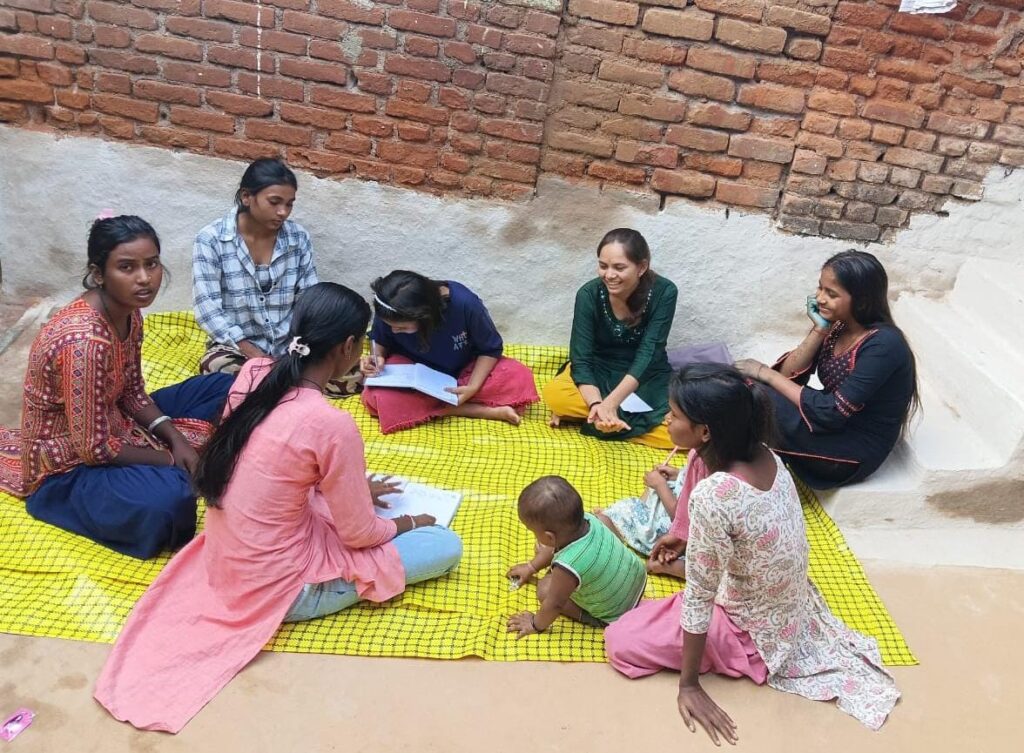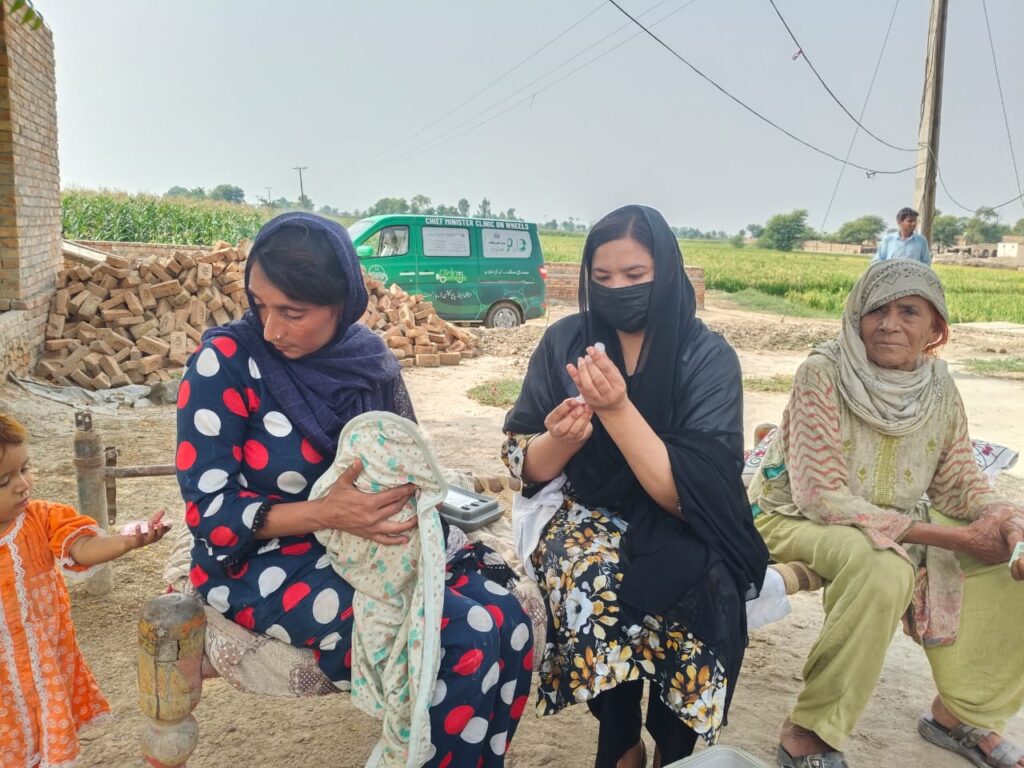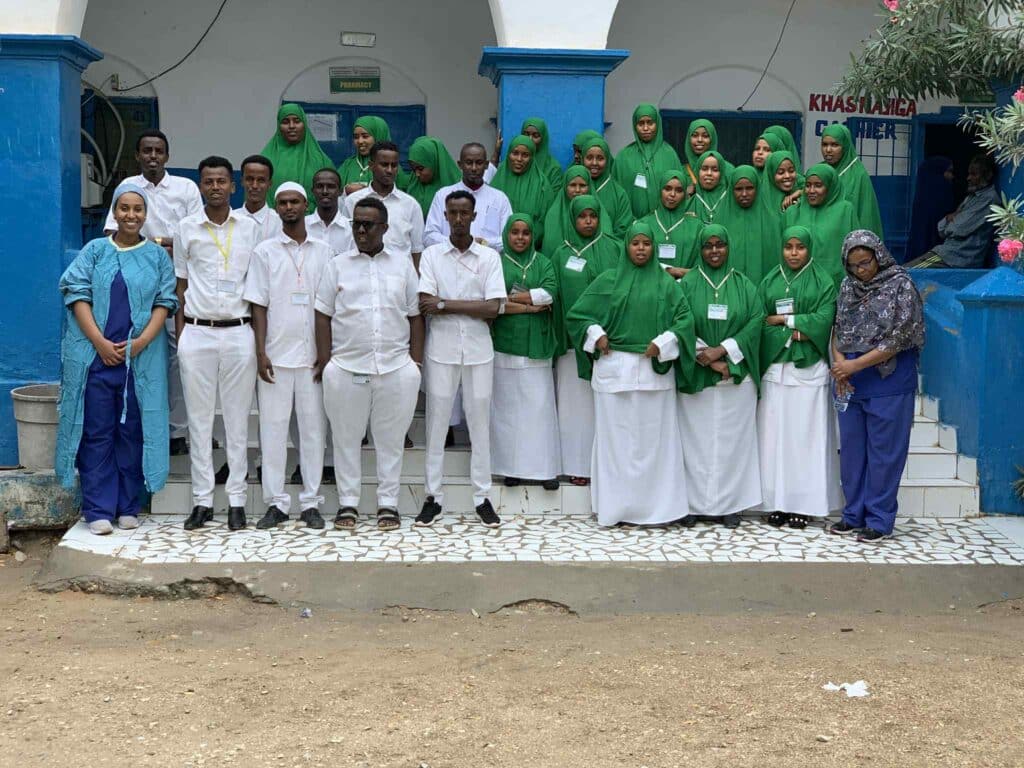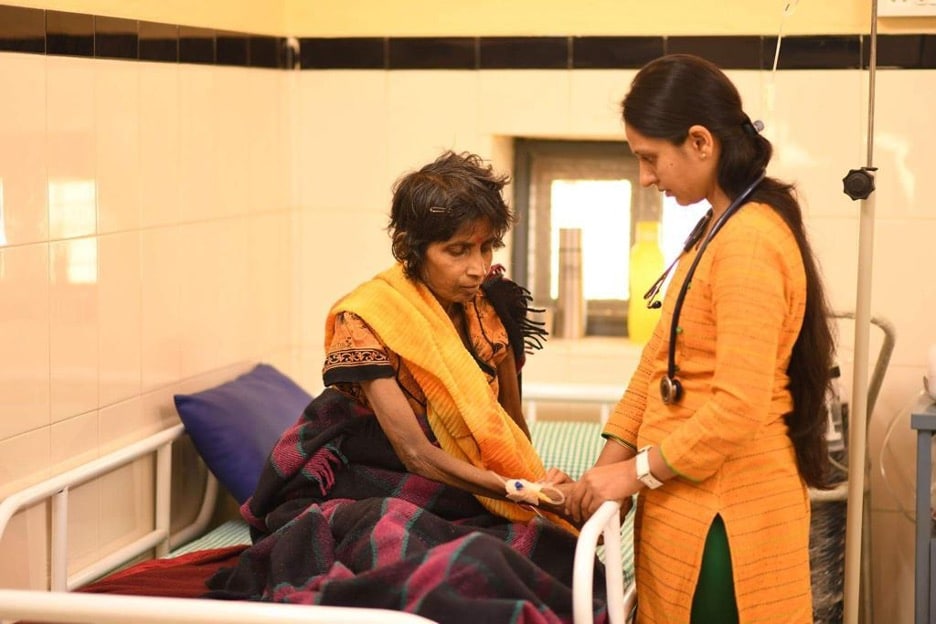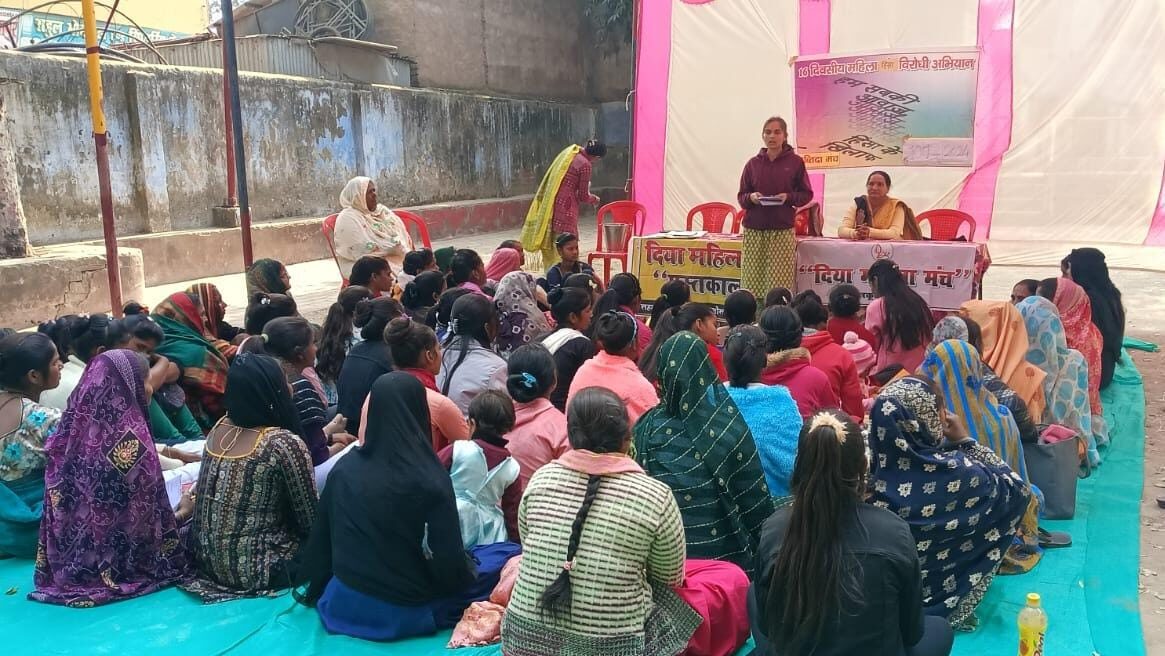
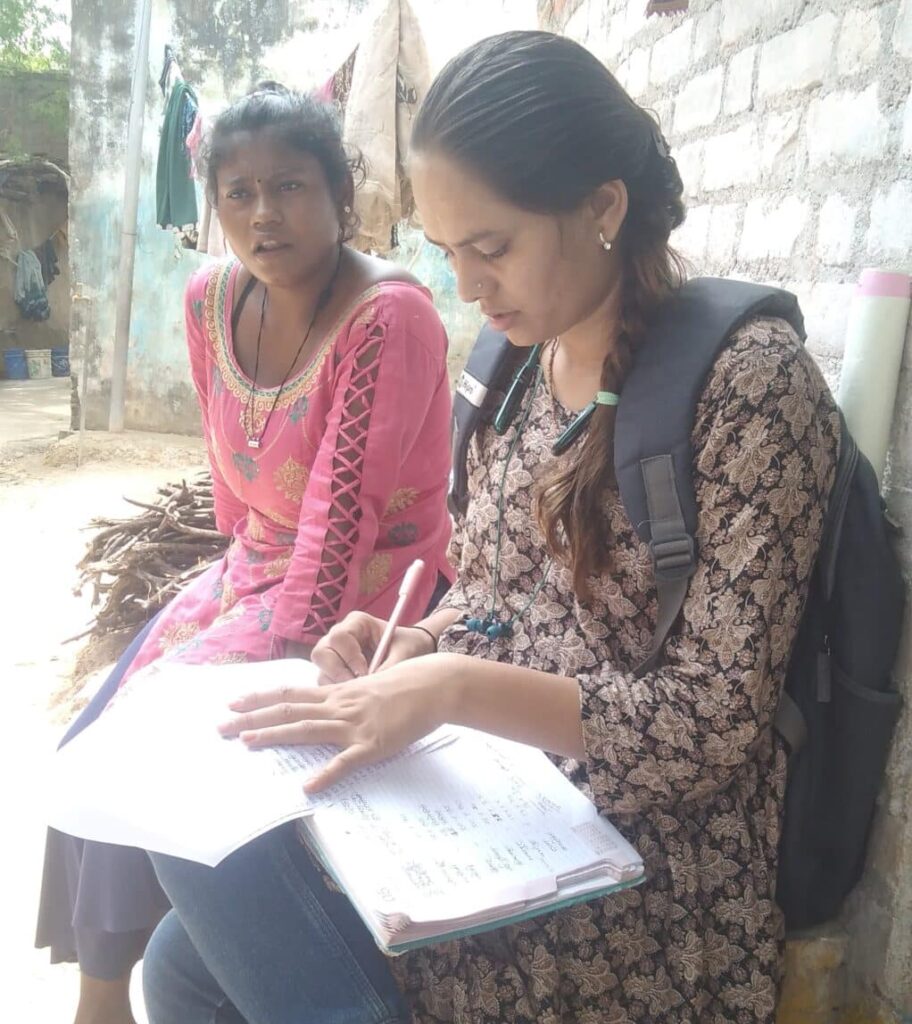
Lalita has been working as a volunteer for three years at a community-based organisation. During this time, she has become a strong advocate for the rights of adolescent girls, many a times in opposition to community norms and members. She has addressed issues related to adolescent health, gender-based discrimination, child marriage, menstruation, education, and connecting eligible individuals to government schemes. She is an active participant in the Chingaari capacity-building program, a collaboration between the International Center for Research on Women and WGH India.
From Awareness to Action
When I first heard about anemia five years ago, I didn’t realise the impact it could have on our health. I was unaware of what we were eating and drinking, and how it could be harming us.
That changed when a community-based organisation did an anemia test for me, and I learnt about what is beneficial and harmful to our bodies. The experience was eye-opening for me, I realized that I should spread this awareness to other women and girls too. That is why I decided to join the organisation and work on health and other gender-based issues.
My mother was associated with the organisation first. She wanted me to continue studying but to also get information about health and other related issues. I have been working as a volunteer with the organisation for three years now.
Over the years, I have realized the importance of raising awareness about health issues in the community. This is because in our homes, our health often doesn’t matter as much. When we fall sick, family members say, “You’ll get better on your own.” We try home remedies and wait for things to improve. But when it’s their sons or brothers, the care comes immediately. I see that difference every day, and this is why I feel I should work for others’ health.
I believe I have become more aware now. I can confidently tell other women and girls in the community about what is important with regards to their health and what is not. This in turn has a huge impact on the food we eat, the clothes we wear, and everything else in our lives.
“Even when it hurts, I keep doing my work”
I always speak up – for myself, for my colleagues, and for girls and women in the community. Even though I get a lot of support from people, being a young person who is a strong advocate for equality and justice is not easy.
Sometimes, my work is not appreciated in the community and met with criticism. Once someone called my mother and said, “Lalita works well but she also talks a lot.” People in the community also gossip about our work, how we dress, how we walk and how we speak. They even say, “These girls are not good. They keep roaming here and there, they speak in English and walk like foreigners.”
Sometimes I feel very bad on hearing these comments. On some days I feel I should leave everything and sit at home, maybe that will be better. On such days, when I don’t want to work, my father encourages me and tells me that it is important to work. I also think that I have been doing this for so many years. I am learning something. Even if they don’t give me any importance, I should do my work. I remind myself that the work I do is important and it matters.
The Everyday Acts of Gender-Transformative Leadership and Resistance
I believe that through my work and actions, I am a leader both in my organisation and my community.
My work in the community focuses on health and hygiene, conversations that are often taboo to speak about. We talk about cleanliness, to cover the drinking water and to keep the house tidy. We also talk about periods – how to use pads or cloth safely, how to keep yourself clean, and how to dispose of things properly. There are many myths in the community that if pads are disposed of in certain ways it will lead to infertility or it will lead to a sin. We work on shifting these beliefs that have been passed down through the generations.
Alongside awareness and education, I have also supported the safety and rights of girls around me. I learnt that a teacher misbehaved with several girls at a local school. I started gathering evidence by speaking to the girls. I also introduced sessions on ‘good and bad touch’. I feel sometimes as children we do not realise that we have been sexually harassed or abused. After this, a few girls came forward and told us about their experience. We now keep in contact with the girls regularly.
While I was committed to working with the girls and ensuring their safety, I was scared. I was afraid someone in the community might say, “Don’t you think you have started flying too high?” I was also scared that if the teacher finds out or if I confront him, he might hit me, and it will turn into a big fiasco. However, after helping the girls, I felt good.
I have also helped to stop the early marriages of a few girls. I have spoken to the parents of girls who want to study more and who want to work instead of getting married off. We encouraged the parents to let the girls continue their education and to get involved with our work.
Over time, I have also become a mentor to the young and new joinees in my organisation. I really enjoy explaining reporting procedures and the work to those who are still learning. Often they come to me and say, “Sister, I do not understand this, can you explain it to me?” I keep helping everyone or doing something or the other for them. I also encourage them to speak the truth and to stand up for what is right. I always tell them that it is okay to disagree with people and I teach them how to put their thoughts across to them.
Through my everyday actions, I have become a leader – not through authority, but through empathy and belief. I keep showing up for others and speaking for what is right, even when it is hard.
Words of Inspiration
I would like to tell young girls and women that they must focus on completing their education. As they learn more, they should reflect on what path they want to choose in the future, whether it is becoming a teacher, a doctor, working at a bank, or a social worker in their local community.