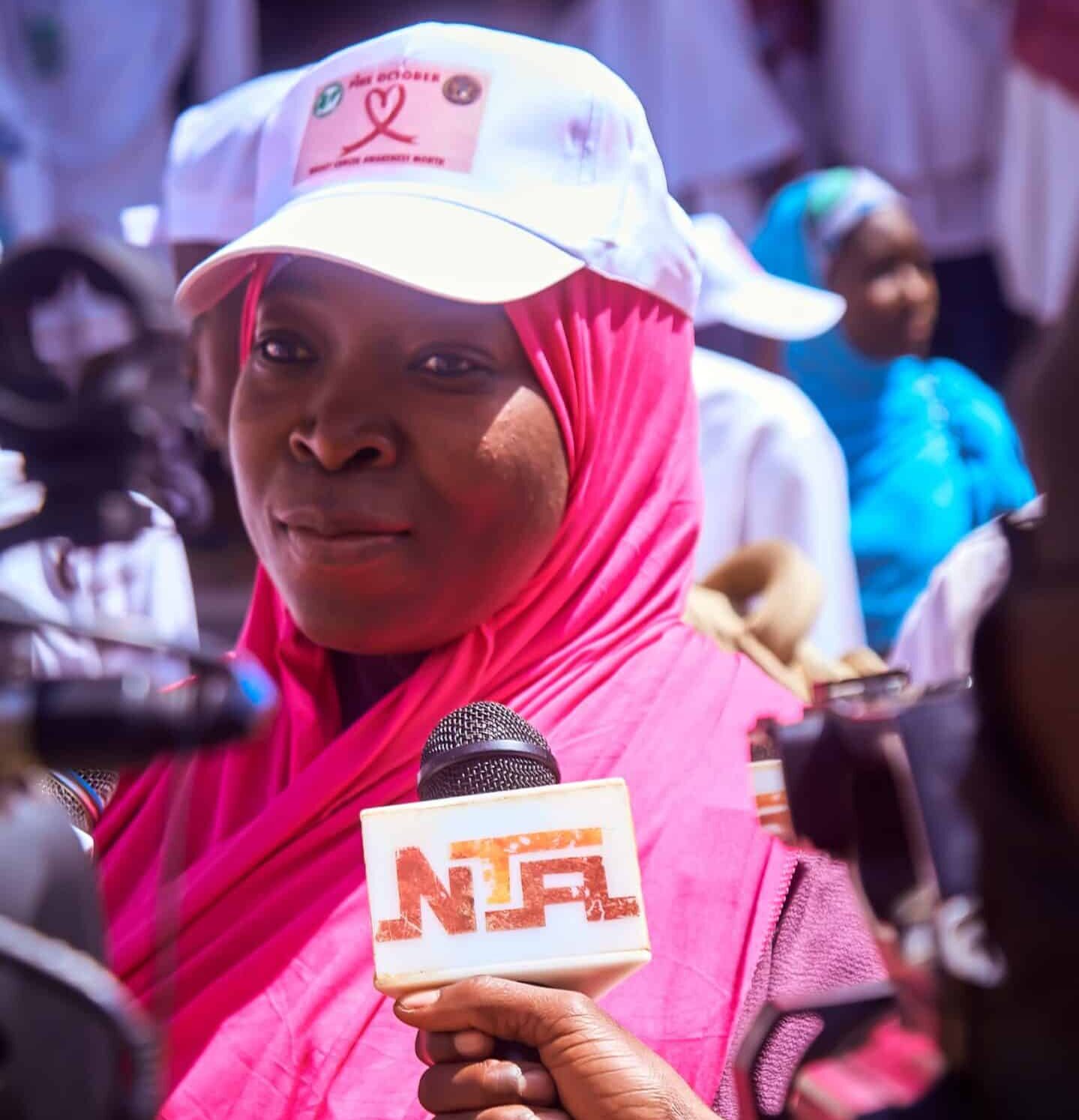
Dr. Amina Mohammad Hassan is a dedicated Medical Director and General Practitioner from the WGH Nigeria Chapter. She advocates for SRHR, GBV prevention, and women’s leadership in health governance. Her story demonstrates the resilience and leadership required to break cultural barriers and build healthcare systems rooted in dignity, justice, and hope.
A Silent Clinic, A Loud Truth
In 2019, when the Sexual Assault Referral Centre (SARC) opened its doors in Zamfara State, I had no idea how deeply the work would shape me, or how much I would be called to shape it. As one of only two doctors assigned to the center, I quickly realized that this would not be just a job — it would become a calling.
The center was designed to be a safe space for survivors of sexual and gender-based violence (SGBV): a place where women and girls could tell their truth, find medical and emotional support, and begin the journey toward healing. But as the days passed, silence hung heavy over the clinic. Few came forward. In a society where speaking up about sexual assault is often met with accusation, shame, or outright hostility, survivors stayed away.
Those who did summon the courage to step through our doors were often met with another kind of betrayal — systemic failure. Medications were missing. Consumables ran out. Funding was inconsistent. We could not provide the level of care survivors desperately needed.
The thought of failing them was unbearable. My heart ached each time I saw the gap between what was promised and what was possible. A place of hope was becoming a symbol of scarcity, and I could not look away. I knew something had to shift. And someone — however young, however unprepared — had to make a bold move.
Speaking for the Voiceless
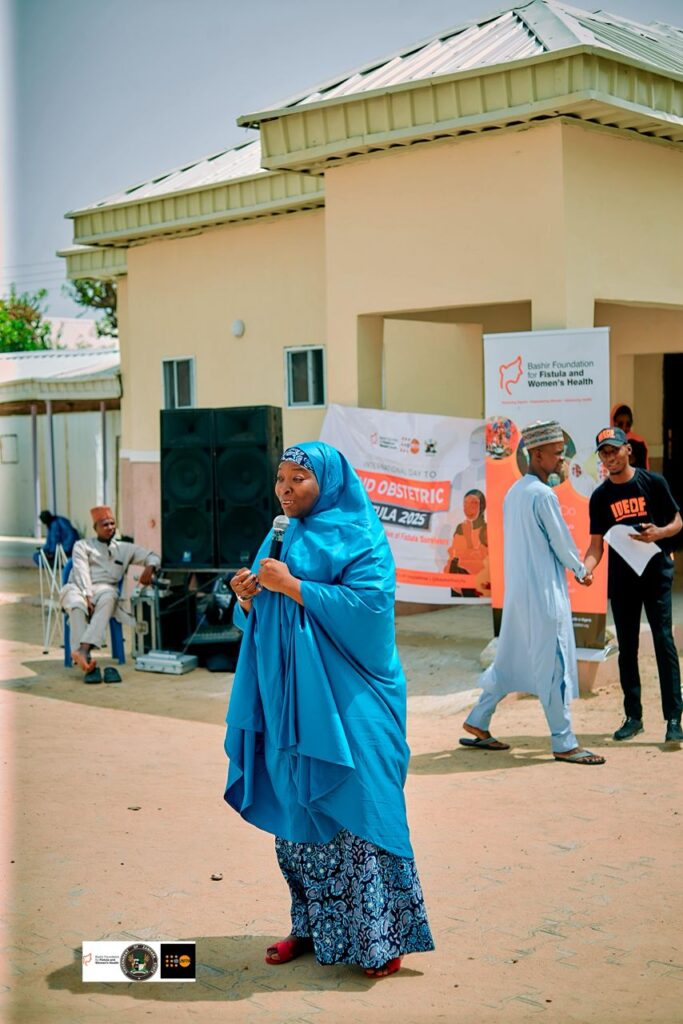
Driven by conviction and bound by the Hippocratic Oath, I took a risk many warned me against. I prepared a detailed presentation on the state of the center — complete with data, real cases, and evidence of systemic gaps — and requested a meeting with the Permanent Secretary of the State Ministry of Health.
I was a young woman. A junior doctor. An unlikely challenger of an entrenched system. But doubt had no place when the stakes were women’s lives. That day, I chose to speak not for myself, but for every woman silenced by stigma and every survivor turned away by scarcity.
That presentation became a turning point. The Ministry responded with urgency. Drug supplies began to flow consistently. Consumables were replenished. Suddenly, the center was alive again, able to deliver the care it was always meant to provide. And once resources aligned with intention, survivors came. The silence gave way to stories, and statistics finally revealed the weight of the problem. The issue of sexual and gender-based violence could no longer hide in obscurity.
Our evidence laid the groundwork for advocacy, and soon after, Zamfara State passed the Violence Against Persons Prohibition (VAPP) Law. For the first time, survivors had not only a clinic but also a legal framework to protect their rights and demand justice. I was invited to serve as a state facilitator on SGBV, leading policy discussions, training professionals, and engaging communities in difficult but necessary conversations. From pleading for bandages to shaping laws — it was a full-circle moment.
Breaking Barriers, Building Systems
The journey did not end with a law or a restocked clinic. The current administration recognized the significance of our work and decided to invest further. A new, fully equipped, standard SARC is now under construction — a physical symbol of what once felt impossible.
In another historic shift, I was appointed the first female Medical Director of a General Hospital in Zamfara State. This appointment is not just a title. It is a responsibility, a call to serve on a broader scale, and a platform to strengthen health systems, mentor young professionals, and deepen advocacy for survivors.
Yet the path has been far from smooth. There were days when silence from policymakers felt deafening. There were moments when cultural barriers and gender bias seemed immovable. There were times when I questioned if change was truly possible. But each survivor reminded me why I could not — and should not — stop. Every girl who walked through our doors and found the courage to speak reinforced my own voice.
This journey has shown me that transformation rarely comes in a single, sweeping gesture. Change begins in quiet moments: an empty clinic that sparks a question, a presentation delivered against all odds, a conversation that shifts a policy. What matters is the courage to step into those moments, even when you feel unprepared.
I am proud to have walked through that door — and prouder still to hold it open for others.