Kripa is a trained Auxiliary Nurse Midwife (ANM) and she has been working in the fields of medicine and social work for several decades. During her illustrious career, Kripa has worked in NGOs as a pharmacist, team leader of nurses, a nurse, and as a grassroots healthcare professional, an educator, and a social worker. She is an active participant in the Chingaari capacity-building program, a collaboration between the International Center for Research on Women and WGH India.
A Journey from Inspiration to Purpose
I was inspired by my elder sister and mother to work in the development sector. My family has gone through a lot of difficulties, and there was a time when our household was in a bad shape. My sister is a trained nurse and she studied and worked hard to support the family. When I was growing up, I would see her getting ready to go to work with nice clothes and a handbag. I was inspired seeing her and thought I should become a doctor.
However, getting a medical degree requires a lot of studying and it was expensive. Given the financial situation of our household, I used to think, “Maybe I can’t become a doctor, but I can be a nurse.” While I had to drop out of my education for a while, I persevered and completed the ANM training. My sister played a huge part in my journey – she constantly encouraged me to complete my school certifications, to focus on my practical training, and to pursue my dreams. I was also fueled by the desire to support my mother. At that time, my sister was unmarried but I always wondered what would happen once she got married and moved to her in-laws’ place.

Providing Health Where It Is Needed the Most
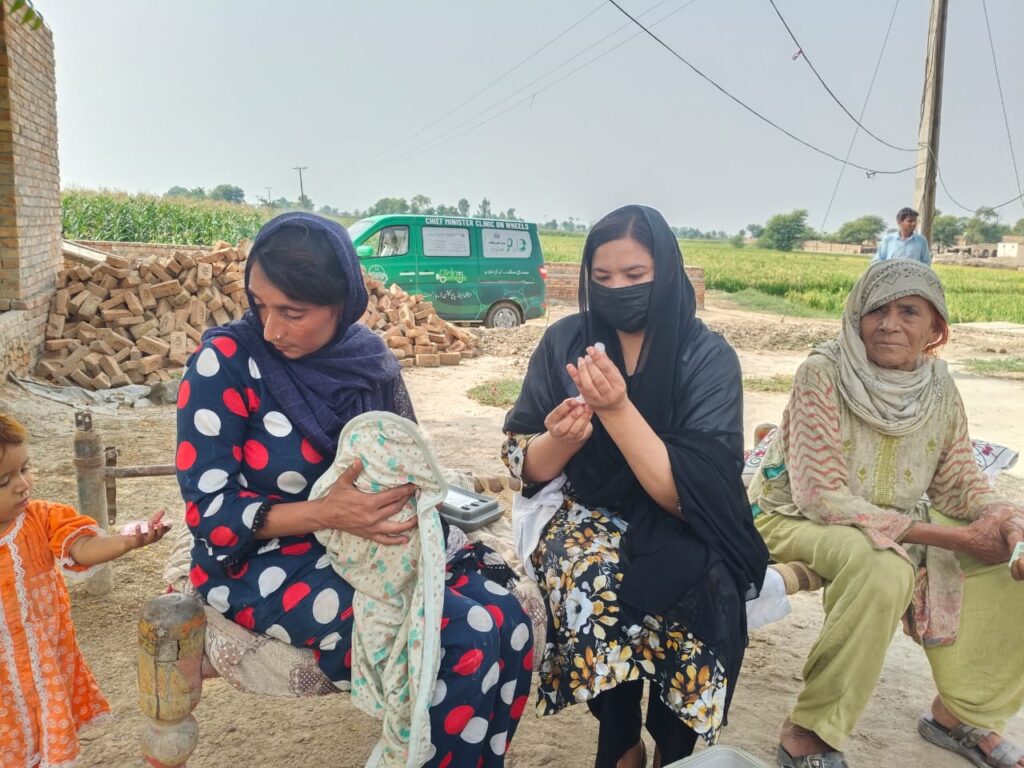
After I completed my education and the ANM training, I had a choice to make – either work in a hospital or to work in an NGO. I thought, “If I were to work in the hospital, it would involve me going to and coming back from the hospital daily. But if I go out and work in the field, where doctors are usually not able to reach, where there is no hospital facility, where there are no Aanganwadis (rural child and maternal care centers), where there are no Accredited Social Health Activists … I’ll go and work there with the doctors.”
Consequently, I decided to work for the same NGO where my mother worked. The NGO ran a school for those with hearing and speech impairments alongside facilities for knitting, vocational training, a hospital, and outreach programmes. It gave me the opportunity to be trained by and work alongside highly qualified doctors in the field.
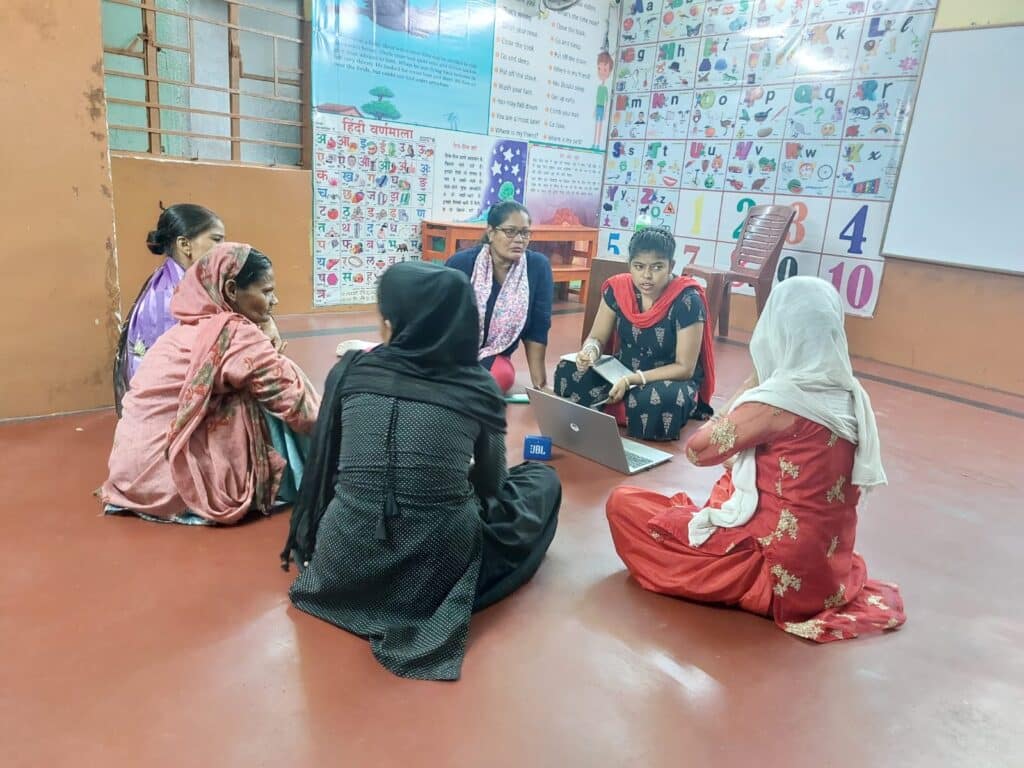
My journey has been driven by a purpose to serve the poor. My current role is also at an NGO, working with children from marginalised communities. We take children into the NGO from the age of five and we support them till they can stand on their own feet – from education till they start working. I look at the children’s nutrition and health concerns. I also do community and home visits through which I conduct capacity-building sessions and awareness campaigns with families, especially the mothers of our NGO children.
The organisation provides me with a lot of support to grow as a professional. It provided me the opportunity to learn computers and to work independently. I also get immense satisfaction working with the children who are part of the NGO. While at my previous organisation I saw instances of discrimination between senior and junior professionals, I have never been discriminated against here. I believe that my work is valued and recognised.
Building a Community Through Care
The impact of my work is the great bond that I have created with the mothers through community and home visits. If any child has sudden fever or loose motion or anything of that sort, I am available on call 24×7. They know when to call and when to message – if it’s late at night, they drop a message, otherwise they call immediately. Then they say, “This is happening to my daughter, what shall I do?” or any problem which occurs, they share. So I am very proud to be a woman and to be working with them.
As long as I work, I would like to work in this kind of an NGO only. As long as I work, I will only serve people. I have pledged to work in NGOs only. I like to work in the field, listening to people, telling them my experiences, giving a good message.
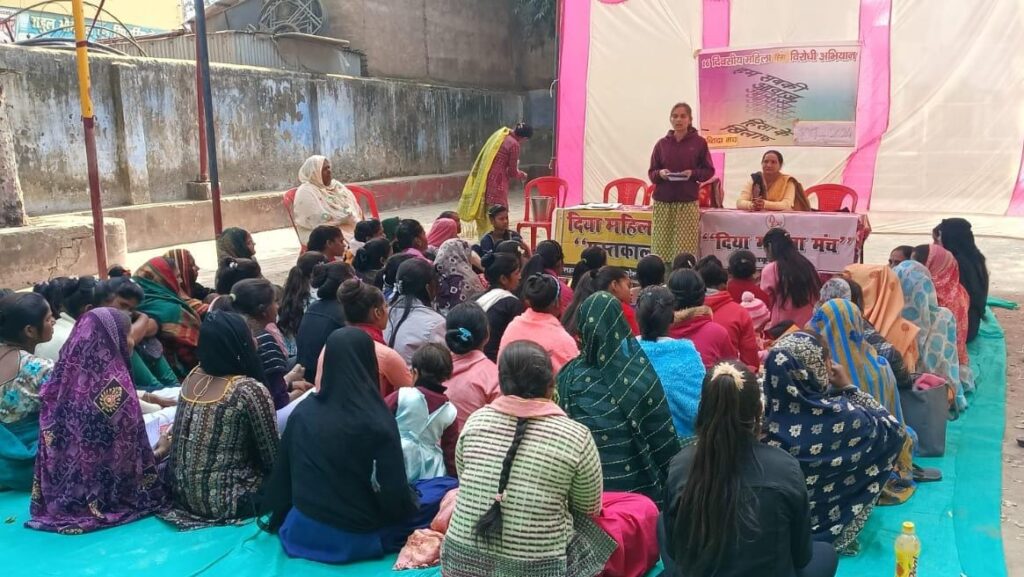
Right now, I would say making people more aware about education is something I truly like. At my current NGO, we spoke to parents a lot about education so that their children can do something. We say, “If your child studies, learns something, takes on trainings, they will earn and be able to buy their own land.” I have so much experience working with community members and I would like to continue doing so as long as possible.
Words of Inspiration
I would like to advise parents to encourage their children to study so they can become independent and stand on their own feet. In particular, I hope that no young girl is forced to get married young, before they are ready to and willing to do so. Girls should get the choice of when they want to get married and this should only be after they have achieved something and become someone they wish to be.