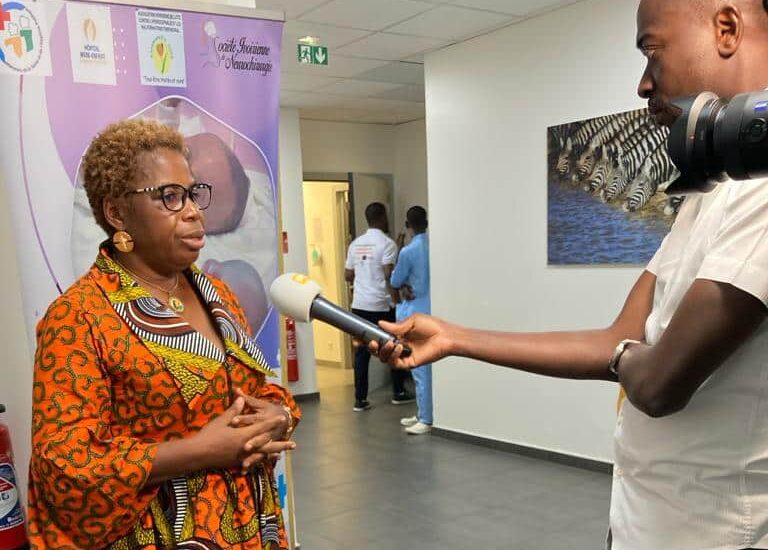
Dr. Alia Broalet is an associate professor, neurosurgeon, and anatomist based in Côte d’Ivoire. As head of department and former head of pediatrics at Yopougon University Hospital, she champions maternal and child health while breaking gender barriers in surgery. Her work addresses nervous system malformations and inspires women to enter neurosurgery.
Breaking Barriers in Neurosurgery
I work in a so-called “male” profession where women are naturally underrepresented. I needed to motivate women to choose this specialty. As a neurosurgeon interested in pediatrics, I became fascinated by malformations of the nervous system—conditions whose consequences for the child, the mother, and the family are catastrophic.
The turning point came in 2008. I am a neurosurgeon, anatomist, and research professor, also head of department. That year, I was put in charge of the pediatrics unit at the Yopougon University Hospital. From then on, I understood that there was something to be done, and I began
I Couldn't Look Away from Their Suffering
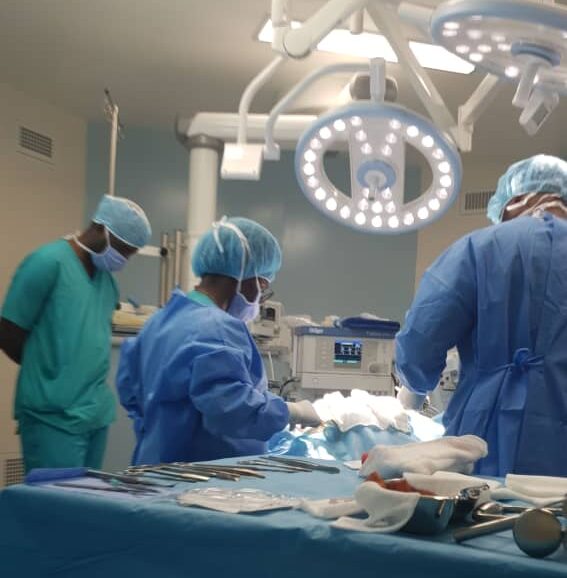
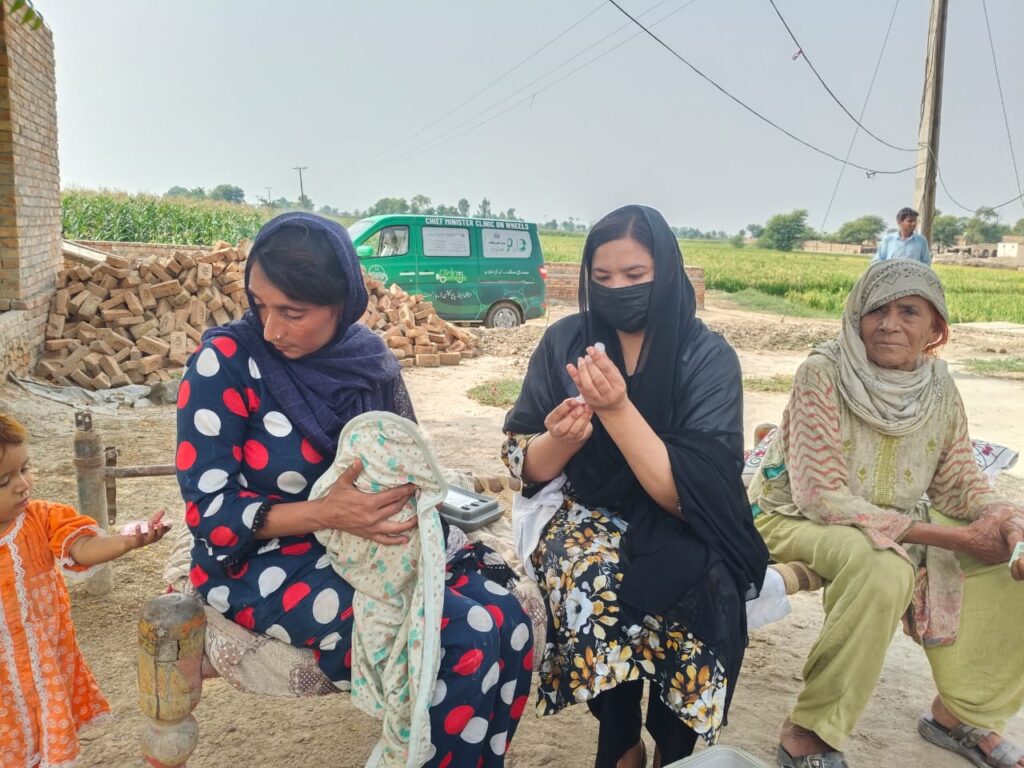
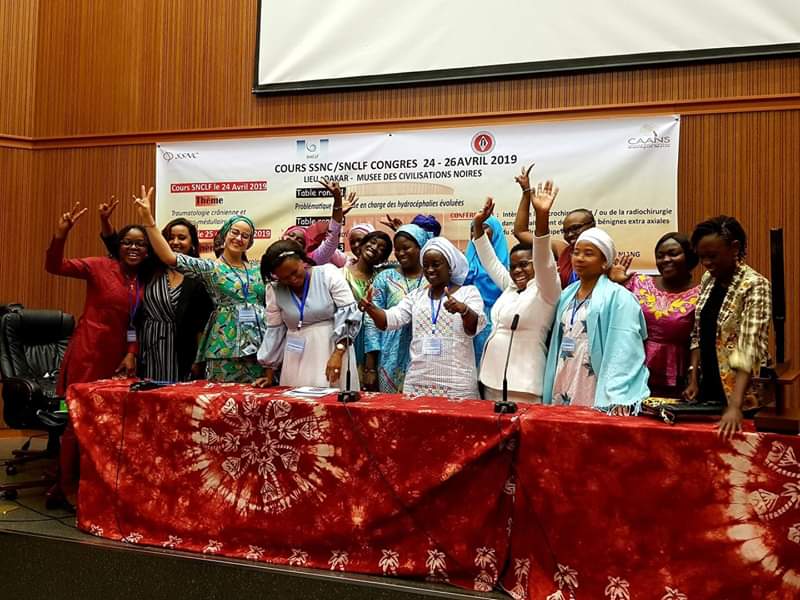
Confronted with the despair and suffering of mothers upon receiving their diagnosis, I established an association to raise awareness and understanding of these diseases and to help with their management. Since then, I have conducted numerous awareness and screening campaigns, training of health workers, humanitarian surgery for hydrocephalus and spina bifida, and advocacy with the authorities.
These various activities have undoubtedly had an impact on a personal, community, social, political, and health level. The challenges encountered were a lack of financial resources, cultural barriers, taboos surrounding these diseases, and post-operative complications. So we appealed to donors, established partnerships, involved traditional leaders and traditional practitioners in raising awareness, and improved aseptic conditions.
I used myself as a role model to impact and raise awareness among women
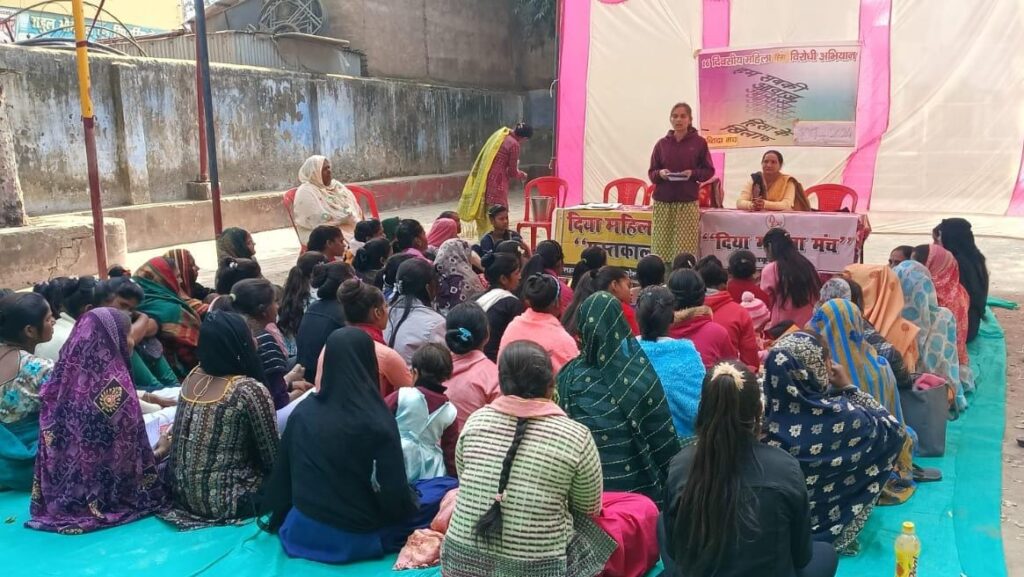
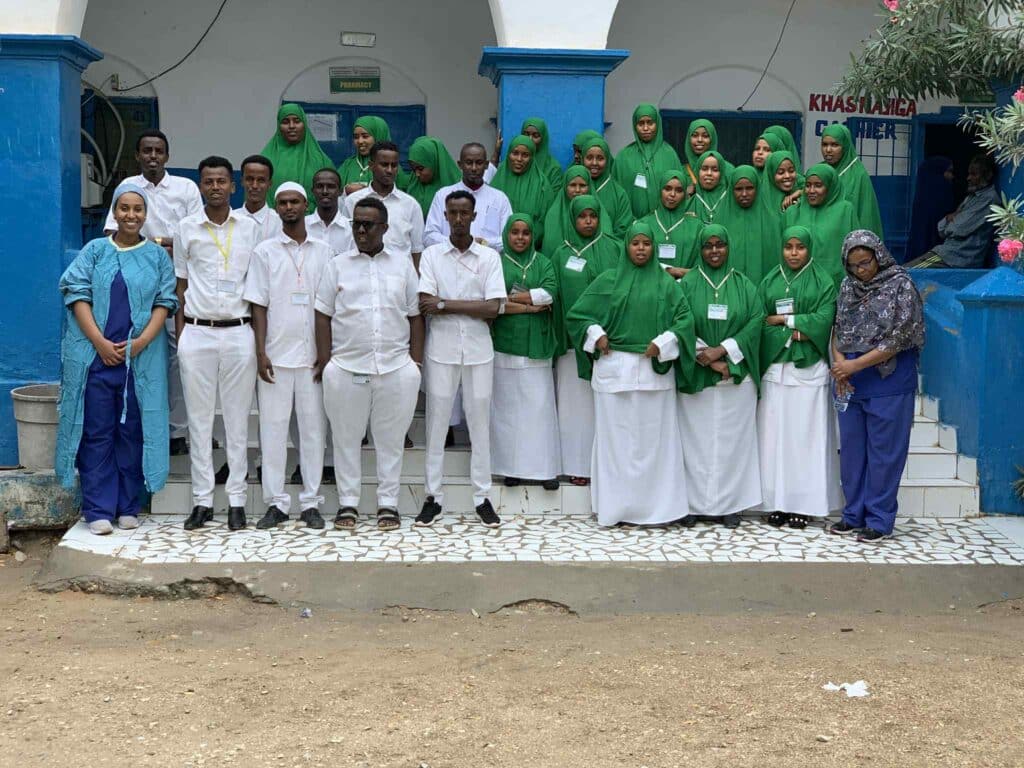
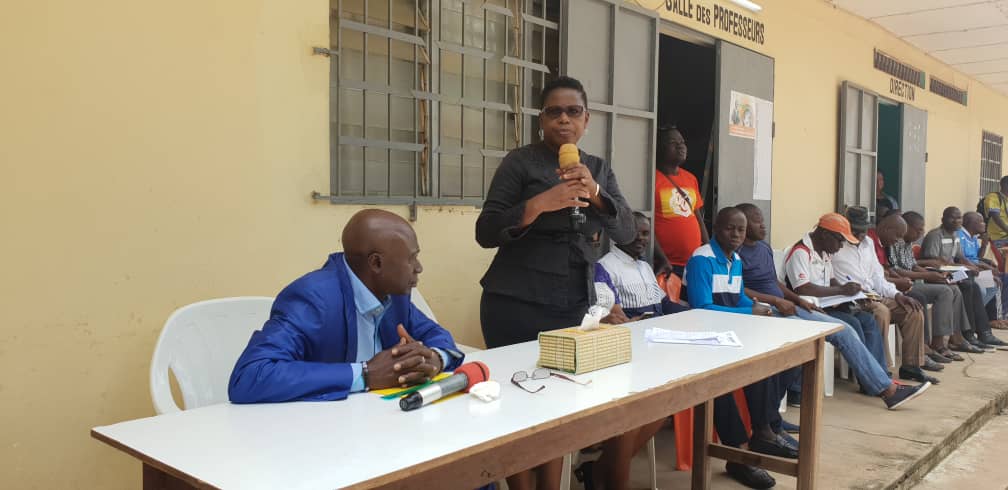
My involvement in the pursuit of gender equality came spontaneously from my workplace, where women are rare. I used myself as a role model to impact and raise awareness among women. I began bringing together women on platforms: surgeons, neurosurgeons, professors, and researchers. I conducted awareness campaigns in middle and high schools in Bouaké and Abidjan. I gave lectures at activities for young women, pupils, and students. I organized sessions dedicated to women at the Ivorian Neurosurgery Society conferences, with roundtable discussions on topics related to gender equality.
The impact was immediate, with a considerable increase in the number of women enrolled in the postgraduate diploma (DES) in neurosurgery. I didn’t really encounter any challenges here. Generally, I had the support of the populations concerned.
The work has had transformative impact on several levels: on myself—personal growth, sense of accomplishment, skills development, better understanding of the issues. On the community—improvement of gender disparity, better knowledge of nervous system malformations and ways to prevent them. On the social level—change in mentalities, increased solidarity among women and families. Political impact through advocacy on the healthcare system, increase in the number of female surgeons, strengthened prevention, access to specialized neurosurgery care, and training.
I was able to drive lasting change. The obstacles I faced—cultural reluctance, gender stereotypes, underrepresentation of women, gender-insensitive health policies—became fuel for progress. The lesson is simple: be constantly involved in what you do. Impact your environment when you hold a leadership position.