Eno Ethel Ambo is a Public Health Expert from Cameroon, specializing in Epidemiology and Community Health Promotion and an active member of the Women in Global Health – Cameroon Chapter. With a strong focus on empowering adolescent girls and young women, she combines her expertise in public health with grassroots advocacy to advance gender equity and strengthen access to sexual and reproductive health services in underserved communities.
Growing Up Alone as an Adolescent Girl in Rural Cameroon
The adolescent stage is the most sensitive stage in the life of a woman during which any decision made has the power to make or break their lives with consequences extending right into their future and by ripple effect on their children and the community. Losing my mother as an adolescent left me at the mercy of my choices and that of peers.
Experiencing the physical, emotional and psychological changes that come with growing up only made the experience more depressing and confusing. Relying on my poor decisions and misinformation from peers almost cost me my future including losing a good number of years out of school. Psychological and emotional trauma as a result of certain choices I made at some point almost cost me my life.
But surviving those struggles gave me the strength to change my story. Determined that no other girl should face the same isolation and ignorance I endured, I began volunteering with a grassroots organization. There, I designed and implemented youth-led projects to empower adolescent girls and young women with comprehensive sexuality education (CSE). My vision was simple but powerful: every girl deserves a safe, healthy transition into womanhood, free from the setbacks I once faced.
Helping 20,000 Girls Found Their Voice
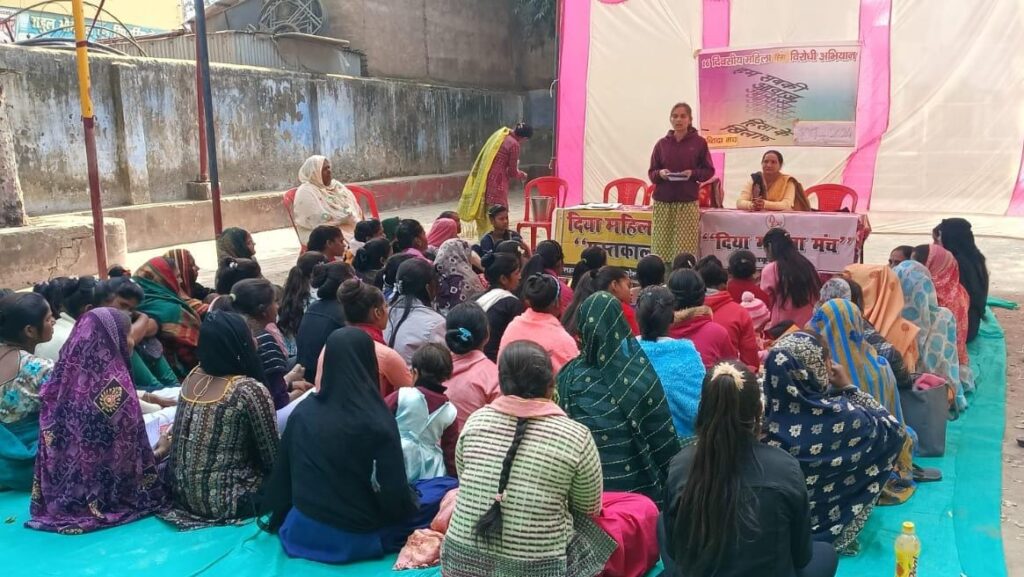
Over time, this vision became reality. I have successfully empowered more than 20,000 adolescent girls and young women in Cameroon, both in and out of school, with accurate CSE knowledge. Through community health campaigns and outreaches, we brought vital services closer to them. These programs boosted girls’ confidence, built their capacity to be assertive, and improved their knowledge of sexual and reproductive health (SRH) and gender-based violence (GBV). The impact has been significant: reduced rates of HIV/AIDS, fewer sexually transmitted infections, and a decline in unplanned pregnancies.
My work also extended to policy advocacy. I developed briefs calling for stronger gender-responsive SRH policies and pushed for effective implementation of existing ones. This experience opened the door to mentoring adolescent girls outside Africa, strengthening their ability to champion SRHR in their own countries.
The Consequences of Non-Existent SRH and GBV Programs on Adolescent Girls
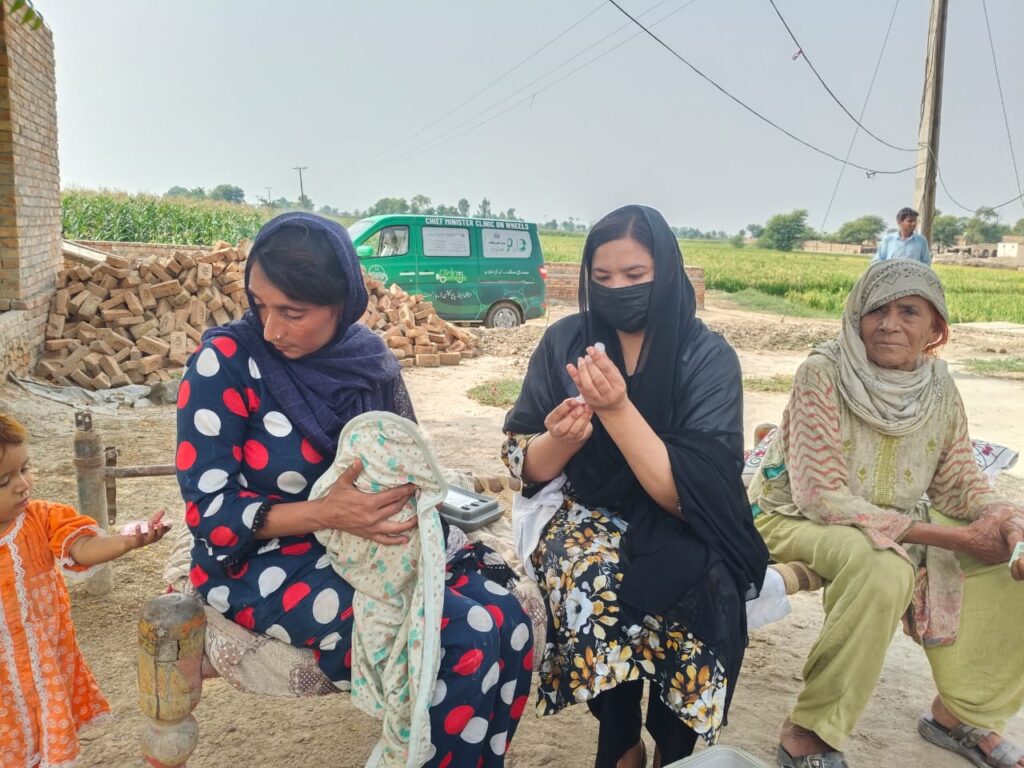
Alongside advocacy, I am a public health expert, working on disease prevention projects in hard-to-reach communities. I have led initiatives such as Vitamin A supplementation and malaria chemoprevention campaigns for children. It was in these same communities that I witnessed the greatest vulnerability among the children of adolescent mothers. These young girls, often excluded from national SRH programs and ignored by NGOs due to geographical barriers, carried the heaviest burden of disease and poverty.
Familiarizing myself with their struggles, I saw the gaps: lack of access to accurate sexuality education, lack of contraception and essential health services, and widespread gender-based violence, especially intimate partner violence. Many girls engaged in unprotected sex due to misinformation, leading to early pregnancies that left them traumatized. Others had their aspirations limited to farm work or cut short by child marriage. Poverty forced some to move in with men, only to face abuse, multiple unspaced pregnancies, and cycles of violence that eroded their mental health.
Finding Her Compass Network
These realities inspired me to create Finding Her Compass Network, a platform dedicated to closing SRH gaps for girls in hard-to-reach regions. The goal is to bridge the divide between policy and action, demand accountability, and shift power into the hands of vulnerable girls. By capturing and amplifying their stories, we not only highlight the consequences of systemic neglect but also position these girls as co-creators of solutions.
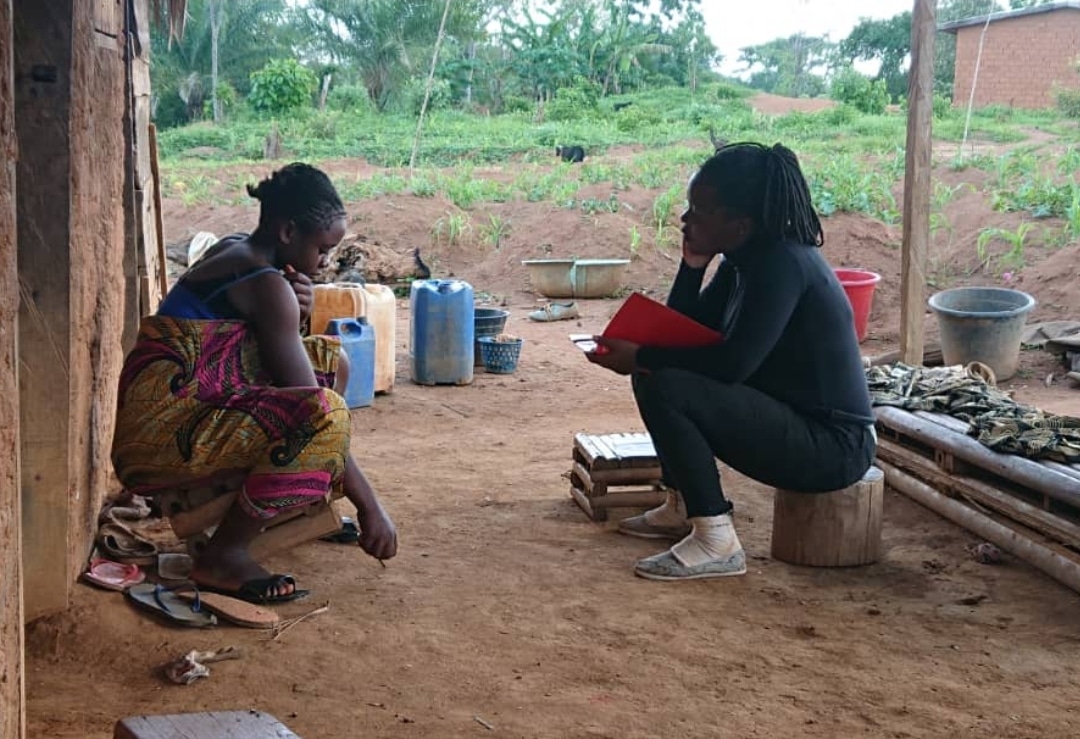
So far, I have collected 30 powerful, consented human-centered stories. Yet, I recognize that storytelling requires skill, ethics, and strategy to make an impact. That is why I welcomed the opportunity to be selected for a training in communication, storytelling, media engagement, and advocacy. With these skills, I will be able to tell the stories of these forgotten girls in ways that captivate audiences, inspire change, and demand urgent action to improve access to CSE, SRHR, and GBV services.
My journey began with silence and confusion, but it has transformed into a movement to ensure that every girl finds her compass, her voice, and her power.