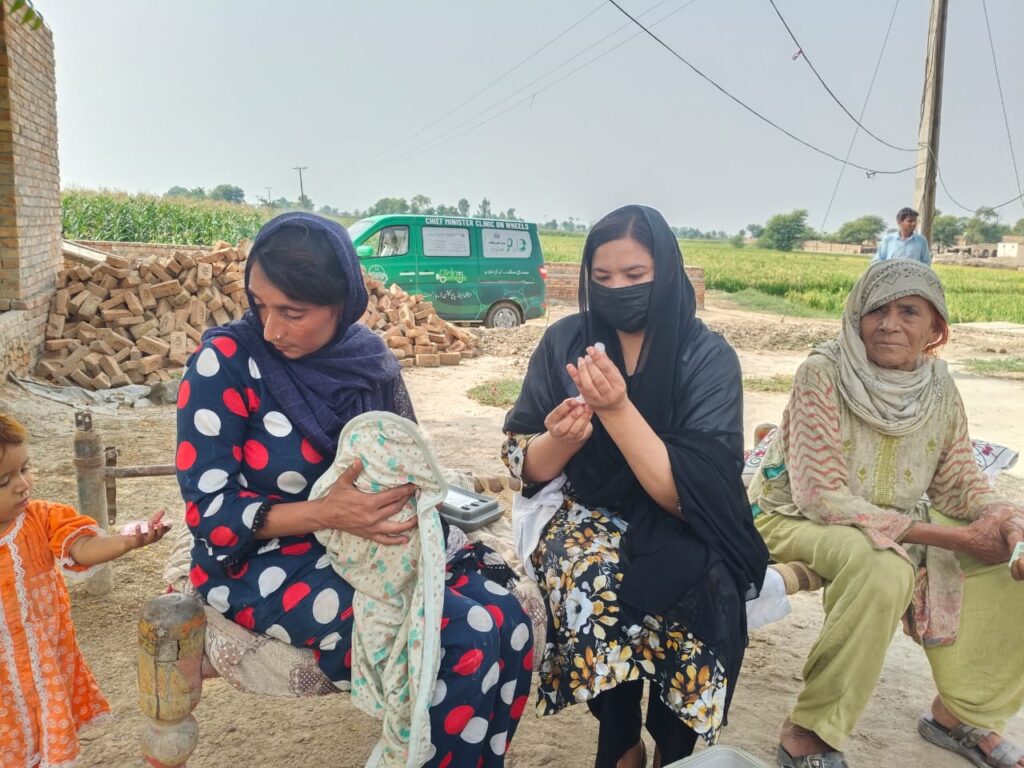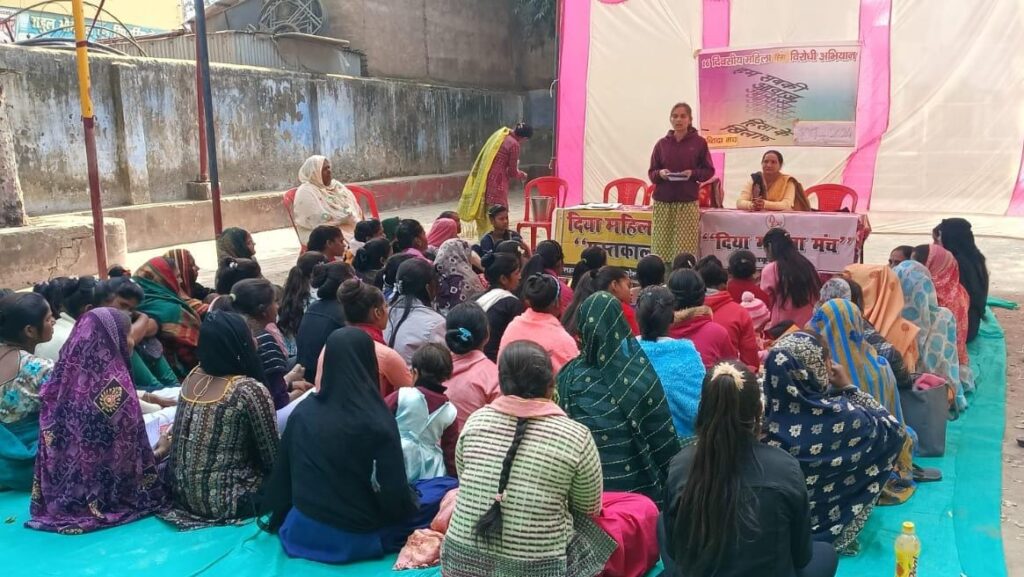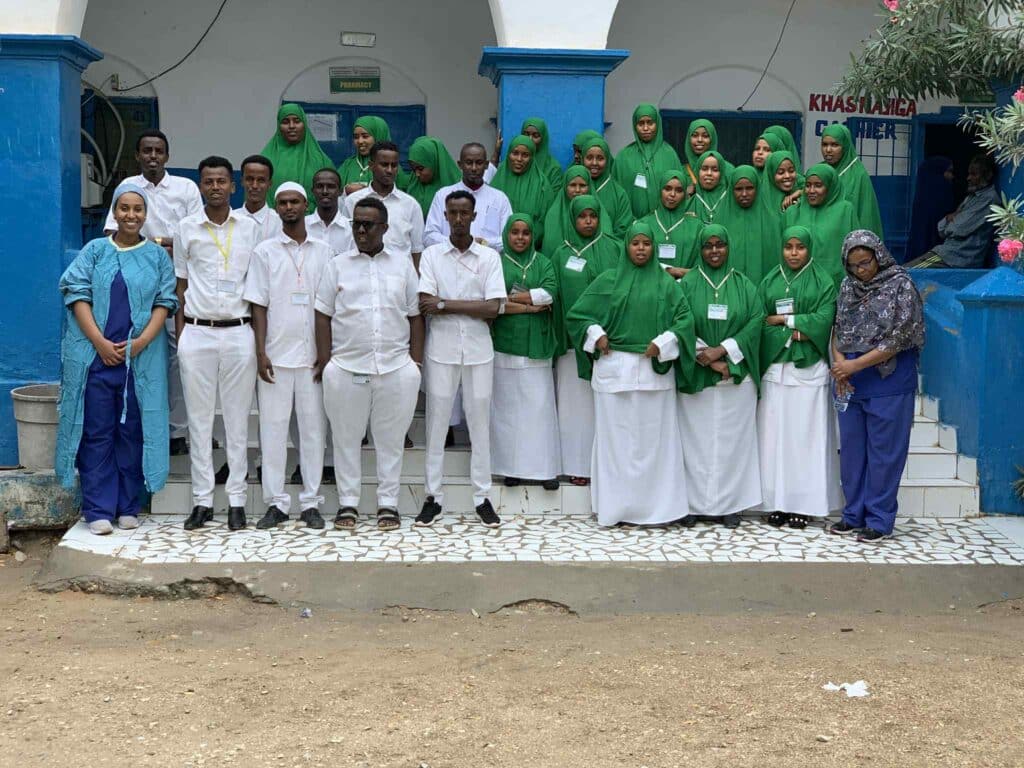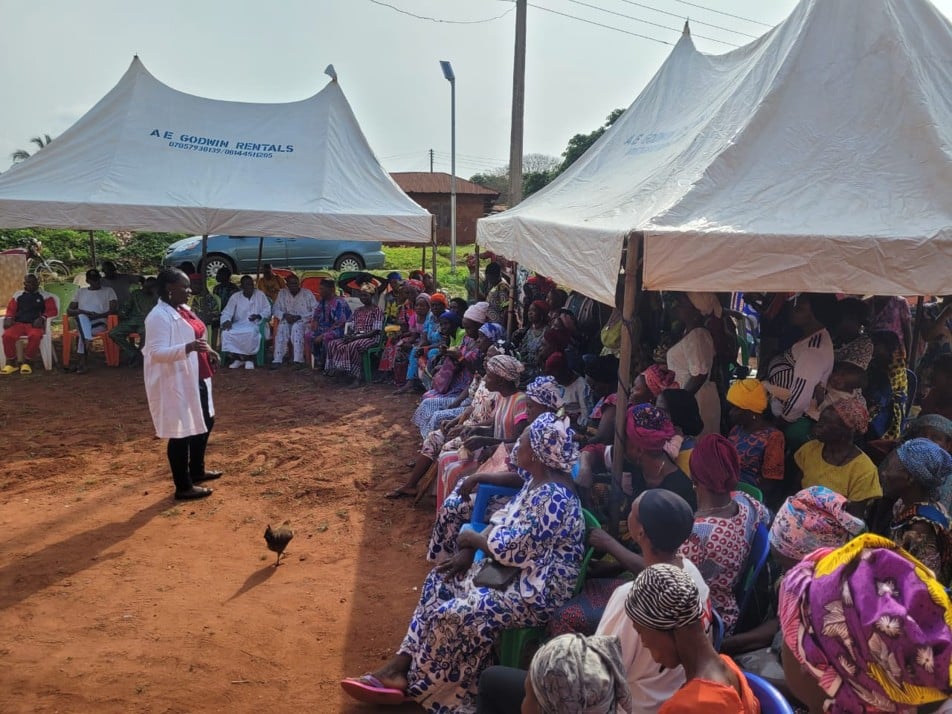
Dr. Funmilola Adio is a public health physician and Research Fellow working to improve community health in Nigeria. She focuses on sexual and reproductive health, universal health coverage, and fair leadership in health systems. Her story reflects the challenges and achievements she’s faced in leading efforts to make healthcare more accessible and just for women and girls.
Ambition Born from Discomfort
My journey into health leadership was born not from ambition, but from deep discomfort—a growing unease with the silent injustices I witnessed in the communities I served. As a young medical doctor practicing in Nigeria, I often found myself in overcrowded clinics attending to women whose health outcomes were shaped less by biology and more by social and systemic inequalities. It was in these moments that my path began to take shape—not just as a clinician, but as an advocate and leader determined to change the narrative.
One particularly defining moment came during my early public health (rural) posting. I met a pregnant teenager who had never received antenatal care—not because she didn’t want to, but because there were no services within reach, and no one ever taught her that she had a right to care. She ended up losing her baby, and that day I made a silent promise: I would work not just to treat symptoms, but to challenge the structures that created them.
This conviction deepened as I developed a strong interest in epidemiology, maternal and child health, family and reproductive health, and gender equity. I recognized that behind the data were real women and girls—too often left behind. I began to explore how to merge my clinical training with systems thinking, policy advocacy, and community engagement.
Finding Empowerment Through Fellowship
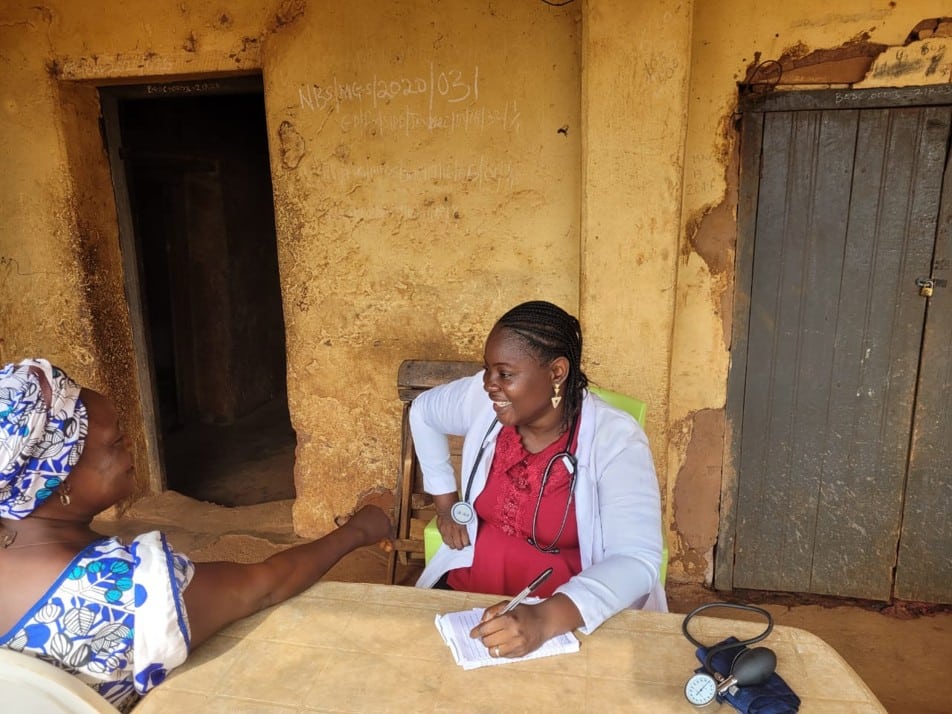
Nigeria (EmpowerHer) under the Research for Gender Equity stream. This platform became a catalyst. I began leading efforts to explore gender disparities in health research, conducting fieldwork in underserved communities, and contributing to national-level projects like the Global Action in Healthcare Network (GAIHN) Point Prevalence Survey, which focused on infection prevention and antimicrobial stewardship.
These initiatives allowed me to amplify evidence and advocate for practical policy reforms at the institutional and state levels.
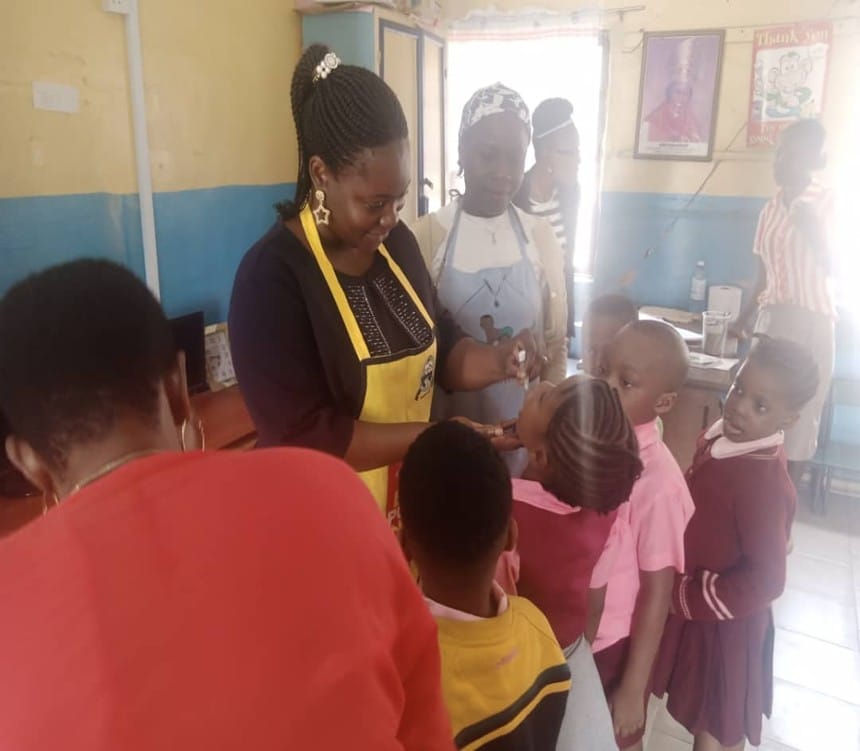
One of the most fulfilling parts of this journey has been mentoring young women in health and research—helping them find their voice in spaces where they are often underrepresented. I have also worked on building capacity through trainings and data collection efforts in emergency and primary care settings, which strengthened evidence for improving quality of care.
But leadership hasn’t come without its challenges. I’ve faced institutional resistance, limited resources, and at times, gender bias that tried to frame boldness as overstepping. Yet I navigated these hurdles by building alliances, seeking mentorship, and holding fast to the evidence that equity improves health outcomes—not just for women, but for entire communities.
Words for Future Women Leaders in Health
If there’s one thing I’ve learned on this journey, it’s that leadership is not about having a title—it’s about taking responsibility where others look away. You don’t have to wait for perfect conditions or permission to lead. Start from where you are, with what you have, and let your passion for equity and justice guide you.
Lastly, take care of yourself. Burnout is real, and you can’t pour from an empty cup. Make time for rest, reflection, and joy. Your well-being is not a luxury; it’s part of your sustainability as a leader.
To anyone walking this path: know that your voice matters, your story matters, and your efforts—no matter how small they may seem—are shaping a more just and healthier world.
Keep going.