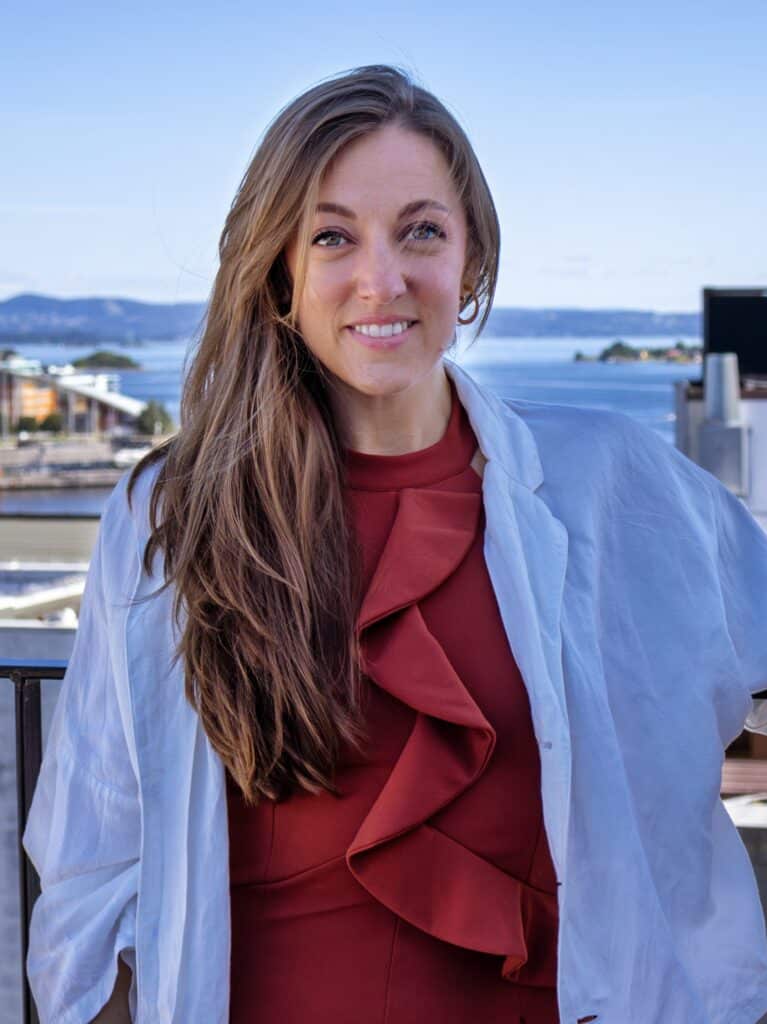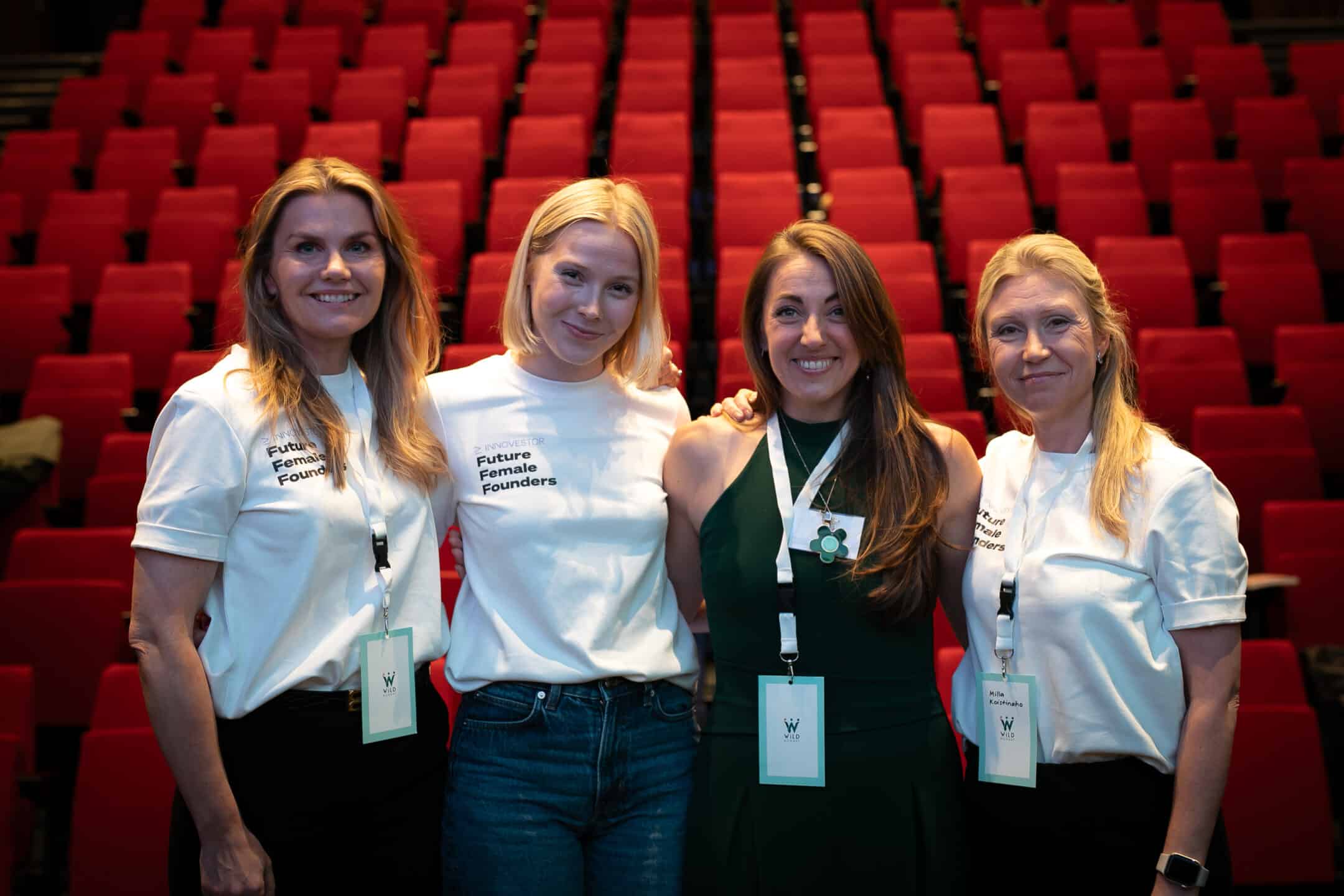
Chelsea Ranger is the CBO of Possibia and Founder and Chairwoman of WiLD Norway. With a Master of Health Sciences in Physician Assistant Studies and medical and clinical background, she specializes in empowering women, DEI (diversity, equity, and inclusion), and women’s health.
Identifying the Gap
I established WiLD Norway after being inspired by sister organizations in Denmark and Sweden, founded on gut feeling and knowledge from neighboring countries.
My instincts proved correct: despite women comprising 60-90% of the workforce in healthcare and academia, they hold 13-21% of leadership, board, and founder positions. Through partnership with Menon Economics, we published the first comprehensive data exposing this leadership gap in Norwegian life sciences.
Finding Empowerment Through Fellowship
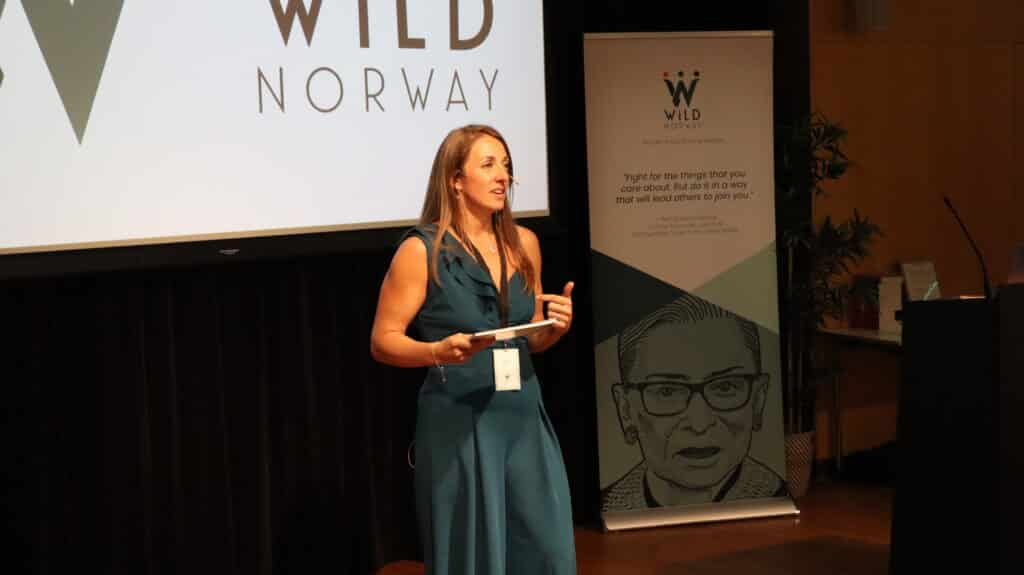
WiLD Norway is a national platform for accelerating gender balance in leadership and decision-making. In the past year alone we’ve:
- Launched training programs for women in board governance, confidence and self-promotion, self-narratives, CV development, female entrepreneurship, and intellectual property.
- Created an Ambassador Program for male leaders to reflect on bias and actively drive equity in their organizations. 18% of the member base and 33% of the board is made up of men.
- Hosted over 21 events with over 600 attendees, 60+ speakers, and clear calls to action on balanced leadership, investment in women and women’s health.
- Been invited to Norway’s Parliament (Stortinget) twice to share Wild Norway’s perspectives.
- Built Nordic collaborations with peer organizations in Denmark, Sweden, as well as the newly founded Nordic Women’s Health Hub.
The Winning Strategy
Rather than confrontation, we chose inclusion—inviting men as ambassadors for change through bias training and conscious leadership programs. This approach has built credibility with policymakers and institutions while creating systemic transformation.
We cannot wait to be invited. It is up to each of us to build our own table and make it welcoming. Change is slow, until it’s not. Consistency builds credibility, and our network is the greatest currency any of us can have.
Our work continues to face systemic challenges rooted in policy that’s often blind to gender and underrepresented populations. The current global political shift has even created new obstacles for international collaborations, particularly with U.S. partners abandoning DEI initiatives.
The infrastructure we’re building today will transform tomorrow’s health outcomes, making space for voices that have been systematically excluded while strengthening the entire sector’s resilience.