Heroine Year: 2022

Heroines of Health 2022

About Heroines of Health

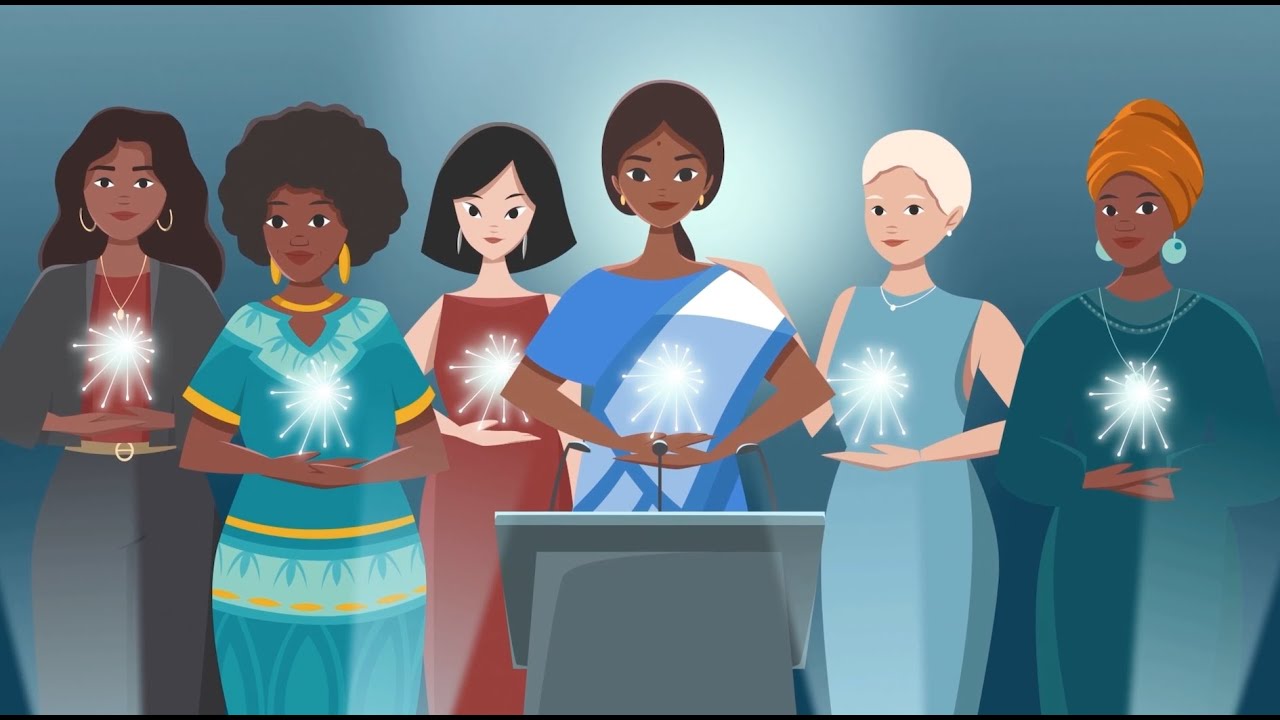
Inspired by the wealth of talent of women working in health, Women in Global Health launched this one-of-a-kind recognition to celebrate women from all walks and backgrounds. The event provides Heroines with a platform to voice their greatest concerns to global leaders and to transform our societies to be more gender equitable in health.

Although women are the majority of health workers, they are frequently marginalized in leadership; underpaid and unpaid; and not adequately protected from physical and mental harm. We celebrate Heroines of Health today and beyond applause, call for a new social contract for women in health that recognizes their contribution. Women in the health sector want the means – decent work, safety, dignity, fair pay and equal leadership – to do their jobs better so they can deliver the best possible health services for everyone. We honor them and value their work.

To date, Women in Global Health have recognized 53 inspirational leaders as Heroines of Health from all over the world. Each Heroine has made outstanding contributions to health, and to the campaign for gender equity in global health. This year, we have the great pleasure to introduce the women receiving the 17 Heroines of Health Awards in 2022.

The 2022 Leading Change: Heroines of Health Gala took place on the sidelines of the World Health Summit in Berlin, on October 17 – 2022.

Learn more about Heroines of Health Download 2022 Booklet


Heroines of Health 2022: Leading change for generations of women to come

YouTube video player

Ms. Marie-Andy Sanozier

As a translator, intercultural facilitator and migrant Haitian woman living in Chile, Ms. Marie-Andy Sanozier advocates for immigrant women and girls facing language barriers, access to health services and discrimination.

Chile is currently home to an estimated 1.4 million migrants, 12 per cent of whom are from Haiti. Vulnerable to labor exploitation and with limited access to healthcare and difficulty securing housing, they face unseen challenges as a result of a language barrier preventing their assimilation into Chilean society.

“As a migrant woman, I have always understood the barriers foreigners face when moving to a new country. Women may arrive singly or with families, but they are always lonely. Cultural gender norms that they carry with them from their own country often prevent them from building networks of support,” says Ms. Sanozier.

Ms. Sanozier’s fluency in language and personal compassion for Haitians who have come to Chile in search of better opportunities, have made her a strong advocate for her fellow migrants. As a charismatic and fluent speaker of Creole and Spanish, she has worked to navigate access to state-wide systems and services for women in particular. Serving as their translator and their advocate, she has led sensitization campaigns and initiatives for Haitian women to address the cultural barriers preventing their adaptation into the Chilean community. Ms. Sanozier also volunteers her time as a Spanish teacher for women, and leads workshops and events to help with their integration in the community.

During the Covid-19 pandemic, she increased her efforts to reach Haitian migrants who were experiencing higher transmission rates and higher mortality rates due to the language barrier. As infection rates rose among the low-income Haitian community, discrimination towards migrants also grew but much was because of their limited ability to access information on preventative measures.

“It’s unfair. How do you expect migrants to understand your prevention measures if they don’t speak your language? Nobody is explaining to them what needs to be done. They can’t stay home because they are surviving day by day and need to work or they don’t eat.”

During that time, Ms. Sanozier set herself the task of preventing the spread of the virus in her community, launching awareness campaigns in Creole and launching a campaign “One Helps the Other” to reach 400 vulnerable families suffering extreme poverty with food, hygiene kits and other basic supplies.

Following joint initiatives with educational institutions and the private sector, she also delivered a series of online Creole classes to health professionals to facilitate healthcare access for Haitian migrants. In addition, she worked to offer free medical consultation to migrants through “Donate your copay’’ a project funded by charitable private contributions.

Ms. Sanozier is currently working on plans to establish a foundation to provide a safe space for migrant women equipped with volunteers and services to teach the local language, provide legal advice and facilitate migrant integration into the national health and social security systems.

She dreams of a future where migrant women in Chile are empowered to speak out and take control of their own destiny and a future where they can live prosperous lives with strong community support towards the improvement of their wellbeing.

“Non-Spanish speaking migrants face more than just the language barrier. The economic and physical barriers are also there. Black women who do not speak Spanish have numerous challenges. It is time we address those challenges.”

Ms. Monica Batista Teixeira

Ms. Monica Batista Teixeira is a Brazilian nurse with specialization in obstetrics, women’s health and oncology. Like many of her colleagues, she endured extremely difficult conditions during the COVID-19 pandemic, working around the clock without adequate resources or supplies. Despite this, health workers delivered care in rural, hard to reach areas and saved countless lives.

With 15 years prior nursing experience, Ms. Batista was working as a Healthcare Manager for chronic diseases at the Amazonas state department when COVID-19 hit. The pandemic has had a devastating impact in Brazil, infecting more than 34 million people and causing an estimated death toll of 685,000. Brazil’s health system struggled under the weight of increased caseloads, limited resources and political instability. At the height of the crisis, health services in the country’s northern region were stretched to breaking point.

The crisis became personal. Ms. Batista learned that her uncle had suffocated from a lack of oxygen in the intensive care unit in Manaus, in Amazonas state. After his death, she departed on the next flight to save others from the same fate. She coordinated and supported the transport of over 900 COVID-19 patients from Amazonas state to health facilities in neighboring states. Her efforts resulted in a 90 percent survival rate among those she transported. For three months, she didn’t see her eight-year-old daughter or family.

Recalling the day when she made the decision to move from health management policy to the frontlines of a global crisis, she describes the compulsion she felt to respond. “The trapped, under siege and war-like situation that COVID caused in the community motivated me to join the fight. I knew we (nurses) were needed.”

Ms. Batista remembers the sense of camaraderie she experienced with fellow workers at that time. She points to the outstanding work of health professionals, specifically highlighting the contribution of women, who make up 65 percent of the Brazilian health force. In some careers, such as nursing, they represent more than 80 percent and were the country’s first line of defense during the pandemic.

“We were all together in the pandemic, not only as health professionals but as service givers. We left our homes, our family, to be on the frontlines. It was very brave of women to make that move. ” The first person to recognize her extraordinary contribution was her daughter, describing Ms. Batista as a heroine, but she is quick to extend this attribute to all women in health.

“It was inspiring to see women’s strength at that moment. The nursing profession is characteristically held by women, but even more so in Brazil. These women who are usually treated as expendable are indeed superheroes in a sense. We all went through the fear of leaving our children, our family, our lives, but we overcame it.”

Ms. Batista is committed to continuing the fight for her community’s right to health and sees women with their unique perspective as essential to that fight. Her advice to all women is simple.

“Anything is possible once you have passion and thoughtfulness. Those are the qualities that make great women leaders. I think women can achieve whatever they want, whether in health or in other areas. It comes down to personal passion, strength and the compassion we have for others. Having that provides us with vision and insight that we can apply in any area.”

Dr. Nataliia Tetruieva

Dr. Nataliia Tetruieva is one of Ukraine’s leading maxillofacial surgeons, responsible for the surgery team in the National Children’s Specialized Hospital OHMATDIT, to provide free cleft lip and palate treatment to children from every region of the country, even in the midst of a devastating war. The past months have presented Dr. Tetruieva and her team with unprecedented risks in the operating theater, effectively putting their lives on the line to perform surgeries. Given the complexity of the three-four hour procedure for cleft lip and palate, the team is compelled to continue their work through evacuation sirens and power outages, while relying on hospital generators. Because of the destruction of infrastructure, Dr. Tetruieva’s team also compensates for the loss of operating facilities in other cleft centers in Dnipr, Kharkiv and Odessa.

“The siren goes off four times on some days, but you learn to live with it. We cannot afford a delay in treatment. It could cause feeding distortions, delays in speech development, or even affect the child’s facial development. We just have to accept the risks,” says Dr. Tetruieva.

From the outset of the conflict in 2022, she and her team immediately shifted to providing emergency care for the wounded. As a self-declared patriot, Dr. Tetruieva is proud of the role she has played treating civilians. Many of her female colleagues including nurses, doctors and paramedics have joined the army to defend Ukraine. Despite the setbacks of the war and the reliance on international organizations to provide funding for depleted patients and programs, there have been positive outcomes as a result of the international cooperation with Ukraine. “Everyone is convinced that the war is going to be won. This will mean that our society will change and potentially we’ll become an EU member. The opportunity to work across multidisciplinary teams and with other countries could mean that we modernize our surgical techniques and become a center of excellence for other hospitals around Ukraine.”

Dr. Tetruieva’s tenure spans 30 years in line with Ukraine’s independence. When she became a surgeon after medical school, Ukraine was still emerging from Soviet culture, and opportunities for women were rare, particularly in the male-dominated field of surgery. But change came with the possibility of international exchange and new opportunities as Ukraine gained access to the international community. Dr. Tetruieva has personal experience of those opportunities, having trained in cleft surgery in Germany after she completed her surgical training post medical school. “It was the first-ever training program for children’s doctors that Germany offered. The condition was to learn the language in a short time. I accepted that challenge and learned not only surgical and other treatment techniques, but also the logistics and structure of a comprehensive cleft center.”

Dr. Tetruieva later returned to Ukraine and was charged with re-establishing a cleft program at OHMATDIT, where she has remained ever since. What is most lacking in Ukraine, she says, is investment in quality education, and specialist instruments and equipment necessary for surgeries. “Our specialists, both doctors and medical staff, are talented and keen to learn, but we need financial support to build the training resources for teams and equip them to carry out high-quality operations. That has always been a challenge.”Having started a successful partnership with Smile Train in 2009, her team has been enabled to conduct up to 200 surgeries every year with high-quality instruments and surgical materials. Remarkably, at 74 years of age, Dr. Tetruieva remains undeterred. “We will continue working with Smile Train to provide funds for displaced Ukrainian families and logistically plan for treatments. It is important that the treatment can continue whatever it takes,” she says.

Ms. Sophie Ley & Ms. Yvonne Ribi

The reported phenomenon of the ‘Great Resignation’ is expected to have severe consequences for health services. Health workers – the majority of whom are women – have been forced to endure difficult working conditions and immense work loads through the COVID-19 pandemic. In Switzerland, a country with a relatively small population, the situation has led to a current shortage of 7,500 nurses, with more departing the profession daily.

It is no surprise to Swiss nurses Sophie Ley and Yvonne Ribi, who have worked with allies to trigger a constitu- tional initiative for nurses, putting this to a popular vote across the country. Their demands were widely reported in the press and included addressing nursing shortages, improving the safety and quality of care of patients, and improving the remuneration and wellbeing of nurses. The campaign drew extensive media and prompted de- bate in other countries as nurses reported similar experi- ences and weaknesses in their own health systems.

The referendum was one of a number of initiatives spearheaded by Ms. Ley and Ms. Ribi in the past two decades. Through their political work, they advocated for a change in billing practices to allow nurses the authority to invoice health insurance companies for certain interventions without the requirement for a doctor’s order. When the measure was defeated in parliament, the Swiss Nurses Association turned to the people and started a five-year long campaign for a national referendum. In November, 2021 Swiss history was made when 61 per cent of the electorate voted in favor of the Nursing Initiative and the parliament was forced to take action for better working conditions and increased staffing, with measures for further allocation of education places yet to come.

Ms. Ley believes recognition of the professional competencies of nurses is key to overcoming the challenges inherent in the health system. “It is only by valuing nurses and recognizing nursing qualifications that we will be able to maintain health security. Globally, I think what we need now is to work together. We need to position the nursing voice on the world stage and use it to drive leadership on this issue,” she says.

As leader of a 25,000 strong organization, Ms. Ribi, who shares the award with Ms. Ley, is clear about the role her members play in the maintenance of healthy societies, something she says became evident to the Swiss public and to the world during the pandemic.

“The behavior and competence of nurses is very important for society – it’s a force for good. Nurses can make a difference when a community is in need. During the pandemic, we saw how nurses played a crucial role in securing the health of entire populations. We have to invest in greater numbers of nurses and better working conditions, not just because the institution needs flexibility, but because nurses also need flexibility.”

Ms. Ribi is positive about the power of solidarity when women work together. “When we are together as a group, we can change the constitution of our country, change the federal laws, influence the politics, make things better for nurses and for patients.”

Both women welcome debate about the profession, but ultimately believe that nurses themselves should be entrusted to serve as agents of change in the

health system and make decisions about how health programmes should be delivered.

“Today, a lot of people talk about our profession and explain how things should work. But we have to have our own definition about our field of competence, so that we can contribute to policy-making and make decisions on health programmes in the country,” says Ms. Ley.

Dr. Iffat Zafar & Dr. Sara Saeed Khurram

Career or family? This is the never-ending dilemma for women doctors in Pakistan, a country where more than 80 per cent of medical students are female, yet just 40 percent of them practice after getting married. Dr. Iffat Zafar and Dr. Sara Saeed Khurram have worked to address this issue by driving systems-level changes through their women-led telemedicine solution, Sehat Kahani.

Dr. Saeed can identify the exact moment when her career path was chosen. “I was five years old when my father told me I was going to be a doctor. I was never offered a choice and I did not understand until it became my time to look for a husband”.

In Pakistan, becoming a doctor raises the social status of women and gives them the best hand in marriage, but this is followed by the expectation that they discontinue working after marriage. With a population of 20 million people, Pakistan has a total medical workforce of nearly 250,000 certified doctors, and a doctor-to-patient ratio of one per 1,000.

In 2017, Dr. Saeed and Dr. Zafar founded Sehat Kahani, a for-profit organization with an online platform in a bid to address the pre-existing disparities in healthcare delivery, while also enabling women to continue practicing medicine. The telemedicine solution combines technology and comprehensive health services to help reach remote and rural areas of Pakistan where pre existing medical facilities exist, but often without the necessary doctors to run them. Dr. Zafar and Dr. Saeed established assisted e-clinics to give urban users a chance to access affordable quality healthcare using a mobile application. This app is used by individual consumers as well as corporations for employee health and wellbeing. The platform has become the first-ever predominantly female health provider network in the country, and allows patients access to doctors, particularly women and children from remote locations.

“Our vision was to create this healthcare super app, so that patient’s primary health care issues could be solved within the application, regardless of whether they live in a rural village or a city. We want to establish minimum quality of care as a right for every individual in the country” says Dr. Sara Saeed.

The platform became a working reality after its success during the COVID-19 pandemic. It was effective in helping to strengthen communication in the healthcare system, while also improving treatment for patients who had little to no access to medical resources. Already, the platform has provided 5,000 additional healthcare staff, a majority 90 percent of whom are women, to directly support more than 1.3 million consultations across Pakistan.

“My vision is that in five years time, we will have at least 50,000 doctors on our platform from within Pakistan and further afield. We want to create that safe space for other women so that they can advance within the medical profession” says Dr. Zafar.

Beyond clinical work, Sehat Kahani is working to strengthen the resiliency of women’s empowerment across the country, whether through capacity building, mental wellness counseling, or advocating for a democratized healthcare system in Pakistan.

Dr. Zafar’s hope for women leaders is that they have the confidence to believe in themselves and aim high in their professional aspirations. “Young women need to believe in themselves and aim for the sky. I think women leaders are really strong and resilient. What they need is the support of their community and the belief that they can do it.”

Dr. Lourdes Capito

For over a century, abortion has been criminalized in the Philippines, with sentences of up to six years in prison. Penalties also extend to doctors and midwives who offer abortion services. While some women find the funds to travel to Hong Kong for care, for many others the consequences are grim and the prevalence of illegal abortion contributes to a high maternal morbidity and mortality rate.

As an obstetrician and gynecologist, D. Lourdes Capito has dedicated her career to improving reproductive health among Filipino women. Dr. Capito was 28 and an ObGyn resident when she became pregnant with her first child. And, she has personal experience of the economic and professional challenges for mothers with regard to child spacing.

“At that time, I thought I knew about family planning, but a year later I delivered another baby. It’s a good thing for me. There are no regrets. But that’s why I’m in to family planning. I know how hard it is to take care of children. They were like twins!” she says. Dr. Capito’s third child, another baby boy, was planned and conceived four years later.

As 2009 President of the Philippine Obstetrical and Gynecological Society, Dr. Capito wrote and published Clinical Practice Guidelines on major topics in ObGyn as well as family planning information. Working with the Department of Education, she organized the distribution of teaching materials on Adolescent Health among public school students.

Dr. Capito campaigned with the Philippine Society for Responsible Parenthood to overcome the requirement for parental consent to access contraceptives for anyone under 18, hoping to reduce the adolescent pregnancy rate in the Philippines. But, she concedes that there is still a long way to go. After the Reproductive Health for Responsible Parenting law was passed, a prominent Catholic group sued legislators, bringing the case to the Supreme Court to have the Emancipated Minor Act governing the consent requirement removed.

“Teenagers who already have children are now also prohibited from accessing contraceptives without parental consent. Adolescent pregnancy is high in our country. I hope that we can change that. As far as family planning is concerned, I am following my conscience.”

As Chair of the ObGyn Dept of the University of the Philippines at Philippine General Hospital from 2007- 2012, Dr. Capito pioneered the two track, two-year Fellowship and Masteral Degree Training Program in Family Planning. She also championed a holistic method for the treatment of patients with a ‘Good Doctor’ approach, frequently telling her students that it is their responsibility to take care of all patients from “womb to tomb.”

In 2010, she headed the Family Planning Consortium Training Program on Subdermal Implants, in partnership with the United Nations Population Fund, the Department of Health and several other hospitals around the country. Thousands of doctors, nurses, and midwives have been formally trained on subdermal implant insertion and removal. The program focuses on geographically isolated and disadvantaged areas and, given the implants are not supply dependent, are a useful solution for many women. “This intervention is paid for by the government. We are making sure that the groups we train are knowledgeable in all forms of family planning from traditional to modern. They then go to areas where women are hardest to reach.”

Currently, Dr. Capito is Chair of the Committee on the Ethical Aspects of Human Reproduction and Women’s Health at the International Federation of Gynecology and Obstetrics (FIGO). “I am so honored and humbled that FIGO has considered me worthy of the nomination, and even more overwhelmed that I was chosen as one of the awardees!”

Dr. Tabinda Sarosh

As daughter of two Pakistani journalists, Dr. Tabinda Sarosh was influenced by parents who dedicated their careers to human rights. At a young age, her family moved to China so her father could work for the Foreign Language Press. The experience opened Dr. Sarosh’s horizons to other cultures and experiences. “My classmates were global. The experience helped shape my worldview,” she remembers.

Her aim was always to work towards social change and justice. An early internship at an OB/GYN opened Dr. Sarosh’s eyes to the reproductive health challenges faced by women in Pakistan. “Women faced tremendous barriers in accessing reproductive health and respectful patient care,” she says. “Public hospitals were ill- equipped and underfunded.”

This early experience led Dr. Sarosh to start her career, first earning a Bachelor of Medicine, Bachelor of Surgery (MBBS) from Dow Medical College in Pakistan, and later a post-graduate diploma in nutrition. She began working in the semi-urban areas of Karachi, with a focus on marginalized immigrants. “At that time, I was documenting the experience of women accessing reproductive health care. That’s when I decided I wanted to work in public health for the rest of my life.”

In 2005, she was running women’s health programs in 118 centers run by the Aga Khan Development Network. At the same time, she joined the feminist organization Shirkat Gah. There, she managed programs on reproductive health, leading on business development and community engagement. Dr. Sarosh worked to amplify women’s voices in community-based groups, later bringing them to larger forums for national representation. She worked towards progress on goals set by the Beijing Platform, the International Conference on Population and Development, and the Convention on the Elimination of all Forms of Discrimination Against Women.

Dr. Sarosh concurrently focused on policy work, which led to a collective achievement of the passage of the Standardization of Age of Marriage to 18. As the Director of Programs at Shirkat Gah at the time, Dr. Sarosh steered the development of a research and advocacy plan, as well as partnership management.

“Patriarchy percolates through our systems and society,” says Dr. Sarosh. “We saw girls married at nine and 10. My team at Shirkat Gah were responsible for generating on- the-ground data about the social and economic status of those in early marriage. We documented the realities on the ground, the lived stories. And while the bill has now been passed, there is still a lot to do to implement the law.”

Through her career, Dr. Sarosh has worked to expand family planning services with a focus on service delivery, data systems, and health information. She led advocacy campaigns to include critical women’s health indicators in the DHIS and incorporate gender, disability, and self- care norms into key policy documents. She says the most interesting phase of her life began in 2016, when she joined Pathfinder as Country Director. Today, Dr. Sarosh is in charge of a diverse portfolio of projects across Egypt, Pakistan, Bangladesh, India, and Jordan. This work focuses on family planning, women’s economic and social empowerment, climate change resilience, adolescent and youth sexual and reproductive health, and work with communities affected by humanitarian crises.

Dr. Sarosh is a tireless advocate for women’s rights. “Through Pathfinder, I am able to channel my experience as an activist, and transform it into concrete, evidence- based systems strengthening efforts,” says Dr. Sarosh. “At the same time, I can continue my activism through policy and advocacy work. It’s a journey that holds a promise of sustainability and scale, and I am genuinely proud of the work I do.”

Women Community Health Workers of SEARCH

Ms. Kusum Gadpayale is one of 27 Community Health Workers (CHWs) working in rural India with the Society for Education, Action and Research in Community Health (SEARCH). SEARCH is a non profit organization established in 1985 to reach the vulnerable, semi-tribal and deprived district of Gadchiroli in Maharashtra state.

In 1994, SEARCH enrolled women like Ms. Gadpayale who could read and write and were willing to train to deliver health care in the community. In 1995, local women became part of an experiment in public health to deliver Home-Based Neonatal Care (HBNC). The experiment attempted to reduce the high rate of neonatal mortality. By the end of 1998, the third year of the intervention, infant mortality had dropped by half.

The Community Health Workers were drawn from a region covering 39 villages, and were mostly educated to elementary school level. This was one of the conditions of entering the program. The other was family consent.

“Not all husbands agreed to this, so they chose only those women whose husbands agreed. That was the criteria to get involved. You have to put the work first,” says Ms. Gadpayale, speaking on behalf of the group.

Ms. Gadpayale and her fellow workers, many of whom are small farmers and also work in the home, serve as health messengers educating the larger community on prevention and treatment of common ailments. During the COVID-19 pandemic, they were eager to learn and work on new health topics.

Workers (CHWs) working in rural India with the Society for Education, Action and Research in Community Health (SEARCH). SEARCH is a non profit organization established in 1985 to reach the vulnerable, semi-tribal and deprived district of Gadchiroli in Maharashtra state.

In 1994, SEARCH enrolled women like Ms. Gadpayale who could read and write and were willing to train to deliver health care in the community. In 1995, local women became part of an experiment in public health to deliver Home-Based Neonatal Care (HBNC). The experiment attempted to reduce the high rate of neonatal mortality. By the end of 1998, the third year of the intervention, infant mortality had dropped by half.

The Community Health Workers were drawn from a region covering 39 villages, and were mostly educated to elementary school level. This was one of the conditions of entering the program. The other was family consent.

“Not all husbands agreed to this, so they chose only those women whose husbands agreed. That was the criteria to get involved. You have to put the work first,” says Ms. Gadpayale, speaking on behalf of the group.

Ms. Gadpayale and her fellow workers, many of whom are small farmers and also work in the home, serve as health messengers educating the larger community on prevention and treatment of common ailments.

During the COVID-19 pandemic, they were eager to learn and work on new health topics.

Women went door-to-door with surveys, checking for symptoms and quarantining those who were symptomatic. They also provided sanitizer, masks, and information about social distancing. In return for their health service to the rural and tribal families of Gadchiroli, the health workers can access free healthcare for themselves and their families at the tribal friendly hospital at SEARCH. They are paid a fixed monthly wage of 500 rupees, equivalent to $6, along with pay for additional services they provide in their villages.

“We get paid for work depending on what is needed in the community. Now that we have been working for a while, the needs are not as great as before. It can be from two to six hours per day. We also receive an annual gift. Every year is different, sometimes the gift could be a bicycle or a mobile phone as that helps with the work also.”

Remembering the situation prior to the formation of her group, Ms. Gadpayale illustrates the harsh reality for children in particular. “There was nothing available in terms of healthcare. Kids were dying. A lot of babies were premature, preterm, malnourished. We have helped those kids. Now they are all adolescents. They say ‘it is because of you that we are what we are today!’”

Ms. Gadpayale and her group provide home-based advice on care, non-communicable diseases, maternal and newborn health, and nutrition. They distribute iron tablets and folic acid to eligible women, pregnant women and mothers, they treat infection by administering antibiotics and make hospital referrals for those most at risk. So far, they have cared for 19,952 children and their mothers. “We really enjoy this work because it is new and outside of our normal routine. It is a challenge for us and we learn. We are proud of the children we have saved!”

In terms of ongoing challenges, Ms. Gadpayale says that sanitation is still a concern in the community and she concedes that there is a lot of work to be done. Despite this, she is hopeful and has a word of advice for young people.

“We don’t have much education and look at what we have managed to do for health in the community. Imagine what you can do with the education you have”.

WATCH VIDEO

Ms. Rose Mary Nakame

Ms. Rose Nakame’s story as a nurse, a storyteller and an advocate for remote health workers and immunization in Uganda comes from her experience as a seven-year-old child battling a benign brain tumor. Due to the family’s poverty, she remembers the difficulty for her mother in accessing proper care and treatment.

“I realized I had to do something at a young age. In school, I took up science courses and moved into health to become a nurse,” she says.

Her experience as a child motivated Ms. Nakame to do better for other patients in the same situation. As a nursing student in Uganda, and on her own initiative, she learned how to perform incisions and drainages on patients who had waited a month without being admitted to a doctor, often dressing wounds for 30 patients in an eight-hour shift, on top of her routine nursing activities.

Through her work, it became clear to Ms. Nakame that the difficulties health workers were experiencing were a result of lack of staff and impossible working conditions for the majority women workforce. It motivated her to set up Responsive Mental Health Sustainability Initiative (REMI), a health equity organization working to improve the lives of the poorest by influencing policy. REMI East Africa also serves as a platform to profile and document the stories of women rural health workers delivering care in Uganda, many of whom are also battling their own poverty.

“Health workers didn’t have a voice. Decisions were made for them without consideration of their experiences, or the challenges of their circumstances and context.”

“Women can’t take up career growth opportunities because of the additional burdens they already have as care-givers in the home. Many at the lowest cadres of nursing, who serve the poorest, don’t have the resources to pay for childcare.”

Her advocacy on immunization during the COVID-19 pandemic was noticed by health authorities in Uganda, who recturited Ms. Nakame to work with rural health workers in several districts to increase uptake of vaccines and understand vaccine acceptance and demand in the district. As leader of a group of early career nurses and midwives, she spearheaded initiatives to train and support women in advocacy and storytelling, serving as a Sabin Immunization Advocacy Champion.

Ms. Nakame is clear about her demands of the international community – the burden must be alleviated on the majority women health workforce. Meanwhile, she is continuing to confront the inherent weaknesses in the health and care workforce that are holding women back and causing more to leave.

“Most of the nurses that I studied with are leaving because of the low pay brought about by the lack of implementation of the scope of practice, which would ensure that advancement in their nursing education is matched with increased pay. There is no incentive for nurses to advance their career. It demotivates them, especially those in rural areas.”

The problem of mental health among health workers has become an increasing focus of her demands, particularly in the context of the COVID-19 response. Ms. Nakame is grateful that her advocacy work enables her to mobilize funds for educational initiatives like digital literacy programs and mental health support.

“This would not have been possible if it was not for the work we are doing now. We can engage with those in power and in positions of authority to act on these issues.”

Ms. Anita Kouvahey-Eklu

Ms. Anita Kouvahey-Eklu is the Deputy Country Director for Integrate Health in Togo. As an experienced medical provider and advocate, she has championed LGBTQIA+ rights, women’s rights and Universal Health Coverage for more than two decades.

After graduating from university as a physician’s assistant, Ms. Kouvahey-Eklu began her first job at a health center in Kouvé in the Yoto District. It was in this role that she developed a passion for delivering sexual and reproductive health services. “I saw that women had many problems, justice problems related to body autonomy. I saw the suffering of women. You can’t say no, you can’t say yes. You can only do what your husband asks. I think that is not right. I have the same rights as a man. If men are able to make decisions for themselves, then I should also be able to make decisions about my life.”

Her work in Yoto District led her to the Togolese Association for Family Well-being, a local affiliate of the International Planned Parenthood Federation. She spent over 20 years working with communities to reduce both maternal and child death rates and the prevalence of HIV/ AIDS. During this time, Ms. Kouvahey-Eklu successfully launched a reproductive health program, working closely with Community Health Workers for provision of family planning services for communities around the country. This was the first programme of its kind in Togo.

Ms. Kouvahey-Eklu has encountered girls as young as 15 with three children.“Some women don’t have the opportunity to use contraception, because the husband doesn’t agree. But if a woman doesn’t use contraceptives she is left with no opportunity. She is afraid, because the husband may beat her.”

In 2020, she joined Integrate Health as Deputy Country Director where she serves as the bridge between Integrate Health, the Togolese Ministry of Health, and other partners to achieve Universal Health Coverage. The achievement that makes her most proud is her position as health manager at the Togolese Association for Family Well-Being (ATBEF). Ms. Kouvahey-Eklu established a group for people living with HIV which is still functional and focuses on women, pregnant women and children. It provides screening, antiretrovirals and psycho-social support.

Her favorite work involves direct care of patients. “A person exposes their problems, and you manage to help them find a solution. Then they leave content and with a smile. That is satisfying.”

To challenge power imbalances and patriarchy in her country, Ms. Kouvahey-Eklu campaigns for a number of initiatives. She helps train policemen about abortions so they can provide information and support to women in need. She promotes a sex education program that starts from elementary school and runs through high school. She is a frequent TV and radio commentator, informing and educating the public about reproductive and sexual health. She advocates for more female Community Health Workers because she believes this is key to reaching the most vulnerable.

Ms. Kouvahey-Eklu sees it as the duty of health care workers to respect human dignity and provide social justice, putting the human being at the center of all services. She is discrete, inspiring and does not seek recognition.

Her ask of decision makers is to reform laws, improve the environment for women and children, create more and better functioning health centers and ensure services are available to those who are isolated by distance or affordability. Above all else, Ms. Kouvahey-Eklu believes that the community itself should be involved in decision-making”:

Dr. Anna Temba

During her tenure as a practicing intern in an urban district hospital in Dar es Salaam, Dr. Anna Temba remembers the struggle to meet patients’ needs in an already overwhelmed health facility. Services were stretched and supplies were low.

“Women would bring their sick children and we would write a list of things they would have to buy, including fluids for diarrhea that we did not have in stock. Some of them were not able to afford certain medications and I would try to source alternative cheaper prescriptions. With a caseload of more than 1,000 women delivering per month, everyone’s concern was on reducing maternal mortalities.”

Dr. Temba and her colleagues deliver the Engender- Health program and she hopes health workers in other countries can learn from their experiences. She believes health systems should encompass more than just health interventions because using a multidisciplinary approach creates conditions for more successful outcomes. They have seen success working in conjunction with partners delivering other services in the community, such as essential life skills training or income generation activities focused on agriculture.

She also stresses the importance of understanding the conditions women face in their daily lives. “Most of the health programs we are implementing are also designed to integrate gender-based support. We know that the health facility can provide some services for free, but some mothers don’t even have the fare to travel to the health center. It is also important to address the other needs of patients and link them with appropriate programs or for example, HIV support groups.”

Dr. Temba works very closely with the Ministry of Health in Tanzania, providing technical assistance by serving on a number of working groups such as national family planning, the Safe Motherhood Initiative and a gender and youth forum.

For her work, Dr. Temba has received the Going Extra Mile award from EngenderHealth, the “Best Minister with and without a portfolio”
by Pathfinder International and recognition under WHO’s High Impact Practices for her documentation of the “One Stop Shop” Mobile Family Planning Outreach and Service Integration in Southern Tanzania.

Despite the awards, Dr. Temba knows challenges remain. She is concerned by moves to take away access to emergency contraceptives at pharmacies. “Some health center providers are biased and not comfortable with contraception for adolescents. They chase them away.” She argues this would be “going backwards”, leading to unintended pregnancies and an increase in HIV rates.

“Many young people are not comfortable going to a health center to access contraception. We have to have very different conversations than the ones we are having by those who are pushing that agenda. We currently try to meaningfully engage young people, but at times that doesn’t translate into meaningful participation.”

Dr. Temba believes that including competent and committed women from the community in health leadership would ensure greater relevance in health programs.

“Sometimes we bring up issues being experienced in the community and they don’t get any further because those issues are not viewed as important. When we are talking about access to care, access to insurance–some things have to be put in context. If we were strategic and deliberate about including women, if we listened to them and showed our appreciation of their perspective, we would have a greater opportunity to engage more people.”

Ms. Isata Dumbuya

Four years ago, Ms. Isata Dumbuya moved from the UK back to Sierra Leone to bring her 20 years of experience as a midwife to her native country. She wanted to contribute to the prevention of high maternal mortality.

“Midwifery in the UK opened my eyes. In class, we talked about the high rate of maternal mortality in Sierra Leone. I was hearing it from my relatives there too. It gets to a time where you say, ‘I need to go back. I can and I must.’” When she first returned, most of the basic systems and health supplies that Ms. Dumbuya was used to were lacking and she knew that she needed to adapt her thinking to a different reality. This included power outages, unreliable supply chains and a shortage of basic equipment–all contributing factors to the high rates of mortality.

“In the UK, it’s a safe space. You have support, resources, skills, a network, proper facilities and then you come here, and you are it! I wanted us to have the same standard of training that we take for granted in the US and the UK. This makes what we’re doing worthwhile, having a plan for the future.”

Through her work in Sierra Leone with Partners in Health, she and her dedicated maternal and neonatal team launched a project to build a Maternal Center of Excellence–a state-of-the-art teaching hospital dedicated to women and children.

“I spend my days trying to figure out what needs to be sorted out and improved. It’s important to celebrate the moments that went fantastically well. They could be small things, but I am there to make sure that we learn from them, and continue with those improvements.”

One of her first interventions at the Koidu Government Hospital in Kono, where she works, was to install a simple school bell, which could alert staff to emergencies. Since then, Ms. Dumbuya has worked hard to introduce a range of new measures towards her goal to establish resilient systems. “When I first came here, I was going to change everything in 18 months, but you have to be invested for the long haul to be making a substantial difference. Short sharp fixes are not useful in places like this. They are not sustainable.”

Ms. Dumbuya has led numerous trainings, built partnerships with government stakeholders, supported the opening of a special baby care unit, a high- dependency maternity unit and a new adolescent and youth-friendly services clinic. She believes that other countries have something to learn about her experience in Sierra Leone, particularly in relation to working within the community. “The country has been through Ebola, landslides, war and other crises and it’s changed how people think about healthcare. The trust is not there. It puts people off coming to hospitals. They are fearful about the lack of services and resources. So instead, women go to traditional healers, take behind-the- counter medicines, and have unsafe deliveries.”

Ms. Dumbuya has deliberately worked alongside Traditional Birth Attendants (TBAs) in Sierra Leone, recognizing their influence in the community and using that trust to invite them to refer mothers for hospital care.

“You have to find a way to work with what you do have, and make it work for what you want. Not working with TBAs here would just push that system further underground creating an ‘us’ and ‘them’ dynamic, with patients caught in the middle.”

Being a mother of five is important to Ms. Dumbuya but it also brings a unique perspective to her work. “It brings out the best in me. That motherly part of me that likes to nurture and see things grow. I’m a mother to 550 people in my place of work! People will work with you when you are like that”.

Ms. Chioma Oduenyi

Ms. Chioma Oduenyi can clearly pinpoint the woman who inspired her determined drive to make change – her mother. When she was just eight years old, her father passed away unexpectedly, leaving herself, her mother and four siblings without a means to survive. Ms. Oduenyi recalls her mother’s struggles to support the family and her insistence on the importance of education.

“I had dreams and visions for myself. I wanted to become the person my mother would have wanted to be. I just wanted to be that someone who can break barriers for others and yes, I did it!”

Now Ms. Oduenyi holds two master degrees and is completing a Doctorate on Sustainable Development and Diplomacy. At 43, she is not only a successful scholar, but an accomplished gender and development expert with more than 18 years of hands-on experience.

She has pioneered gender integration and mainstreaming through her work in Nigeria for Jhpiego, an international non-profit health organization affiliated with Johns Hopkins University. She is currently Project Director for the USAID-funded MOMENTUM Country and Global Leadership project in Nigeria, led by Jhpiego, where she oversees work to prevent and respond to gender-based violence.

As a mother of four herself, and echoing her own mother, Ms. Oduenyi’s advice is frank when it comes to the demands of juggling family and managing her career.

“Just put in the hard work, build your self confidence and get out there. I believe that any woman who is ready to break the barriers of gender norms, stereotypes and expectations can get it done.”

Under USAID’s Maternal and Child Survival Program (MCSP), Ms. Oduenyi successfully led policy advocacy in Nigeria’s Federal Ministry of Health (FMoH). It was there that she supported the FMoH to develop the first-ever Gender and Health Policy in Nigeria, accompanied by a strategic implementation plan.

Ms. Oduenyi’s passion for gender equality and women’s rights has taken her across Nigeria and internationally. As a result of her encounters with other women, she has worked to champion advocacy efforts on

gender based violence (GBV). She is currently leading the implementation of a $9 million four-year project in Nigeria to prevent violence against women and girls, end child marriage and promote early adoption of family planning.

From the outset of her work in gender equality, she recognized that the true meaning of equality and equity begins with the understanding that equality is for everyone, not just women.

“I realized that we stood a chance to gain more if people understood what gender equality means. It’s about three things; creating equal opportunities; equal access to resources; and providing people with a fair chance in life so we can all have equality. It is not about pushing anybody down at the expense of women.”

Ms. Oduenyi believes that female empowerment is key to achieving greater representation of women in decision making, and that inclusion of women must take many factors into account including their educational, social, political, economic and financial needs. She is a strong proponent of solidarity among women and is proud to have paved the way for other women in Nigeria.

“With every opportunity I have, I will continue to be a voice for gender equality and to have women sit at that table and be a critical part of mainstream development.”

Dr. Mariam Cissé

The death of her three sisters motivated Dr. Mariam Cissé to switch from a planned career in engineering to medicine. Dr. Cissé saw her family’s inability to access timely care not just caused their loss, but was symptomatic of the overall shortcomings of the health system in Mali. She has dedicated her life to reforming health service delivery in local communities ever since.

While she has encountered other women doctors and medical leaders in Mali, Dr. Cissé noticed they were concentrated in cities and larger hospitals. Instead, she decided to work at local level in a field of greatest need, supporting culturally diverse communities with reproductive health and newborn and childhood nutrition care. Her biggest challenge and greatest success with women’s health has involved changing behaviors among community members and the midwives, doctors and nurses working at local health centers.

In 2017, Dr. Cissé joined Muso’s program team, an organization that works to end the child and maternal mortality crises and deliver Universal Health Coverage at scale. As the Urban Site Coordinator for an underserved and fast-growing neighborhood on the outskirts of Bamako, she manages programs designed to address Yirimadio’s high child mortality rate.

Under her guidance, the Innovation and Learning team at Muso have trained workers on the best practices around sexual and reproductive health. This includes increasing clinical staff numbers, introducing new working methods to work holistically with patients using appropriate and respectful consultation techniques, and reorganizing services to focus on quality care.

“If you are providing attentive and thoughtful advice, you can really improve outcomes for women and children. Things like communicating what to expect, talking to the husband or partner about what is going to happen,” she says. After seeing cases where women experiencing pregnancy symptoms treated themselves with malaria medication, Dr. Cissé introduced a focus on education and boosted prenatal consultations. She also stressed the importance of giving birth at health facilities as a way to reduce maternal and newborn mortality rates.

Prior to joining Muso, Dr. Cissé worked for a variety of community health and nutrition projects, where in over six years she trained 6,000 women as health agents, (equivalent to Community Health Workers). Under her leadership, and in a significant advance toward Universal Health Coverage in a formerly neglected area, by 2021, Muso’s health agents in Yirimadio conducted 1.6 million proactive care visits and evaluated over 15,000 children.

Following the first cases of COVID-19 in Mali in March 2020, misinformation provoked panic in Yirimadio. Dr. Cissé organized an outreach campaign to educate the community on prevention and control following WHO guidelines. When the vaccine became available, Dr. Cissé took it publicly on the first day and, given the trust she had engendered, 40 women followed her lead.

Dr. Cissé then spearheaded an immunization campaign in Yirimadio, deploying vaccinators door-to-door alongside health agents, leveraging the trust she had built in the community. The strategic pairing proved successful as the health agents alleviated anxieties facilitating the administration of thousands of vaccines. As a result, over 80% of Yirimadio’s population is vaccinated.

Dr. Cissé has devoted her life to ensuring the sadness her family experienced is not the story of many others. Her unwavering commitment to improving maternal and child health outcomes redefined what the Malian health system is capable of, and she offers the global community a positive demonstration of achieving health equity. Honoring Dr. Cissé with the Heroines of Health 2022 Award is a fitting acknowledgment for her contributions and a powerful incentive for other health workers in Mali”.

Ms. Margaret Odera

Ms. Margaret Odera knows what it means to work hard and manage a family. She starts her daily routine the night before, preparing breakfast in advance for her three boys before dropping them to school in Nairobi by 7.30 am. She then walks five kilometers to begin her day’s work at the local hospital as a trained Community Health Worker and mentor-mother focussing on reaching HIV positive mothers and children in her area.

“In all of this I don’t feel tired. I have passion for my children, for those in hospital, for my community. Something pushes me when I see a malnourished baby, or a mother who won’t take antiretroviral medication (ARV).”

As an HIV+ mother, Ms. Odera has set herself the goal of eradicating mother-to-child transmission of the virus. Remembering her positive status diagnosis in 2000 is traumatic. She was infected by a married man who later returned to his family. By then, Ms. Odera was pregnant with her first child.

“I felt like I was dead. At the time, it was a death sentence. HIV positive women were committing suicide, people were dying.”

Over time, she got so ill that she couldn’t walk. With no means to pay rent, the church offered her a small room after her baby girl was born, but it was extremely cold at night and soon her daughter got pneumonia. In the cab to the hospital, Ms. Odera breastfed her baby in an attempt to alleviate the child’s convulsions, but it was too late. When she arrived at the hospital, she discovered that the baby was dead.

For five months, Ms. Odera avoided contact with a mentor mother in her area, who repeatedly called to tell her about the availability of ARV treatment and how she could help. She fondly remembers the persistence of her mentor mother, who has become a close friend.

Today, Ms. Odera’s three healthy boys are HIV negative. The transformation in her own life inspired her to become a mentor mother herself
– a role that energizes her and that she is very proud of. Despite her passion for the work, the lack of fair compensation has meant that she hasn’t been able to lift herself out of poverty. Ms. Odera has campaigned for CHWs like herself to be recognized as essential members of healthcare teams and to be fairly compensated for their work.

“We all work on contracts for very little money. It’s not fair for women to have such job insecurity. They want to feed their children and pay for their school fees. We don’t have anyone to fight for us and women are bearing their burden alone. The protection is not there for us. When a doctor or nurse reports a beating or rape, they have protection under the law. If mentor mothers or CHWs report abuses in the community, we are open to attack. I know of a nine-year-old girl who is pregnant, but I am not empowered to protect her.”

Ms. Odera’s main focus is to form a national association for CHWs in Kenya. She successfully spearheaded the establishment of the CHW CN (Community Health Workers Champions Network), a network of CHWs in Kenya who are advocating for their rights to compensation and respect within the healthcare system. Her testimony has inspired over 1000 fellow CHWs to train as advocates, and she started a WhatsApp Group where CHWs could voice their opinions and advocate jointly.

“If mentor mothers and community health workers were empowered, we could contribute not only to Universal Health Coverage but to strengthening health systems and providing proper protection for women.”

Despite the challenges faced, Ms. Odera is positive about the future.“Continue shining, because the universe is watching! The heavens are watching! You can shine wherever you
are. Even in a hole. I am living in a slum and still I shine.”

Ms. Tigist Molla

Ms. Tigist Molla is a committed and compassionate Midwife Nurse in Afar Region of Ethiopia, working relentlessly to provide health care in an area where services are extremely limited. Ms. Molla was trained through Amref Africa’s A’agoa project, a Sexual and Reproducitve Health five-year initiative to support pregnant women in remote areas. Using portable medical backpacks and portable ultrasound machines, Ms. Molla works to reach the most vulnerable in hard to reach communities.

“My favorite part of the job is providing health services in the community I grew up in and, in particular, supporting pregnant women. It is so exciting for me to support the community I belong to. I know their culture, understand their language and many of their norms. It is also easy for me to help out and easy for them to open up and share.”

Before the project was launched in 2017, ultrasound devices were exclusive to specialized health professionals and confined mainly to hospitals. Now the program is being implemented in seven districts of the Afar Regional State, enabling Ms. Molla and midwives like her to bring health care services to those hardest to reach.

Through her training and frequent clinical mentorship, Ms. Molla acquired the knowledge and skills to confidently refer high-risk mothers to higher level health facilities for early intervention. “The periodic mentoring and coaching provided by senior health professionals helped strengthen my skills and boost my confidence. I had no capacity or equipment to identify pregnancy anomalies before the training,” she says.

She is passionate about the need to reach communities where they live, regardless of location. “There is no place we can call unreachable. Communities live there, so it is reachable and we can provide the services they need. That is exciting. We can travel to the remotest parts of Ethiopia. If more medical devices become available and health workers get the training we need to operate, we can widen our reach to support our communities.”

In addition to the necessary skills and equipment access, health workers working in rural and remote regions like Afar need also to be willing to live among the communities they serve, says Ms. Molla.

“As long as we are committed to working in the community and living with them, understanding what they need and engaging with them to change their situation, we can improve things. The capacity to do this work at community level has really come as a surprise for me.”

Ms. Molla is committed to working towards the achievement of Universal Health Coverage, realistic about the inequity that is currently preventing that from happening and pragmatic about the ability to roll out ultrasound programs like hers on a wider scale.

“If more and more medical devices are available and health workers get the training to operate, we can widen our reach and support our communities. I serve pastoral communities who lack even basic health services. They should be treated fairly to get essential services for us to claim that we are achieving Universal Health Coverage.”

She believes that health services are a basic human right and health services should reach all communities, including those in remote areas. She has a practical

message for decision makers to help inform political commitments.

“I suggest they go down to communities and see what is lacking, see what the health workers lack in terms of resources that they can use to provide essential health services. We need more resources to reach more communities who live in places where there is no infrastructure. Decision makers must make a political commitment to address these issues”.

WATCH VIDEO

Prof. Dr. Maha El Rabbat

As a Professor of Public Health at Cairo University, the former Minister of Health and Population for Egypt, and one of WHO Director- General’s Special Envoys on COVID -19, Professor Dr. Maha El Rabbat has had an accomplished and varied career. Responsibility clearly energizes Dr. El Rabbat and allows her to follow her calling to improve the health and wellbeing of the most vulnerable and marginalized.

Growing up, Dr. El Rabbat was influenced by her surroundings, her family, and professors; it was their commitment to serving people’s needs that appealed to her. She is keen to give her parents credit for the way they instilled in her the need for passion and purpose in whatever work she undertook. “No matter what I was doing, it was important to them that I was passionate and committed to learn, gain experience and come to excel .”

Throughout her career, she has advocated for Universal Health Coverage (UHC) and stressed the importance of fairness. “Achieving UHC, with its universal focus, is important from a development, a human rights, and a fairness perspective in meeting people’s health needs. Low- and middle-income countries need to reach a stage where they are near to an equal footing with the rest of the world.”

Her nomination as Minister of Health and Population in Egypt, she says, was both a privilege, an honor and a turning point in her career. Another key milestone has been her opportunity to serve as one of WHO DG Special Envoys on COVID-19. “I felt like all the prior experiences I had gained throughout my career had led me to this point. The pandemic brought a lot of uncertainty and loss, but it allowed those of us dedicated to public health to sharpen our perspectives and renew our commitment to the goal of better health for everyone.”

Dr. El Rabbat is a strong proponent of community- led decision-making in health. Though such mandates exist for national governing bodies and at global level, she highlights the gap in that representation at grassroots level. “Real participation in decision-making and hands-on implementation by communities is needed. The more vulnerable they are, the more they need to be represented. Two- way communication is thus very important. Everyone has the right to understand and communicate and to be part of the process and responsible for the outcome. We have to have the same vision to make this a reality.”

Her aspiration for the future is to ensure strong multi- sectoral cooperation and alignment on health programs that tackle the vulnerabilities inherent in the determinants of health. “It is so evident how poverty, education, food, water, environment, job status, marriage status, and others–how all of these factors affect health. To work to improve quality of life, we need to tackle these issues to plan for the future we aspire to.”

Dr. El Rabbat is clear about the type of vision that will help support the pathway to UHC. “Contextualization is very important at this point to move forward. We have to put greater emphasis on the roles played by health care workers and community health workers, especially women, in building the resilience of health systems, and the empowerment of communities. Putting health workers at the center of health system investment and investing more in their training, in positioning them into systems, in building their capacities and capabilities, in their safety, is vital work.”

“The pandemic has shown us what works in terms of saving lives and building resilience. Leadership and political commitment are key to advancement as shown in public health initiatives and the solidarity and unity we saw during the response to the pandemic.”