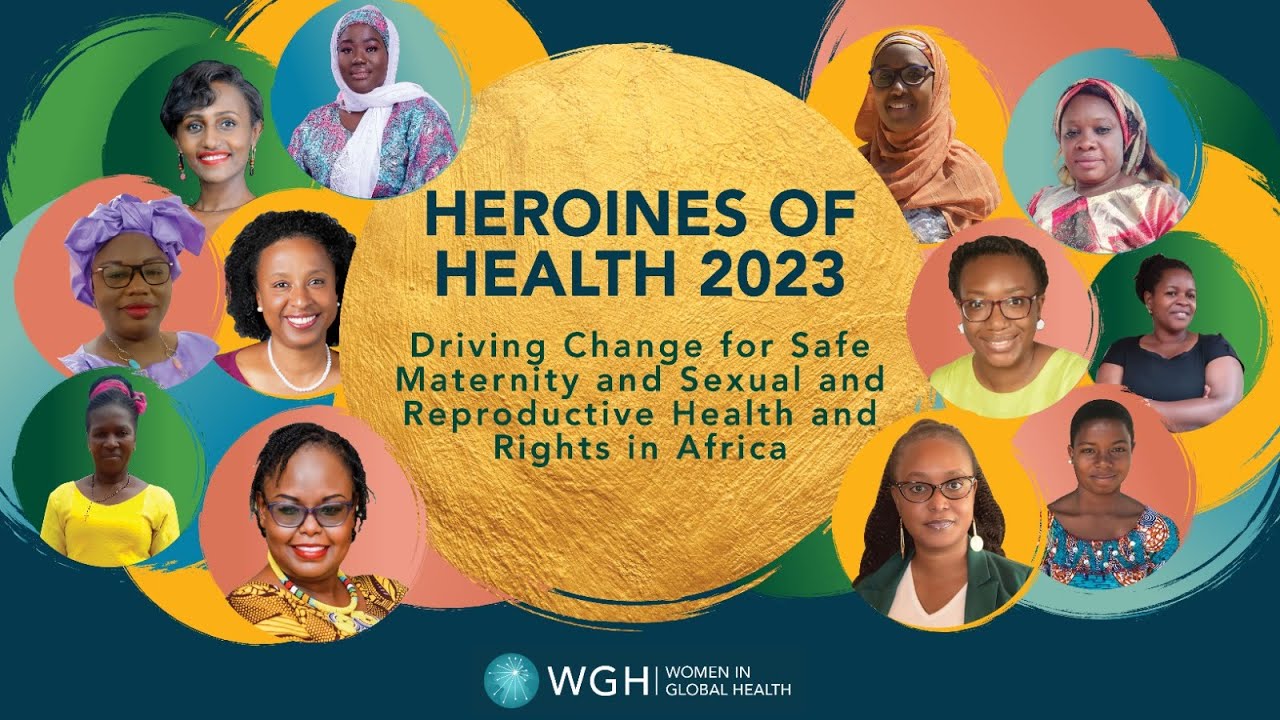
This year, we recognized the contribution of women health workers in Africa in advancing sexual and reproductive health and rights, which are key to guaranteeing the health and bodily autonomy of girls and women and achieving health for all.
These extraordinary women represent the heart and soul of health in Africa and include Community Health Workers, midwives, doctors, nurses and gender advocates. Each brings a unique perspective and expertise and is making an invaluable contribution to realizing the right to health for women and girls especially and to achieving Universal Health Coverage in Africa.
Now, more than ever, we are at a critical juncture for gender equality, and by raising the visibility and achievements of women workers, we want to drive transformative change for equality in leadership, safe and decent working conditions, and fair and equal pay.
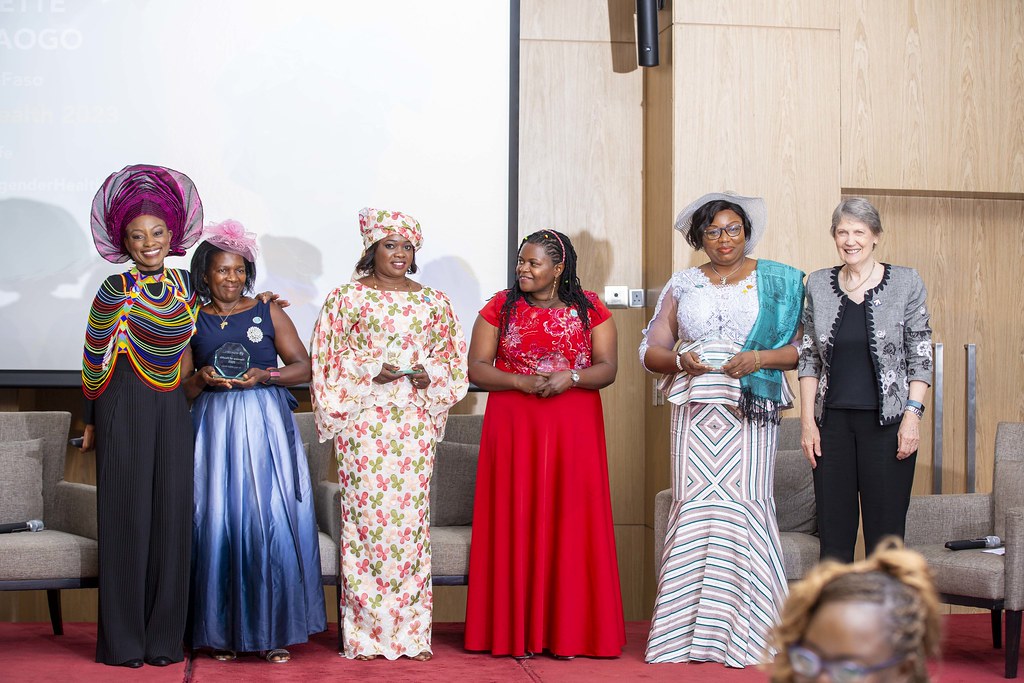
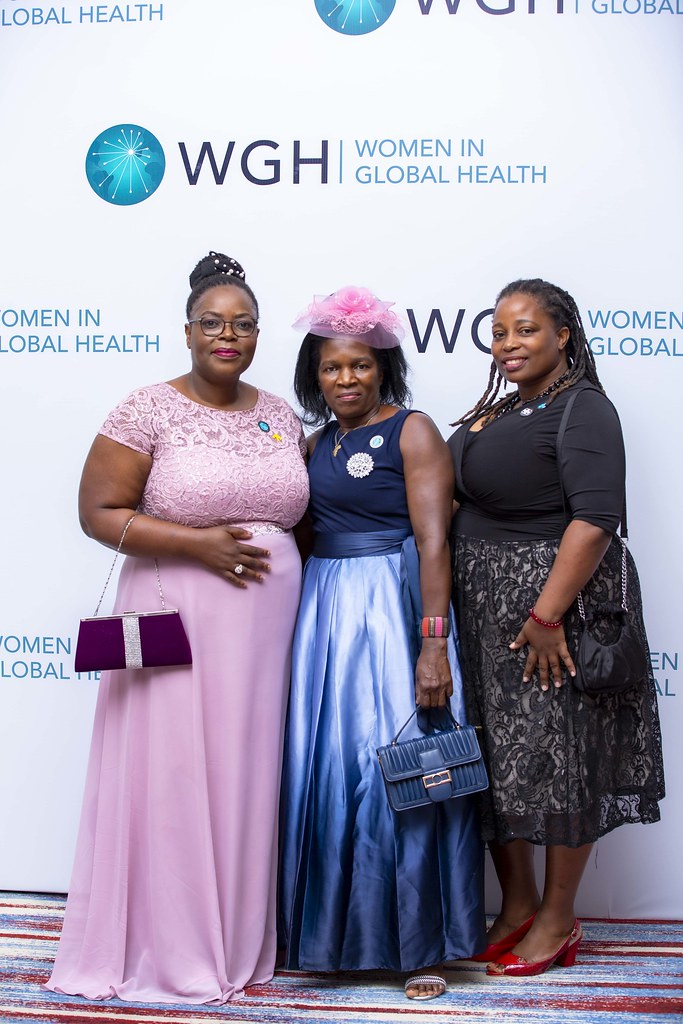
Building on five previous Heroines of Health Awards, Women in Global Health hosted the 2023 Gala during the Women Deliver Conference in Kigali, Rwanda.
In line with the conference’s focus on bodily autonomy and the rights of women and girls, the Gala recognized exceptional women leaders in health driving change for safe maternity, safe abortion, and sexual and reproductive health and rights (SRHR) and to mark the location of the Conference, we focused on inspirational women health workers based exclusively in Africa.
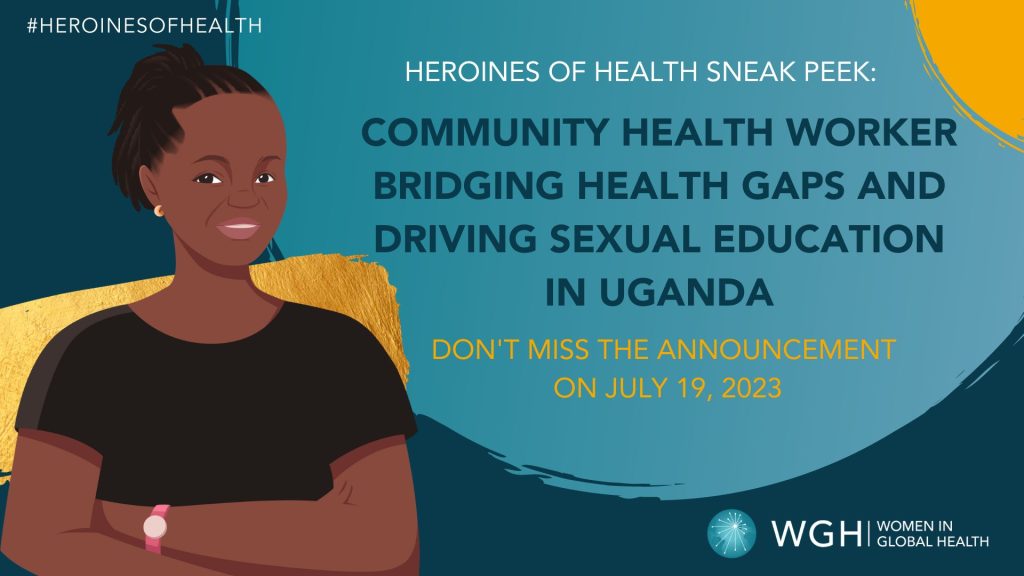
Community health worker (CHW) Ms. Afi Kpaba’s achievements have broken barriers in the traditionally male-dominated health sector of her country. While many local women born and raised in the Sarakawa region of Togo were excluded from the formal labor market, Ms Kpaba refused to accept this limitation.
“Integrate Health had a large meeting with the village chief, looking for people who could provide health services to women and children. I wanted to help by offering people healthcare at no cost,” she said.
In 2015, at the age of 21, she started as a community health worker (CHW) with Integrate Health, wanting to make a difference even though others felt held back by social and gender norms.
In just eight years, she gained the trust and endorsement of her community and has started to extend her knowledge to advise other organizations. She was invited to speak at the UNICEF dialogue on community health care during the COVID-19 pandemic, calling for CHWs to be equipped with fit-for-purpose personal protective equipment.
She points out the pandemic has ongoing consequences. “A lot of people were scared to go to the hospital, kids were not going to school any more after the pandemic, and a lot of girls ended up getting pregnant in the communities. When the kids could not go to school, they didn’t get the chance to have access to the right information and there were so many pregnancies from young girls.”
Working on the frontlines has given Ms. Kpaba experiences she is turning into recommendations for the future. She calls on policy makers to improve health systems by learning from best practices in preparation for future pandemics. She believes that by prioritizing education and sensitization initiatives in schools, the rise in unwanted pregnancies and the related sexual and reproductive health and rights (SRHR) challenges of the last pandemic could be avoided.
She has witnessed a remarkable transformation in her community since the implementation of the Integrated Primary Care Program–deaths and untreated illnesses have declined significantly.
Recognizing that the salary and benefits she receives from Integrate Health are not common for other CHWs who work either for the government or other health actors in the community, she advocates on their behalf for fair compensation, comprehensive training, provision of adequate supplies and regular supervision so they can be supported to deliver quality care.
“Many are mothers who have kids, but now they have learned how to treat people so they can better manage their own health and that of their children, with benefits for the whole community. I would ask the government to count the CHWs that they know are working within their borders. Then, they should be rewarded with the same pay, and the same supplies in particular–many do not have the necessary medical equipment to do their jobs at all.”
Today Ms Kpbaba is the community health leader at the Sarakawa health center and enjoys showing donors on field visits the life-changing impact of the program.
Her advice to young women who are interested in joining the health sector is clear. “Regardless of the challenges and difficulties they might face, they will get ten times the benefits. All of the learning I get from providing health care to communities, to my family, my kids, all that knowledge is what makes it worthwhile in the end.”
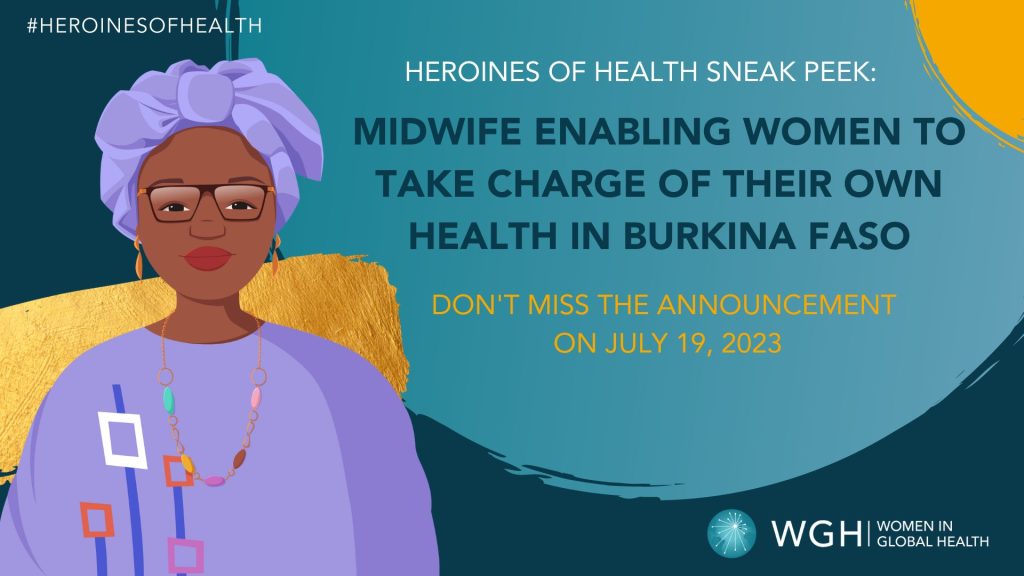
As a young woman, Ms. Konolbé Yvette Ouedraogo dreamed of becoming a teacher, but motivated by her father’s influence and driven by her desire to make a difference in her community, she became a nurse.
The reality of Burkina Faso’s understaffed health system meant that in her first job she had to double as a midwife. “I fell so in love with seeing smiles on the mother’s faces that I just decided to commit to it. In my work, every hour was a working hour, but for me that didn’t matter. I wanted to give them the best of me,” she says.
Witnessing the low rate of assisted births and perinatal counselling services, Ms. Ouedraogo acted. She proposed an innovative plan to deliver quality care by introducing advanced antenatal and postnatal services. Over four years, she successfully improved maternal outcomes, raising the benefits of assisted delivery, and reducing home births from 80% to 20%. She also provided reproductive health services in community health huts.
Ms. Ouedraogo spent 17 years working for the Ministry of Health in Burkina Faso. Her expertise and dedication caught the attention of prominent global health organizations, leading to a further nine years as a humanitarian worker with Medicus Mundi Sur, Terre des Hommes, Plan International, UNFPA and WHO.
As Ms Ouedraogo was promoted into coordinator roles, she missed the direct impact and connection with women she had experienced as a clinician. To compensate and stay connected, Ms. Ouedraogo worked night shifts at the hospital.
“For me it is all about the women. I am extremely sensitive to the needs of others, and this work is the best place to provide help to many people in need,” she says.
Over time, Ms. Ouedraogo has taken on the role of an advocate, mentor, and trainer for other midwives. She has integrated gendered perspectives into her work, recognizing the interconnectedness of health and gender equality. She is a strong advocate for sexual and reproductive health rights (SRHR), given her determination to enable women to take charge of their own bodies.
She has designed and developed training initiatives on Gender and Sexual and Reproductive Health, delivering them to over 400 healthcare workers in the northern region of Burkina Faso. She co-authored a didactic guide on gender and reproductive health and provided related training to 50 teachers. She has coordinated the development of survivor management protocols for gender-based violence across multiple sectors. Ms Ouedraogo has also improved administrative procedures, improving the quality of services delivered, for example increasing birth registration rates and collaborating on the design of an electronic register for maternity consultations.
After 26 years in the field, Ms. Ouedraogo has an urgent message: SRHR issues affect everyone, and she calls on policy makers to recognize the collective responsibility we share and invest more in sexual and reproductive care.
Today, Ms. Ouedraogo holds the position of Gender-Based Violence Regional Advisor for West and Central Africa with EngenderHealth, where her ongoing efforts continue to change the narrative and improve outcomes for women and girls on the African continent.
Ms. Ouedraogo has fulfilled her childhood dream by not only becoming a teacher and mentor to hundreds of health professionals, but also by becoming a role model to aspiring women leaders in her field.
In Nigeria, a country with one of the highest maternal mortality rates in the world, Professor Hadiza Shehu Galadanci has made it her mission to transform maternal healthcare.
Despite growing up in a patriarchal society, Prof. Galadanci’s father, a professor, and educationist, supported and encouraged her. She became the first woman consultant, gynecologist, and Professor of Medicine in the Kano region of Nigeria. She has dedicated her life to reducing maternal and child mortality rates, worked to combat gender disparities in health and has played a pivotal role in shaping policies relating to critical maternal health challenges worldwide.
Professor Galadanci has authored over 100 publications in peer reviewed journals and played a leading role in more than 20 studies with WHO, MacArthur Foundation, FIGO, USAID, UNFPA and the Bill and Melinda Gates Foundation.
She has also been involved in global research that has the potential to change policies addressing key maternal health challenges, such as the WHO Labour Care Guide, the E-Motive Trial to reduce deaths from childbirth-related bleeding, and the IVON trial to prevent anemia in pregnant women in Nigeria.
In addition, Prof. Galadanci actively contributes to various committees and initiatives at national and international levels. She serves on the Steering Committees of the West Africa Health Organization for Reduction of Maternal Mortality, AlignMNH, a global initiative towards accelerated efforts to achieve SDG 3, and TETFund National Research Fund. She is also on the Board of Trustees of the Nigerian Medical Women’s Association, Engender Health Nigeria and chair of the National Reproductive Health Working Group.
Professor Galadanci has also trained and mentored over 2000 medical students, residents, and postgraduate students including regional African students, enabling them to take on leadership roles across Nigeria and the African region.
“I love to share whatever I know, passing it on to others. If I keep it to myself, it is useless. I know they can utilize it to save more lives and subsequently train others,” she affirms.
Despite all of this, Professor Galadanci knows there is much more to be done to achieve equitable healthcare and reduce maternal mortality rates. “I come from a country that has the highest numbers of women dying bringing children into this world. It is time we bring this issue to the forefront of the health agenda and address the inequities that surround women’s health.”
She has received numerous awards including FIGO’s Women Award, the Paul Harrison’s Fellow Award, the KAMSA Merit Award, the Red Ribbon Award for Dedication and Outstanding Commitment to Combat HIV/AIDS in Nigeria, and the Kano State Government Merit Award.
It is now Professor Galadanci’s turn to encourage young women. “Just follow your dreams. Get the knowledge, have the motivation, and then you can get anywhere you set your mind to,” she advises.
One of them is her own daughter who has just finished medical school, and who, like her mother, is now among the growing number of women doctors in Kano.
Growing up in a small village in Ghana, where educational opportunities for girls were scarce and teen pregnancies frequent, Ms. Rukaya Mumuni experienced firsthand the disparities that plague marginalized communities, lack of economic opportunities, inadequate healthcare services, and social stigmatization.
While accompanying her mother and young sister to a routine checkup at their local clinic, Ms. Mumuni encountered a nurse who inspired her to pursue a career in health. “My dreams of ever becoming a nurse looked far-fetched then, but meeting a nurse from my village made me realize that I too can do something for myself and others,” she says.
As the first girl in her family and one of the few women in her village to receive a graduate degree, Ms Mumuni inspired others to pursue a career, including her own sister who also studied to become a nurse.
Since embarking on her nursing journey in 2006, Rukaya has delivered care while representing the voices of women and girls in her community. In her role, she has advocated for improved treatment and service delivery for pregnant women and children within her hospital.
Her work has extended beyond the confines of maternal health, bringing sexual and reproductive health (SRH) interventions to the forefront of her work. By institutionalizing screening initiatives for cervical cancer and breast cancer among hospital staff and community members, she has addressed one of the leading causes of death among women of reproductive age. Ms. Mumuni is also an advocate for expanding access to family planning services, Sexual Reproductive Health and Rights (SRHR) education, and cervical cancer prevention across her district.
She has been a leading voice for the routine human papillomavirus (HPV) vaccination for all adolescents in Ghana. Currently, the vaccine is only available for those who can pay, as it has not yet been included in Ghana’s routine immunization program due to a lack of political will and concerns about low acceptance rates. While the fight is not yet over, HPV vaccination is now on the agenda of policymakers in her country, and Ms. Mumuni is leading the efforts to raise awareness about the importance of the vaccine in her region.
In recognition of her achievements, she has been awarded Best Nurse in the Ga West Municipal District, where she works and was named an Immunization Advocacy Champion by Nursing Now and Sabin Vaccine Institute, for her work on routine vaccination and HPV vaccination and prevention.
She is currently working as a Public Health Officer in Ghana, leading health services for women and girls in the Amasaman sub-district. Her work includes family planning, immunization, growth monitoring, and nutrition assessment. She has also become an advocate for her peers, calling for fair pay and safe and decent working conditions, which includes access to timely vaccination for health professionals.
Ms. Mumuni believes that investing in nurses benefits both individuals and communities. “Many of my peers are leaving Ghana for better paying jobs elsewhere. Adequate compensation and safe working conditions are essential in retaining skilled nurses and fostering a sustainable workforce that can deliver health services across the country,” she says.
Ms Mumuni sums up her journey “It’s about perseverance, it’s about working hard in life and it’s about knowing what you want to do to contribute to society when you become that someone you want to be.”
Despite limited formal education, Ms. Mary William Brown has become a respected community health worker and leader in her local area of Malawi. Since 2004, after being selected by members of her community, she has worked to improve access to contraception for women and adolescent girls and is bettering health outcomes of expecting mothers in the Neno district.
Her decision to focus on maternal health came after she experienced difficulties while delivering her first child at home. She underwent an emergency transfer to the hospital and considers herself lucky to have reached it in time.
Since then, she has dedicated herself to reducing maternal deaths and complications. With the support of the four CHWs she supervises, they collectively identify and refer 75% of pregnancies to the nearest facility. Through regular home visits, she conducts health screenings, provides education, and accompanies pregnant women and new mothers to healthcare facilities.
Since 2010 the community she supports has not had any maternal deaths and up to 80% of the postnatal women in her district attend postnatal care.
She also identifies women in need of family planning services and refers them to appropriate facilities. Her efforts have led to 70% of women of childbearing age now accessing family planning services, despite the nearest facility not offering modern contraceptives due to religious reasons.
She believes that access to contraceptives and sexual and reproductive health services enable women to make informed choices about their health, space out their pregnancies, and provides a foundation for a dignified life for their children. “Family planning gives women the opportunity to give birth by choice and not by chance,” she says.
Ms. William’s dedication extends to collaborations with other community-based organizations to bring healthcare services to underserved areas in the district. Recognizing the significance of her work, she was invited to share her experiences and insights at the official launch of Partners in Health ‘s strategic plan, both at the district and national levels.
Through her participation, she strives to amplify the voices of women within her community, emphasizing the importance of their perspectives and experiences in shaping healthcare decisions. “Nothing about us, without us,” she emphasizes.
She also highlights key factors that are crucial for CHWs to perform their roles effectively. She lists the need for comprehensive information, mentorship programs, regular training, and access to necessary materials, including educational resources. Ms. William emphasizes the need for fair compensation, reliable transportation, and communication tools for CHWs.
Ms. William’s impact continues to broaden, she trains and mentors new CHWs and ensures the continuity of comprehensive healthcare in the Neno district. She wants to help others make a lasting impact in their communities too.
Given the compensation for a community health worker (CHW) is not enough to support a family of three children, Ms. Prossy Muyingo also works as a hairdresser. But her second job supports the first—long braiding sessions are the perfect opportunity to educate her clients on vaccination, reproductive health, and disease prevention.
Ms. Muyingo became a health worker after finding village services in her hometown in Uganda, could not provide enough support for her son, diagnosed with sickle cell anemia. In choosing her field, she decided to concentrate on the most underserved communities, wanting to improve their health and well-being.
Through her work over years of providing vital services, Ms Muyingo has built deep-rooted relationships and is grateful for the trust her community places in her. Her commitment has not gone unnoticed, earning her admiration from both her neighbors and fellow CHWs worldwide.
Guided by the belief that women should have the autonomy to make informed choices about their health, she educates young women on reproductive health, including options for contraception and prevention of sexually transmitted disease. She gives essential malaria, diarrhea, and pneumonia treatments to children under five, offers pregnant and new mothers vaccination and antenatal counseling and organizes referrals and follow ups.
“I am the first beneficiary of my work,” Ms. Muyingo confidently asserts, emphasizing her deep appreciation for the constant learning and growth opportunities it provides. She understands the importance of expanding her knowledge and expertise to deliver high-quality and comprehensive health services.
Her care extends to her peers. She recognizes the importance of continuous learning and capacity building, mentoring, and sharing her knowledge and experience with fellow community health workers. She has contributed her expertise and first-hand knowledge to the development of an online advocacy training course for CHWs, benefiting thousands of women across the African region.
Ms. Muyingo is a strong advocate for fair pay and decent working conditions for all community health workers. “It’s time for policymakers to think about us. We need to be fairly compensated, properly equipped and continuously trained”.
Her influential voice has reached a wider audience through engagements such as a podcast series with Johnson & Johnson, Global Health Open mic events, and advocating for her peers in relevant global health forums such as the African Health Agenda International Conference.
She believes those in charge need to acknowledge and understand the integral role CHWs play in bridging the gap between the healthcare system and the most vulnerable populations.
“You can rely on community health workers, we know what we are doing. We know the community better than anyone. Here is where we live, where we stay, and where we work through our lived experiences. When you pay community health workers you support the whole community.”
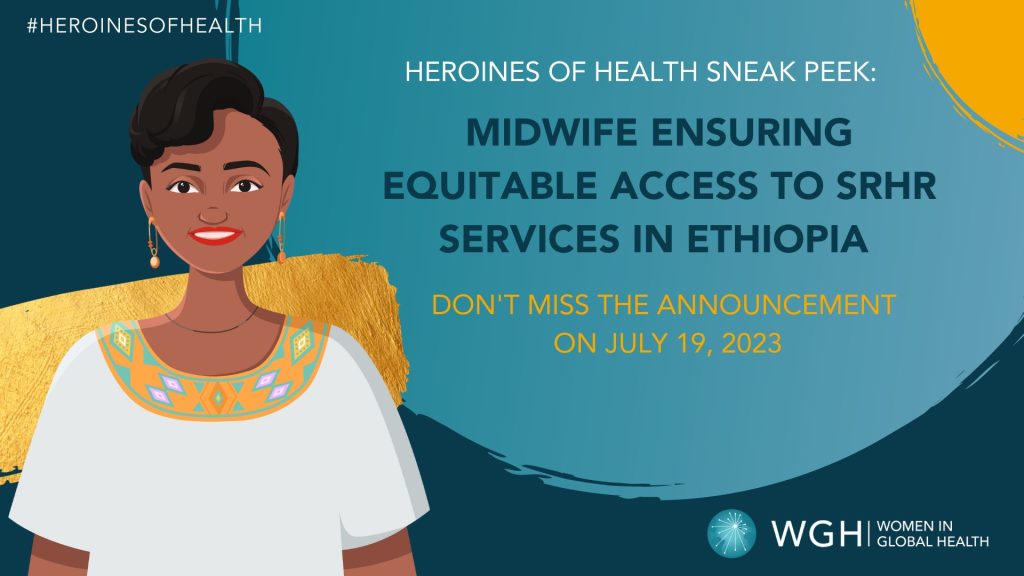
In her youth, Ms. Meskerem Setegne suffered from epistaxis, a medical condition causing excessive nosebleeds and irregular menstrual bleeding. The treatment she received in Ethiopia’s government-run health centers inspired her to pursue a career in health.
She trained as a midwife and is now Project Director for the Rights-Based Approach to Enhancing SRHR Project with Engender Health, Ethiopia.
Initially Ms. Setegne worked as a direct service provider in a public health center delivering care for children, young people, and women in rural and urban settings. This experience helped her to understand the challenges and barriers women and girls face in accessing Sexual and Reproductive Health and Rights (SRHR) services.
During her second year of work, Ms. Setegne enrolled in safe abortion training. In Ethiopia, due to personal views and religious adherence, very few health workers wanted to attend such training, she recalls, but Ms. Setegne was motivated by women and girls she had met. One young girl in particular stands out in her mind.
“She was a young girl of 15, living 400 kilometers from Addis, with no available transport. The girl had been raped and she came seeking help and safe abortion in her local health facility. We couldn’t do anything. We had no equipment, no adequate training and didn’t have the ability to help her or offer any service. So we gave her information and advised her to travel to the city to seek that service,” she says.
Such stories were commonplace in Ethiopia, Ms. Setegne explains, before the government introduced legislation, which has since transformed health outcomes.
“Ten years ago in Ethiopia, 30-50% of in-hospital maternal deaths were from complications of abortion. Today abortion is available under certain circumstances for example, as a result of rape or incest or age of the mother, and if presenting immediate danger to the mother or child.”
Though the maternal mortality rate contribution from unsafe abortion has reduced significantly, to 4% today, and despite the fact that Ethiopia now has policies and frameworks in place, service-related barriers still remain.
“We need to do more in terms of equity and ensuring access to those services. The changes need to happen at ministry and at district level and managers need to be supported to apply the law. Stigma and maltreatment still exist, and this leads to increased infections and related challenges.”
Ms. Setegne’s work focuses on advocacy and capacity-building. Collaborating closely with district health offices, she has helped set priorities and allocate resources to ensure equitable access to SRHR services.
She has also become a champion for empowering young people, partnering with women and youth-led organizations to sensitize communities.
The Packard Foundation recently awarded her with the 2022 Quality Innovation Challenge.
Ms. Setegne’s advice to young girls looking to enter the health sector is simple, “At a young age it is important to actively participate in community work in different organizations so you can build their capacity. Be active, have a goal in your life and never stop dreaming.”
Dr. Gwladys Kouakou, a highly skilled public health professional specializing in community health, women’s health, and Universal Health Coverage has been making significant gains in improving healthcare in Côte d’Ivoire, her native country. Since graduating from Félix Houphouët Boigny University in 2015, she has held various positions leading projects to promote women’s health and reproductive rights.
Her journey began as a clinician in the Neonatology Unit of a health center with Doctors Without Borders (MSF), where she trained nurses and midwives to ensure safe deliveries for women and girls. It was during this time that she experienced a distressing incident which would shape her future.
A pregnant woman was experiencing birth difficulty, but Dr Kouakou was unable to obtain the husband’s approval to refer the newborn for specialized treatment in another city. The child died.
“I saw that if we had enough qualified doctors for the population in more areas, we could reduce this kind of mortality,” she says.
Dr. Kouakou later joined Action Against Hunger, where she focused on educating young girls about safe sexual and reproductive health (SRHR) practices. She then moved on to Population Services International, where she provided support and information to young women in high-risk professions, emphasizing the importance of frequent screenings and HIV prevention.
Recognizing the vital role of women leaders as role models for aspiring young professionals, Dr. Kouakou emphasizes the need for intergenerational unity and collaboration. She encourages young women in the health sector to continuously improve their skills, fearlessly pursue leadership positions, and seize opportunities in decision-making spaces.
“We should invite the young generation to unite with senior professionals so we can together advocate for the same things.”
In 2022, Dr. Kouakou joined Muso, a Non-Governmental Organization, based in Mali and Cote Côte d’Ivoire, as the Clinical Learning and Training Manager, leveraging her extensive experience in directing successful health training programs and her commitment for equitable and accessible healthcare for women and children.
Throughout her career, she has trained a wide range of health professionals, managed innovative projects spanning nutrition, mental health, and reproductive health, and successfully led care delivery teams.
She is particularly impressed by the impact of digital interventions which she has helped deliver during her time with Muso, “Through digital information sessions with community members and online capacity building with health professionals, we have been able to reduce home deliveries, late pregnancy consultations, and pregnancy complications. In this way, we can contribute to the reduction of maternal deaths.”
Dr. Kouakou has a clear demand for decision makers from local to global levels. “Enable women through education, particularly in rural and urban areas. Decision-makers must help women to have better access to opportunities, as they are often overlooked in leadership roles.”
Dr. Kouakou highlights the importance of empowering the community, “Engage with women and girls at the community level and grant them the ability to take care of their own health and chart their own destiny.”
Phylis Mbeke Ndolo, from Kenya, is an activist and feminist with impaired vision who has been working with grassroots organizations in her native country for over a decade. She focuses on integrating disability rights into the reproductive justice movement and emphasizes the importance of a community lens in driving policy change.
As the Founder and Executive Director of Women Spaces Africa, Ms. Ndolo is committed to creating inclusive and sustainable development spaces for women and girls with disabilities.
“We are the only disability organization working on abortion and disability. We take pride in that and in gaining ground to sensitize women and girls and be part of advocacy interventions.”
Women Spaces Africa promotes safer abortion methods, improves physical access to safe abortion services, and raises awareness among health service providers about the specific needs of women and girls with disabilities.
“I encountered girls on crutches, girls in wheelchairs who wanted to access our spaces and were not able to do that. Because of the discrimination I experienced as a result of low vision, I decided to establish a new initiative and create spaces where women and girls with disabilities are given a voice.”
Her call to decision-makers, partners, and networks to bring disability to the center of the agenda highlights the ongoing journey toward achieving full inclusion and the need for persistence and collaboration. Women Spaces Africa adopts an evidence-based and human rights-oriented approach. The organization is run and led by women living with disabilities, adhering to the principles of the Convention on the Rights of Persons with Disabilities.
“Deaf girls and women want sign language interpreters, but the mainstream will not take care of that because it is an extra cost in intervention provision. The visually impaired need guides to escort them, but the mainstream excludes them because no funding has been allocated.”
The HER VOICE project, which she leads, trains community health workers with disabilities as peer educators, conducts community outreach and home visits, and integrates economic empowerment skills training with sexual and reproductive health (SRHR) education.
“We want to expand beyond Kenya into the East Africa region. We are looking for more partners and networks. We can’t work in silos to achieve our dreams and goals,” she says.
Since its inception, the project has trained numerous community health workers, reached hundreds of women and girls with disabilities, and improved disability-friendly medical abortion services in 39 healthcare facilities. Her team’s achievements have gained recognition both locally and internationally, leading to the organization’s inclusion in the Nairobi Principles Committee on abortion, prenatal testing, and disability.
Despite the progress made, Ms Ndolo acknowledges that there is still much to be done. She emphasizes the need for disability to move from the margins to the center, urging partners, governments, and networks to prioritize disability inclusion in their interventions.
“Disability continues to be clubbed together with other marginalized groups. We are not achieving as much as we want. It is a journey, and we will not reach our goals at one given time, but with persistence and resilience I believe we will achieve it.”
As an anesthesiologist in Uganda, a country with one of the world’s highest maternal mortality rates, Dr. Elizabeth Igaga has seen the life of a new mother or her baby end tragically. She knows that many lives could have been saved with better equipment, better training, and better health systems.
“Some people say anesthesiology found me, I believe we chose each other,” says Dr. Igaga. She believes ensuring safe surgery and delivering anesthesia care is contributing to the rights of women and girls.
When she was only a second-year resident, Dr. Igaga published her first peer-reviewed article. It concluded women in Uganda routinely experienced severe pain following c-sections but were not reporting it because they and their babies were alive and otherwise healthy; they had no expectation of anything more.
She was part of the team that advocated for the use of intrathecal morphine during labor and oral medication after delivery to enable patients to manage their pain, while addressing the human resource challenges linked to administering parenteral analgesia. Her advocacy resulted in changes to anesthesia and pain relief approaches during labor in maternity wards nationwide.
Her experience as a mother also contributed. “I wish that every woman could have the kind of experience I had. I do not take it for granted. If I can get that kind of experience in a Ugandan hospital, every woman should walk into the hospital and feel as supported,” she says.
Dr. Igaga has published a number of influential articles in leading journals describing barriers and opportunities for improving anesthetic care for Africa’s most at-risk patients. She is currently an author in an upcoming paper exploring the critical role of women anesthesiologists in Africa.
Dr. Igaga started out as one of the only 40 anesthesiologists in her country. Uganda now has over 80 anesthesiologists, and nearly half of them are women. This is no accident; she serves as a mentor to many aspiring young women doctors across the country.
“It is important to have women in the room because they bring a different and important perspective. We need to be intentional about looking around, identifying those women, opening doors for them, and ensuring that they are seated at that table.”
Dr. Igaga is now SmileTrain’s first Director of Safety and Quality (S&Q), ensuring that each of the 100,000+ cleft surgeries the organization supports in 75+ countries meet the highest standards of care. She has trained hundreds of professionals that have gone on to train others, increasing the impact of surgery safety around the world.
She continues to advocate for better policies and practices, and she calls for increased public investment for safe surgery and Universal Health Coverage, to governments and on the stage in international medical conferences.
Dr. Igaga is changing the face of anesthesia by using every tool, platform, and skill at her disposal to create healthcare equity for some of the world’s most vulnerable new mothers and children while showing other African women what is possible.
In the remote and rural region of Médina district, Senegal, midwife Joséphine Djiboune, was determined to make a lasting difference for women villagers, despite the challenges of limited services and inadequate health infrastructure.
As a mother of three and with her husband living hours away in Dakar, Ms. Djiboune drew inspiration from her childhood experiences. She recalls bringing meals to her sister, also a midwife, at the local health center. Witnessing the joy of delivering babies and helping women in need fueled her passion for the profession. “I truly love children and newborn babies,” she says.
Ms. Djiboune has made a major contribution to the numbers of prenatal and postnatal consultations, and to increasing the number of deliveries in facilities with the assistance of qualified health workers. Thanks to her work in strengthening access to healthcare and her commitment to combating gender-based violence, she was promoted to Reproductive Health Coordinator in the Médina Yoro Foulah district by the State of Senegal in 2016 and named an Amref “Champion” in 2022.
In the her district, she manages the health center, trains midwives, engages with the community, and supervises management staff to further strengthen access, quality of care and reproductive rights for women.
Clinicians face significant challenges in Médina. There are not enough health services for a population of nearly 200,000. Many have to endure long journeys on foot or by motorbike, often covering 15 kilometers, just to reach the nearest health center.
“You can see how difficult it is for women to get the support when they need it,” she explains. “It’s a hard-to-reach area, with a significant illiterate population who often faces a debt burden as a result of their health costs.”
To address these obstacles, Ms. Djiboune led the establishment of new health facilities at the district level. By providing midwives and nurses in these posts, she anticipates a brighter future where outcomes for newborns can be improved. She highlights the importance of intra-district transport, such as motorcycles, which play a vital role in ensuring prompt medical attention for infants in distress.
Ms. Djiboune is committed to raising awareness in the community, utilizing public radio broadcasts as a platform to bring health services closer to the people. Recognizing the critical importance of adequate resources in the healthcare system, she also advocates for improved health services throughout Senegal.
Despite the challenging conditions, Ms. Djiboune is determined to reduce maternal and neonatal mortality rates. “I believe we will get there and enable the health system to reach its full potential,” she states confidently.
As a midwife and healthcare professional, Ms. Djiboune recognizes the social responsibility that comes with her profession. She believes that everyone, regardless of their background, has a right to health. Through her dedication and hard work, she strives to improve the overall well-being of the Senegalese people.
“We’ve chosen to be midwives, health workers, health professionals, so it is our duty to stay here to help the community improve their health,” she says.
Ms. Worknesh Kereta, nicknamed “Mother of Youth” by her peers, is a nurse and public health professional who has dedicated her career to revolutionizing sexual and reproductive health (SRH) services for adolescents and youth in Ethiopia.
Her mother’s experience of teenage pregnancies and early death from pregnancy-related complications motivated Ms. Kereta to ensure young women have access to comprehensive SRH services and education.
“If you educate a girl, she will have knowledge of her individual rights and her freedom of choice and will exercise those rights. She can then educate her family and her whole community,” she says, while pointing out Ethiopia’s high teen pregnancy rates, which are currently around 13%.
Ms. Kereta initially practiced as a nurse in rural Ethiopia, but due to understaffing, also served as a midwife and pharmacist. She then relocated to the regional capital of the Southern Nations, Nationalities, and People’s State, eventually becoming a tutor, assistant director, and director of the health professional training college there. She continued as a coordinator at a regional training center where she established inclusivity programs, training health professionals to work holistically in rural communities.
As a mother of three, she understands the physical, emotional, social, and mental changes children undergo during their formative years. Early on in her career, she recognized the importance of mentorship and counseling in shaping young lives. After joining Pathfinder Ethiopia and getting learnings and insights from a Pathfinder-led model program in Mozambique, she piloted a Youth Friendly Services (YFS) program from the ground up. Ms. Kereta started by integrating youth-friendly health services in 20 health facilities that have since been scaled up and expanded in Ethiopia across 668 public health facilities.
The YFS offers a comprehensive health service that maintains confidentiality and privacy for adolescents and youth to access counseling and health services on various health-related matters, including contraception, abortion care, menstrual health management, HIV and sexually transmitted diseases.
Over the past 17 years, Ms. Kereta has expanded the YFS pilot program into a nationwide initiative with dedicated Centers of Excellence. Today, the government of Ethiopia has become a proactive partner in developing, funding, and implementing a national program for adolescents and youth.
“There have been huge changes since the start of this program. There are still challenges, still areas with limited access. But ownership has been taken by the Ministry of Health. We will no longer look back, the program will continue to get stronger,” she says.
“There are 33 million adolescents and youth in Ethiopia, and they are my children, my family. We need to help them get age-appropriate SRH information and services, raise their own voices to participate in the policy-making process, engage in community action and become active citizens,” she says.
Ms. Kereta is the first woman to have received a gold medal award from the Ethiopian Public Health Association. By integrating services for young people into the public health system, she has created a platform for adolescents and youth engagement that enables them to manage their own well-being.