Author: created_mng

WHO Renews Women in Global Health’s Non-State Actor Status, Reinforcing Its Role in Global Health Leadership

Geneva, Switzerland  – 6 February 2026

Women in Global Health (WGH) is pleased to announce that the World Health Organization (WHO) Executive Board, at its 158th session, has approved the renewal of WGH’s Non-State Actor (NSA) status, reaffirming our official relations with WHO.

This decision follows a comprehensive review process and confirms WHO’s continued confidence in WGH as a trusted global partner advancing gender equality, equity, and leadership in global health. The renewal reinforces WGH’s role as a leading civil society organization contributing technical expertise, advocacy, and implementation support to WHO’s priorities.

As part of the renewal, WGH and WHO have agreed on a new Plan of Collaboration, which will guide joint work over the next few years. This collaboration will involve engagement with the WHO Gender, Rights, Equity & Sexual Misconduct Prevention Department and the WHO Academy, strengthening efforts to advance gender-responsive health systems and leadership across the global health workforce.

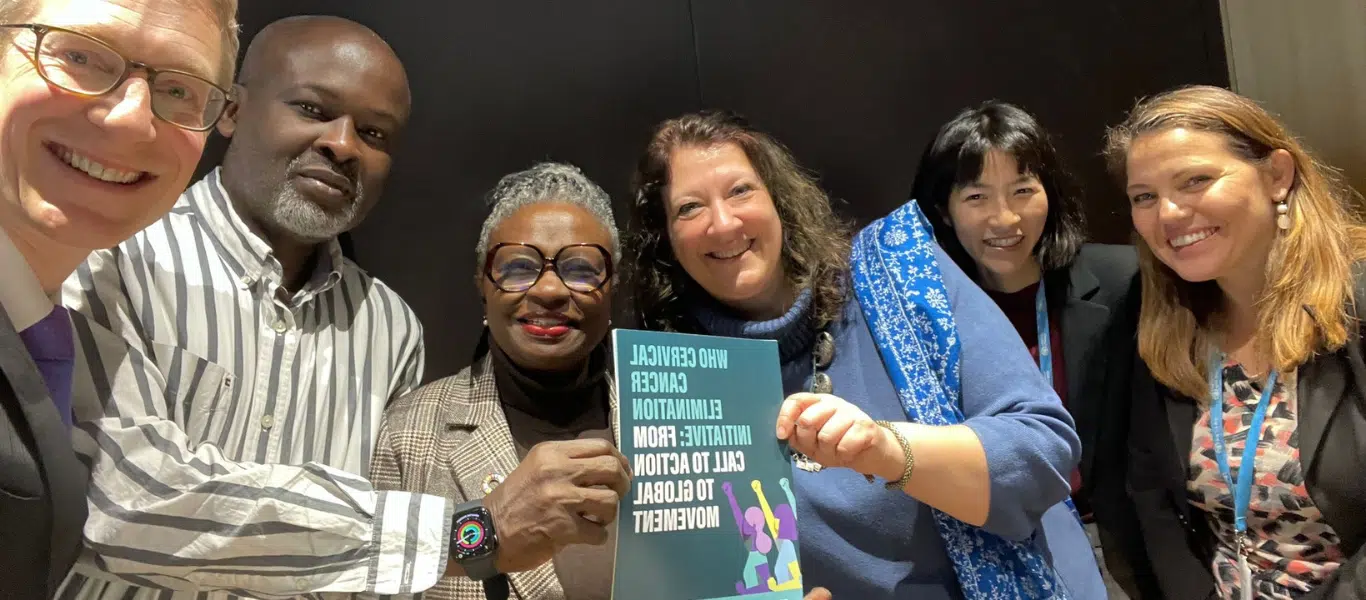
In addition, the collaboration has expanded to include Women in Global Health’s support for the implementation of the WHO Cervical Cancer Elimination Initiative, launched by the WHO Director-General in 2020. This engagement aligns with WGH’s longstanding commitment to addressing gender-based health inequities and advancing women-centered, rights-based approaches to care and its current focus on women’s health, an area that has been plagued by structural and systemic inequities. The renewal of the NSA status is a result of a sustained dialogue and engagement with WHO leadership and reflects WGH’s growing global footprint, credibility, and impact across regions, following renewed and visionary leadership, strategic investment in its institutional strengthening, and coherent advocacy priorities.

Women in Global Health extends its sincere appreciation to its Board, leadership, Chapter members, partners, and allies whose expertise, commitment, and collective action made this milestone possible. This renewed status strengthens WGH’s ability to contribute meaningfully to global health governance and to advance equitable, inclusive, and accountable health systems worldwide

When Survivors Lead: Ending Female Genital Mutilation Through Health Systems Accountability

By Mariam Dahir and Catherine Chacha Menganyi

 Dr. Mariam Dahir is a Somali doctor, researcher and anti-female genital mutilation activist. She is part of the small team that drafted the law against FGM in Somaliland. Dr Dahir is also the co-founder of Women in Global Health Somalia.

 Ms. Catherine Chacha Menganyi HSC  is Migori County’s Gender-Based Violence Coordinator and Chapter Lead for Women in Global Health Kenya. She is a public health specialist, nurse epidemiologist, and gender justice advocate. 

Female genital mutilation (FGM) is often discussed in statistics: more than 230 million girls and women have undergone the practice worldwide, and four million girls are at risk every year. These numbers matter, but they do not tell the whole story. They do not capture the pain carried in our bodies, the silence imposed on our voices, or the moment when we, as health care workers and survivors, decided that survival was not enough. Leadership is required.

We write this as women who live at the intersection of lived experience and professional responsibility. We are survivors of FGM. We are also healthcare workers. We know, intimately and professionally, the harm FGM causes, and the power of health systems to either perpetuate that harm or help end it. From harm to healing and accountability.

For many survivors, health facilities are the first place where the consequences of FGM become visible: complications during menstruation, pregnancy, childbirth, or sexual health care; infections; chronic pain; trauma. Too often, these encounters are marked by stigma, silence, or normalization of the practice. Too often, survivors are treated as clinical cases rather than rights-holders.

This is why the medicalization of FGM is so deeply troubling. An estimated one in four cases of FGM globally is now performed by a health care provider. This is sometimes justified as “harm reduction.” From our perspective, this framing is dangerous. There is no safe form of FGM. When health systems participate in the practice, they do not reduce harm; they legitimize it.

As health workers, we are bound by ethics: do no harm. Ending FGM requires health systems to uphold this principle without exception.

Why Survivors Must Be at the Centre

Survivors are not passive recipients of care. We are experts in our own lives. When survivors are meaningfully involved in shaping policies, services, and accountability mechanisms, the quality and credibility of responses improve.

Meaningful participation means more than consultation. It means:

  • Survivors involved in policy, legislation, and program design, not just implementation;
  • Survivors are represented in the training of health workers, regulators, and policymakers;
  • Survivors engaged in monitoring and accountability, including feedback mechanisms for health services and community oversight; and
  • Survivors are supported, not exploited, to speak – guided by safeguards, dignity, and choice.

When survivors lead, services become more compassionate, laws become more enforceable, and communities begin to shift.

Health Workers as Agents of Change

Women make up the majority of the global health and care workforce. This places women’s health workers in a uniquely powerful position. We are often trusted members of our communities. Our words carry weight. Our silence does too.

Ending FGM within health systems requires:

  • Clear zero-tolerance policies against all forms of FGM, including medicalization;
  • Strong professional regulation and sanctions for violations;
  • Mandatory pre-service and in-service training grounded in human rights and gender equality;
  • Integration of survivor-centred, and trauma-informed care standards into health services; and
  • Safe whistle-blowing and reporting mechanisms, accessible to both patients and providers.

Health workers must be supported to act ethically, even when community pressure is strong. This is not an individual failing; it is a system’s responsibility.

Law, Policy, and Practice Must Work Together

Laws banning FGM matter. They signal that FGM is unacceptable and that girls’ and women’s bodily autonomy is not negotiable. But laws alone are not enough.

Across contexts, we have seen that legal frameworks are effective only when paired with:

  • Consistent enforcement and access to justice;
  • Adequate budgeting for implementation, survivor services, and prevention;
  • Community engagement led by women and girls; and 
  • Alignment with international commitments, including the Convention on the Elimination of All Forms of Discrimination against Women (CEDAW) and the Convention on the Rights of the Child (CRC).

Recent legal developments in Africa, including strategic litigation before regional courts, demonstrate the power of feminist advocacy to strengthen accountability. But these gains remain fragile without sustained political will and financing.

Confronting the Backlash

Efforts to eliminate FGM do not exist in a vacuum. They are unfolding amid a broader backlash against gender equality, bodily autonomy, and women’s rights. Anti-rights movements are increasingly organized, well-resourced, and vocal.

In this context, protecting progress on FGM requires courage. It requires governments to stand firm, donors to stay engaged, and civil society, especially feminist and women-led organizations, to be supported rather than sidelined.

It also requires investing in adolescent girls as leaders. Girls are already challenging harmful gender norms in their schools, families, and communities. But engagement must be safe, ethical, and empowering, not extractive or symbolic.

Investing in What Works

Ending FGM by 2030 is possible, but only if commitments are matched with resources. Yet less than one per cent of bilateral aid currently reaches women’s rights organisations. At the same time, official development assistance is projected to decline further.

When funding is short-term or fragmented, programmes collapse, and girls pay the price.

Investment must prioritize:

  • Girl- and women-led and survivor-led organizations
  • Long-term prevention and norms-change programs
  • Health systems strengthening and accountability
  • Survivor services, including mental health and legal support.

A Call to Action

As survivors and health care workers, we call on governments, donors, and institutions to act with urgency and integrity:

  • End the medicalization of FGM, without exception.
  • Fund women’s leadership, without hesitation.
  • Center survivors, not just in words, but in power and resources.

FGM is not inevitable. It persists because systems allow it to persist. Those systems can, and must, change.

We know this, because we have lived it. And we are leading that change.

Women in Global Health’s Universal Health Coverage (UHC) Champions 2025

Universal health coverage (UHC) is essential for accelerating gender equity in global health because it directly tackles the structural barriers that prevent women and girls from realizing their right to health. When designed and financed in a gender-responsive way, UHC can expand access to quality, affordable services across the life course while reducing the catastrophic out-of-pocket costs that push women and their families deeper into poverty. UHC also creates an opportunity to recognize, protect, and fairly pay the predominantly female health and care workforce, protect women from sexual exploitation, abuse and harassment (SEAH) in the workplace, and ensure women’s full and equitable participation in health decision-making. For Women in Global Health, UHC is not just about service coverage; it is a pathway to transforming power, resources, and accountability in health systems so that women in all their diversity can speak, lead, and decide on health decisions that affect their lives.

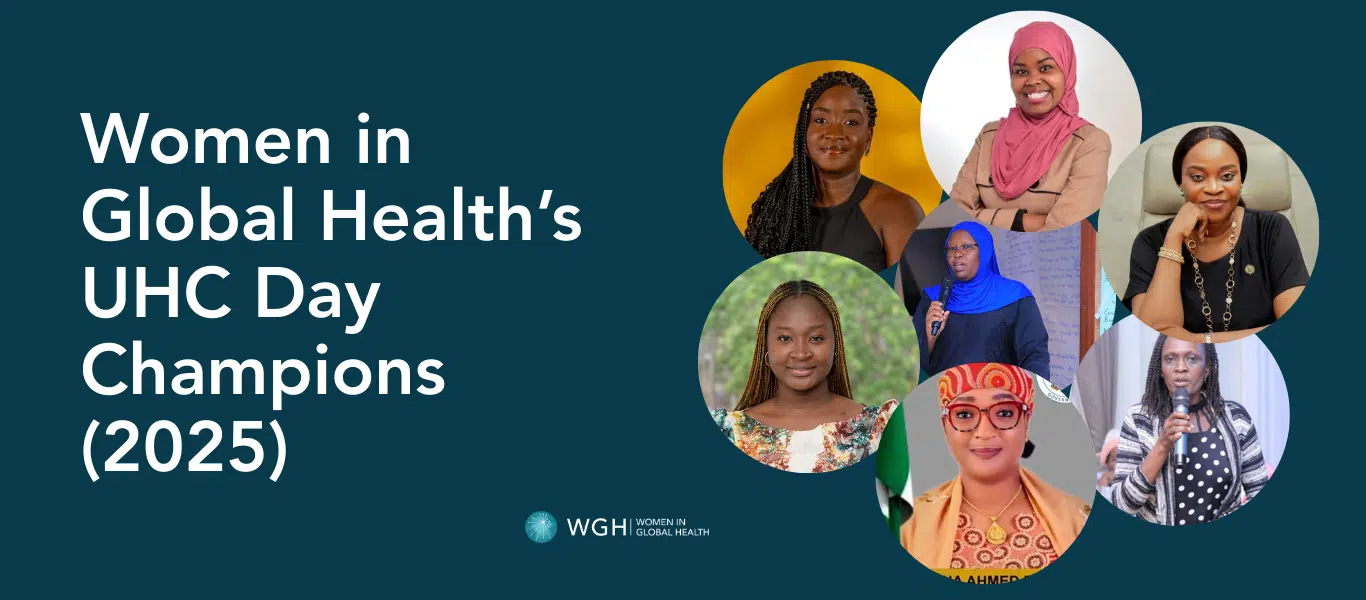
Women in Global Health’s UHC Day Champions (2025)

The following seven exceptional women have been nominated by Women in Global Health for their leadership in advancing UHC.

WGH Kenya

1) Naila Chebet Koech: Public Health Practitioner & Mental Health Advocate

Naila Chebet Koech is a passionate public health practitioner and mental health advocate dedicated to expanding equitable access to community-based health services in Kenya. As Mental Health Lead at Stowelink Foundation, she integrates mental health promotion with NCD prevention and early detection for youth and underserved populations. She has trained more than 600 young people through interactive sessions, including at Zetech University, empowering them to recognize stress, identify warning signs, and seek support. Her outreach extends to informal settlements such as Githurai, where she leads community engagement, screenings, and awareness campaigns. Through her work, Naila is strengthening the foundation of UHC by reducing stigma and ensuring that marginalized communities are not left behind in Kenya’s health agenda. Her work reflects a holistic, people-centered vision of inclusive health for all.

2) Jamila Waiganjo: Community Health Promoter, Makongeni Ward – Nairobi County, Kenya

Jamila Waiganjo is a committed Community Health Promoter advancing UHC at the grassroots level in Makongeni Ward, Nairobi County, Kenya. She focuses on maternal and child health, encouraging pregnant women to attend antenatal clinics and deliver under skilled care. Jamila ensures women are registered with the Social Health Authority (SHA) to access affordable and continuous care, and collaborates with the Child Welfare Clinic to improve child immunisation coverage. Her dedication to preventive care and inclusive access reflects true leadership toward achieving health for all.

3) Jecinta Muthoni Mbugua: Community Health Promoter, Murang’a County, Kenya

Jecinta Muthoni Mbugua is a dedicated Community Health Promoter working to advance UHC in Murang’a County. She plays a critical role in preventing, detecting, and managing NCDs, particularly hypertension and diabetes, among older adults who face barriers to continuous and affordable care. Through home visits and community dialogues, she promotes healthy living, routine screening, and adherence to treatment, helping reduce complications and out-of-pocket costs. She also champions GBV awareness and referral services for survivors. Jecinta’s work reflects UHC’s vision that every person can access the care they need without stigma, exclusion, or financial hardship.

WGH Burkina Faso 

4) Dr. Aicha Nicole Joëlle Millogo: Medical Doctor, Ziniaré District Hospital; Program & Evaluation Lead – WGH Burkina Faso

Dr. Millogo is a general practitioner with more than six years of experience in community health engagement. At WGH Burkina Faso, she is both the Chapter’s treasurer and programme and evaluation manager. Dr. Millogo has contributed to promoting women’s leadership in health and improving equitable access to healthcare, especially for women and vulnerable groups, through awareness campaigns and breast cancer screenings reaching hundreds of women. “As a pediatric practitioner at the district hospital in Ziniaré, I help save lives daily by ensuring children receive equitable access to quality care. UHC is essential for reducing inequalities, protecting the most vulnerable, and strengthening public trust in the health system.”

Dr. Aicha Nicole Joëlle Millogo: Médecin généraliste – Hôpital de district de Ziniaré ; Responsable Programmes & Suivi-évaluation – WGH Burkina Faso

Dr. Millogo possède plus de six ans d’expérience dans l’engagement communautaire au service de la santé publique. Au sein de WGH Burkina Faso, elle contribue à promouvoir le leadership féminin en santé ainsi qu’à améliorer l’accès équitable aux soins, notamment à travers des campagnes de sensibilisation et de dépistage du cancer du sein ayant bénéficié à des centaines de femmes. « En tant que médecin en pédiatrie à Ziniaré, je contribue chaque jour à sauver des vies en garantissant un accès équitable à des soins de qualité. La CSU est essentielle pour réduire les inégalités, protéger les plus vulnérables et renforcer la confiance de la population dans le système de santé. »

5) Habibou Ouedraogo: Health Economist, Ministry of Health; UHC Focal Point & Advocacy Lead – WGH Burkina Faso

Habibou Ouedraogo works with the CHAI Burkina Faso supporting the MOH to improve working conditions and payments for 17,000 community health workers, while strengthening supervision and performance systems. She has also contributed to UHC financing reforms, including digitization of public finance in more than 100 health facilities, improving transparency and resource efficiency. As UHC focal point for WGH Burkina Faso, Habibou advocates for inclusive and gender-responsive health policies. “As a health economist committed to UHC, I work to reduce barriers to care by promoting gender-responsive policies and supporting the Ministry of Health to build a more equitable and resilient system. UHC means ensuring that cost, distance, or discrimination never prevent anyone from accessing quality care.”

Habibou Ouedraogo: Économiste de la santé – CHAI Burkina Faso Point focal CSU & Responsable Plaidoyer – WGH Burkina Faso

Habibou Ouedraogo travaille au de l’ONG CHAI Burkina Faso où elle soutient le Ministère de la Santé dans l’amélioration des conditions de travail et du paiement des 17 000 agents de santé communautaire, ainsi que dans le renforcement du système de supervision et de formation. Elle a également travaillé sur la digitalisation des finances publiques dans plus de 100 structures sanitaires, afin de rendre l’allocation des ressources plus transparente et efficace. En tant que bénévole au sein de WGH Burkina Faso, elle plaide pour des politiques de santé plus inclusives et sensibles au genre. « En tant qu’économiste engagée pour la CSU, je contribue à réduire les barrières d’accès en soutenant des politiques plus équitables et en renforçant un système plus résilient, avec les agents communautaires en première ligne. La CSU garantit qu’aucun coût, aucune distance, ni aucune discrimination n’empêche une personne d’accéder aux soins. 

WGH Nigeria 

6) Dr. Emmanuella Zamba: Permanent Secretary, Lagos State Health Management Agency (LASHMA), Nigeria

Dr. Emmanuella Zamba is a distinguished public health leader with over 30 years of service in strengthening the Lagos State health system. Under her leadership, LASHMA has expanded equitable access to digital and community-based services, pioneered the EkoTelemed telemedicine platform, and introduced innovative insurance schemes tailored for vulnerable and informal sector populations. She has established capacity-building initiatives, introduced regulatory reforms, and led resource mobilisation efforts including EkoSHA to ensure coverage for indigent residents. Through strategic governance and transformative health financing reforms, Dr. Zamba has significantly advanced the state’s progress toward UHC.

7) Dr. Amina Ahmed El-Imam: Commissioner for Health, Kwara State, Nigeria

Dr. Amina Ahmed El-Imam is a transformational health leader driving UHC reforms in Kwara State. She has strengthened tertiary care through the establishment of KWASUTH, expanded access through renovation and solarisation of health facilities, and championed mandatory health insurance for civil servants. Her leadership has improved service delivery, expanded access to previously underserved populations, and earned national recognition, including top rankings in Nigeria’s Health Preparedness Index. A strong advocate for health literacy, Dr. Amina Ahmed El-Imam has launched innovative public education campaigns and continues to champion equitable health financing and resilient systems at state and national levels.

Health for All Begins at the Frontline: A Lady Health Visitor’s Journey to Keeping Pakistan Polio-Free for 25 Years

Country: Pakistan

Author: Saima Asghar 

Email: Somia.iqtadar@gmail.com 

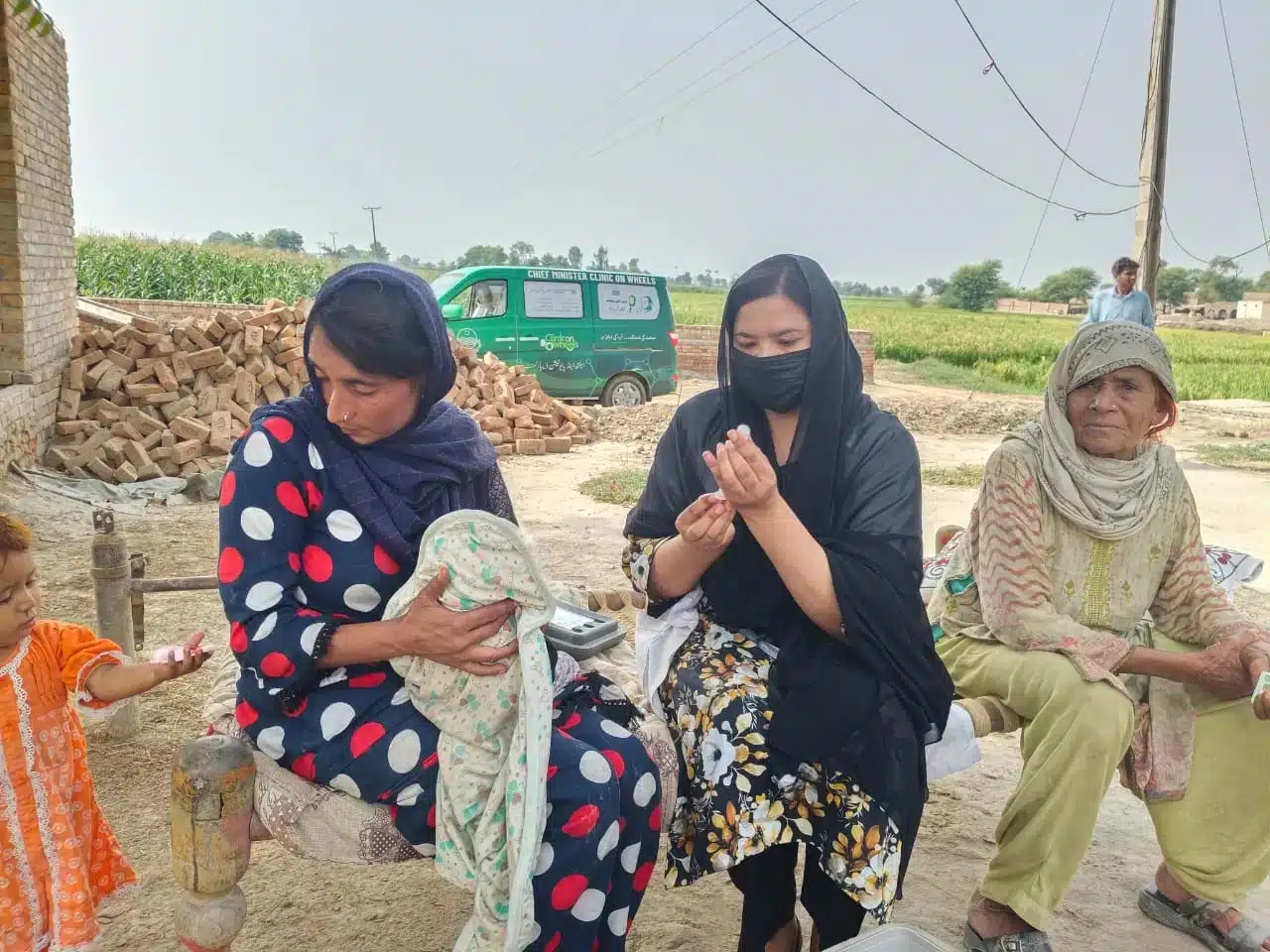
Saima Asghar is a Lady Health Visitor (LHV) deeply engaged in community health, immunization, and maternal, newborn, and child health (MNCH) in Pakistan. Her story shows how local frontline health work connects directly to the global goal of universal health coverage (UHC), and why gender equality matters.

A Mission Beyond Vaccination

My journey as a polio worker began over a decade ago, when I joined the Polio Eradication Programme in Bhawalnagar, Punjab. As an LHV, I was already supporting mothers and children, but witnessing polio’s devastating impact made me determined to protect every child in our community. This work became a mission to safeguard health, not just against a disease, but towards a future where all children enjoy lifelong access to care.

What sustained me was the dedication of frontline workers, especially women, who reached families under difficult conditions: extreme heat, floods, and uncertainty. Their resilience proved that when women are trusted and empowered, real change happens. We committed to extending care beyond vaccines, laying the foundation for broader health access.

Building Trust, Door by Door: Laying Foundations for Universal Health Coverage

For years, polio workers did more than deliver vaccines, we built relationships. We walked from door to door, listened to families’ fears, countered misinformation, and supported mothers with guidance on child nutrition, growth, and access to health services. For many households, we were their first and only link to organized health care.

My role was to ensure that our teams felt safe, supported, and equipped, and that communities felt they could trust us. We provided training, addressed logistical challenges, and built referral systems so even children who missed a dose could access primary care later. Through consistent engagement, our work evolved, from narrow vaccination campaigns to community-based primary health outreach essential for UHC.

Overcoming Obstacles: Resilience in Action

We faced many obstacles: security threats, community mistrust, extreme weather, fatigue after long campaigns. Still, our shared purpose kept us going. Supervisors, LHVs, vaccinators, we supported one another, reminding ourselves that every single dose could change a child’s future. By returning with respect, listening with empathy, and showing up consistently, we slowly built trust. What started as hesitation transformed into acceptance. That trust was our most valuable tool, and a powerful step toward inclusive, community-based health care.

A Ripple Effect Beyond Polio: Towards Gender-Responsive Health Systems

Our visits didn’t just stop polio, they built hope. Families came to see us as trusted health partners. Over time, women began asking about pregnancy, breastfeeding, childhood illnesses, and general maternal and child health. They started making informed decisions, often for the first time, about their health and their children’s future.

The polio programme became a gateway to broader health awareness and empowerment. It showed how access to care, community trust, and women’s participation can transform health outcomes. This ripple effect reflects what global health experts call a gender-responsive health system: a system that understands how gender shapes access, equity, and care. 

25 Years Polio-Free: A Shared Victory: Building Blocks of Universal Health Coverage

Bhawalnagar has remained polio-free since 2000, 25 years without a single case. This success is not the result of one person’s effort, but of collective action: every polio worker, every LHV, every health professional, every community member who opened their door and stood with us. Because of this collaboration, thousands of children gained the chance to grow up healthy, strong, and free from polio’s threat.

That sustained success shows what is possible when we commit to health as a right. It is a living example of how UHC, access to essential health services for all, can begin at the community level.

Lessons in Leadership, Perseverance, and Equity

If there is one lesson I have learned, it is that perseverance and empathy are the strongest tools a leader can carry. The LVH, as women, brought unique strength to community health leadership: they listened deeply, reassured mothers, and built relationships that drove real change.

Public health leadership must stand with both teams and communities. It must uphold the principle that health care is a human right, not a privilege. UHC is not just about services, it’s about justice, dignity, and equality. As a woman working on the front lines, I believe that gender equality in health leadership is essential to make health coverage truly universal. 

Looking Ahead: UHC Day and Our Continued Mission

As we approach this year’s International UHC Day on December 12, I reflect on what our journey means for the future. Our polio work demonstrates how local, community-driven health action, grounded in trust, gender equity, and commitment, forms the foundation for resilient health systems.

If all countries commit to the promise of UHC, quality, accessible, affordable care for all, and design systems that center women’s voices and leadership, then the vision of health for all becomes achievable.

My wish is simple: that every child, every mother, every woman and girl across Pakistan, and beyond, has access to care, protection, and opportunity. Because when women lead, health systems become stronger, fairer, and truly universal.
Ending Technology-Facilitated Gender-based Violence (TFGBV) for Gender Equity in Global Health

By Mariam Dahir, Clare Szalay Timbo, Francisca Castro Mendes, and Wanjiku Ngigi

An infectious-disease physician shares evidence-based updates about vaccines, and her social media fills with misogynistic insults and violent threats.

A reproductive-health researcher publishes new data on maternal mortality, and coordinated accounts brand her work “political,” flooding her inbox with messages telling her to stop.

A young health activist leads a campaign against gender-based violence (GBV), only to see her name, workplace, and city circulated online alongside derogatory comments about her character.

These are not hypotheticals.

For women leading change in health, including clinicians, researchers, policymakers, and activists, technology-facilitated gender-based violence (TFGBV) is a rapidly escalating threat and reality. Such behavior undermines their safety, silences their voices, and discourages them from stepping into the leadership roles where they are most needed.

TFGBV: One of the Fastest-Growing Forms of GBV

According to UNFPA, TFGBV “is an act of violence perpetrated by one or more individuals that is committed, assisted, aggravated and amplified in part or fully by the use of information and communication technologies or digital media against a person on the basis of gender.”

The European Institute for Gender Equality estimates that 1 in 10 women has already experienced some form of cyber violence starting as young as by the age of 15. And the danger is not confined to screens – online violence frequently spills offline, threatening women’s safety, mental health, mobility, careers, and leadership opportunities.

As spotlighted in this year’s 16 Days of Activism against GBV UNiTE campaign, which calls for ending digital violence against women and girls, digital safety is fundamental to achieving gender equality.

Why TFGBV Matters for Health

As members of Women in Global Health, a women-led movement with 65 Chapters in over 60 countries, we know that women cannot fully or equally participate in health leadership if they are targeted, threatened, or silenced online or beyond.

The stark evidence is clear. During COVID-19,  67% of women physicians and scientists reported gender-based harassment on social media, compared with just 12% of men, most often in response to their health-related advocacy. A 2023 global study on women human-rights defenders found that 75% had experienced harassment or threats in recent years, including online attacks, with a documented increase compared to previous years.

TFGBV erodes women’s safety, silences their expertise, and discourages them from public leadership, at a time when health systems urgently need their voices.

Digital Platforms Can Advance Gender Equity in Health — When They Are Safe

Digital platforms have the potential to transform the health sector in ways that directly advance gender equity and women’s leadership. When designed and governed inclusively, they can expand women’s access to quality information and services, including sexual and reproductive health, mental health, and GBV support, while helping them overcome barriers of distance, stigma, and time. For women health and care workers, digital tools can create new pathways for training, mentorship, networking, and visibility, particularly in rural or under-resourced settings. Digital and online resources can also strengthen transparency and accountability by tracking inequities in pay, workloads, and career progression, and documenting violence and harassment. Emerging evidence shows that digital health technologies can positively affect women’s health, empowerment, and gender equality. This requires closing gender gaps in access, representation in data, and leadership in digital health institutions.

But these benefits are only possible when digital spaces are safe.

Without protection from TFGBV, digital tools and spaces become sources of harm and intimidation rather than empowerment.

Five Calls to Action to End TFGBV

Women in Global Health calls on governments, tech companies, employers, civil society, and global health institutions to act now:

1. Protect

Strengthen laws, platform standards, and workplace policies to safeguard women and girls’ digital rights, privacy, and safety.

2. Promote

Advance women’s leadership in digital health, technology governance, and data stewardship, especially for women from the Global South.

3. Prevent

Invest in digital literacy, safe-by-design technologies, and proactive systems that detect and reduce online harms.

4. Respond

Ensure survivor-centred, trauma-informed support, accessible reporting pathways, and accountability mechanisms that hold perpetrators responsible.

5. Partner

Build coalitions to co-create digital spaces where women in health can advocate, lead, and participate fully and safely.

A Call for Collective Action

TFGBV is not just a digital issue – it is a gender equity issue across health systems.
Ending TFGBV is essential for women to realize their right to health, exercise their leadership skills, and shape the policies, laws, and practices that affect everyone’s lives.

Together, we can build a digital world where every woman realizes her right to health and a life free from violence and discrimination.

We hope you will join us by supporting this Call to Action.