Women health workers are on the frontlines of crisis response, yet they often face heightened risks of Sexual Exploitation, Abuse, and Harassment (SEAH)—especially in conflict zones, displacement camps, and fragile health systems. On November 26, 2024, Women in Global Health convened a critical webinar alongside its global chapters to address these urgent challenges.
This report captures the key discussions from the event, highlighting the impact of the global displacement crisis, the role of community health workers (CHWs) in preventing SEAH, and the urgent need for stronger protection mechanisms. It brings together insights from global health leaders, policy experts, and frontline responders to advocate for effective Prevention of SEAH (PRSEAH) strategies, improved reporting systems, and survivor-centered approaches.
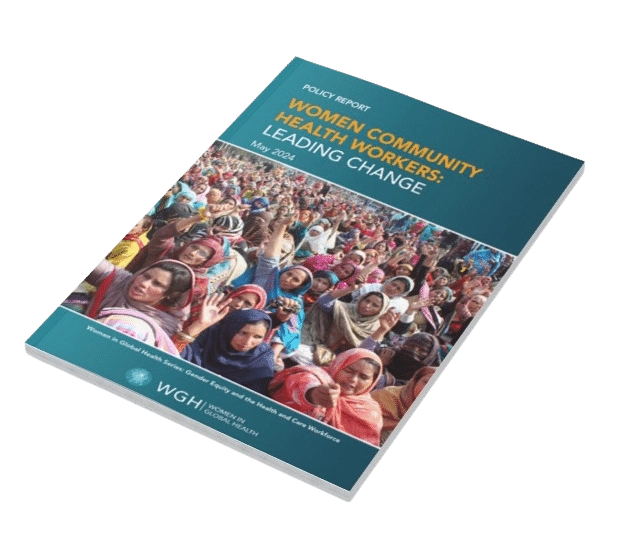
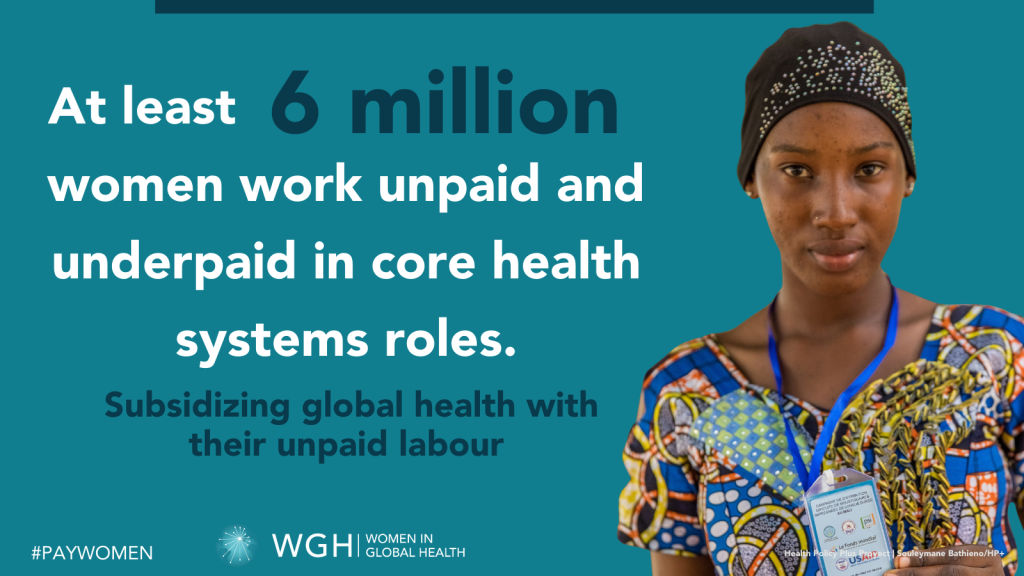
Women community health workers (CHWs) are vital in achieving health for all. Yet, they face economic and gender injustice, with over 6 million being either unpaid or significantly underpaid, working in insecure conditions with few opportunities.
Despite this, women CHWs are breaking gender stereotypes, and acting as role models for younger women and their communities.
Our report highlights women community health workers (CHWs) as leaders and agents of social change in their communities, exploring their experiences and advocating for their career advancement.
Women CHWs know their value and want to progress in their careers but need tailored opportunities.
Women CHWs’ perceptions of what it means to be a leader challenge the health systems’ hierarchical models that exclude them.
Women CHWs are driving gender-transformative change but need more support.
Women CHWs face economic and gender injustice.
Women CHWs have the answers but are invisible to policymakers.
Women CHWs can help resolve the global health worker shortage emergency.
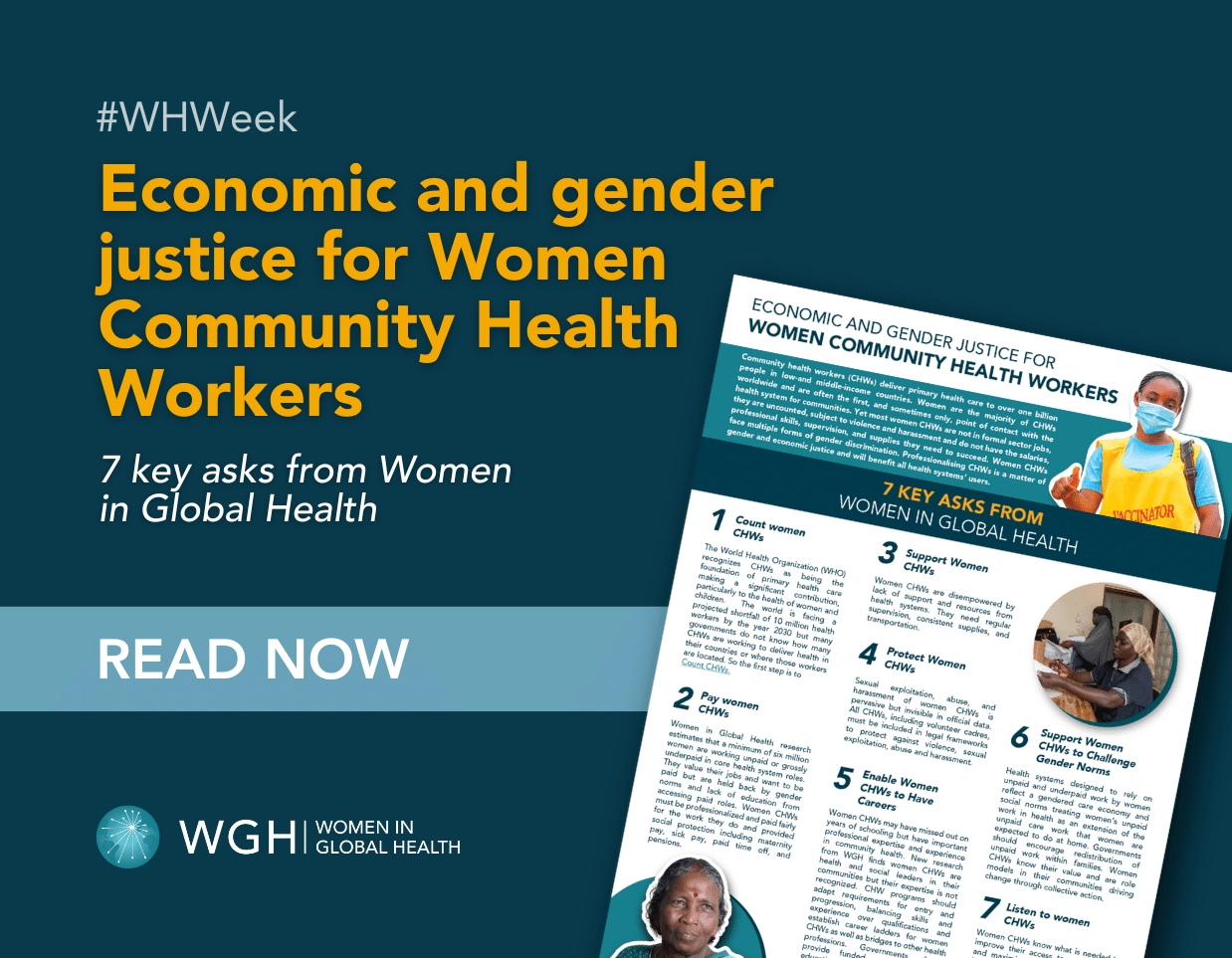
For World Health Worker Week 2024, Women in Global Health called for gender and economic justice for women Community Health Workers. By professionalizing their roles, we empower women, strengthen local health systems, and ultimately improve health outcomes for all. When CHWs have the training, supervision, and resources they deserve, they can reach their full potential, delivering quality care and promoting healthier communities.
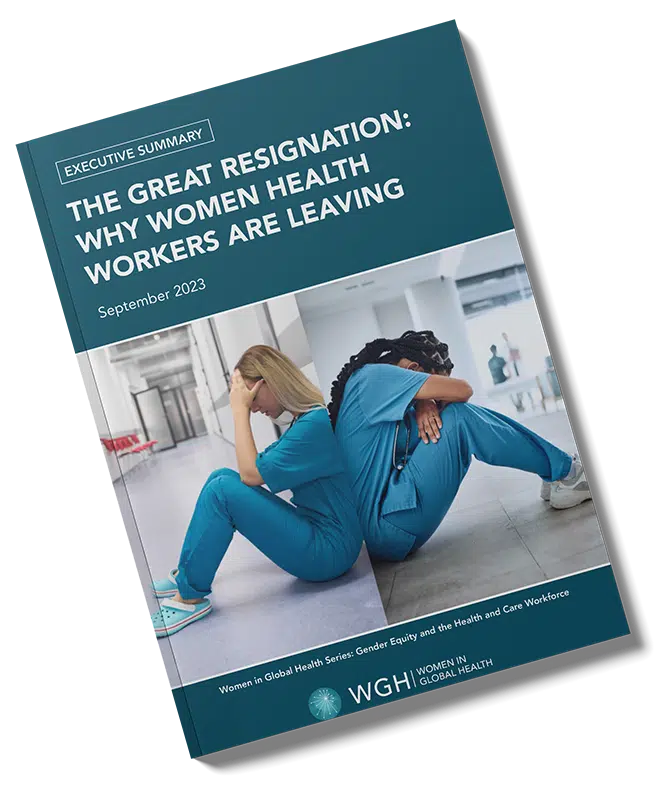
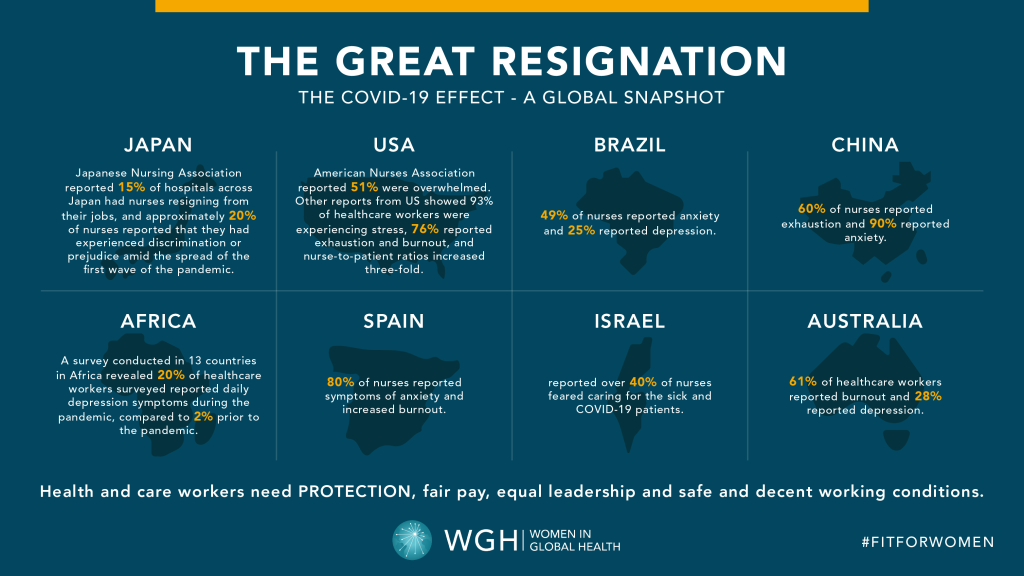
Women, who make up the majority of frontline health workers, are facing unprecedented challenges as the pandemic continues into its fourth year, forcing them to leave the workforce.
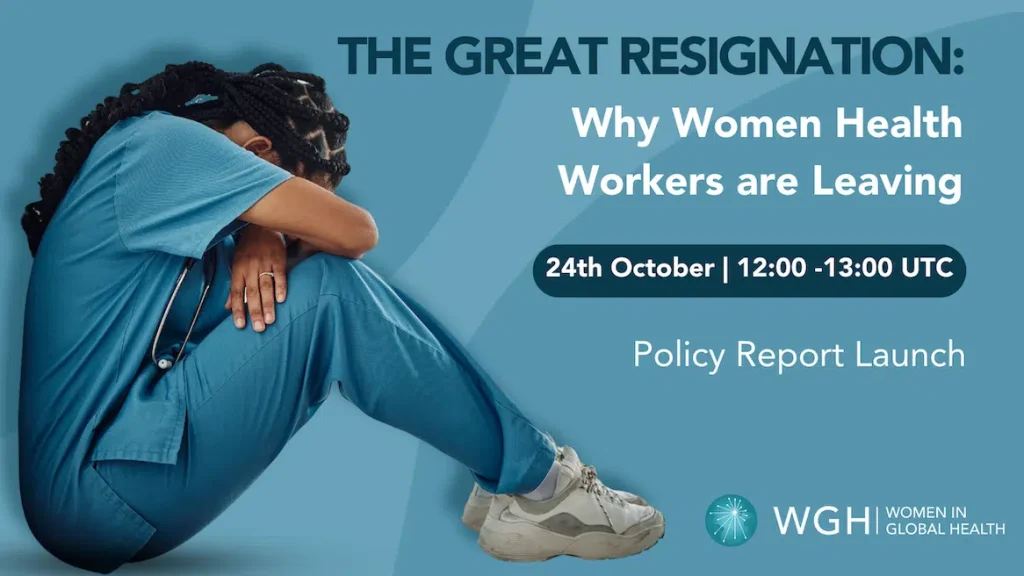
The ‘Great Resignation’ of women health workers is impacting women and health systems globally, with a concerning ‘Great Migration’ trend. This exodus exacerbates the existing health worker shortage crisis, affecting countries striving to achieve universal health coverage.
Our report explores these issues in depth and calls for gender-transformative solutions to address workforce imbalances.
This policy report examines a growing global trend within the health sector, the ‘Great Resignation’ of women health workers leaving or planning to leave the profession. The pandemic has impacted everyone but it has impacted women and men in the health sector differently because of the different and unequal positions they hold in the health workforce and in wider society.
This report sheds light on this alarming phenomenon and its implications for both women and health systems worldwide. With a deep concern for the ‘Great Migration’ of women health workers from low- and middle-income countries, it highlights the urgent need for solutions and sets out recommendations based on gender transformative change to prevent and revert this crisis.
The prolonged COVID-19 pandemic has intensified gender disparities within the health workforce. Women health workers, despite their significant contributions, face low pay, inadequate protection, and increased unpaid care work. This has led to a “Great Resignation,” particularly in high-income countries, demanding urgent action.
The resignation of women health workers in high-income countries is driving a “Great Migration” from low-income countries, straining already vulnerable health systems. Rapid health worker loss threatens global health goals, including Universal Health Coverage.
Global health worker shortages were a concern pre-pandemic, and the crisis has exacerbated this issue. Urgent action is needed to retain and attract women health workers back into the sector.
Current global measures to protect health workers may fail if strong incentives for migration are introduced in high-income countries. Urgent action is required at all levels to address this pressing issue and the gender inequities within the health workforce.
The Great Resignation: Why Women Health Workers are Leaving – Policy Report Launch
This virtual launch event, scheduled offered a unique opportunity to delve into the report’s findings and possible policy solutions.
Don’t miss the chance to gain insights from the perspective of women health workers themselves and engage in the discussion of policy implications. Join us to be part of the conversation that seeks to address these critical issues.
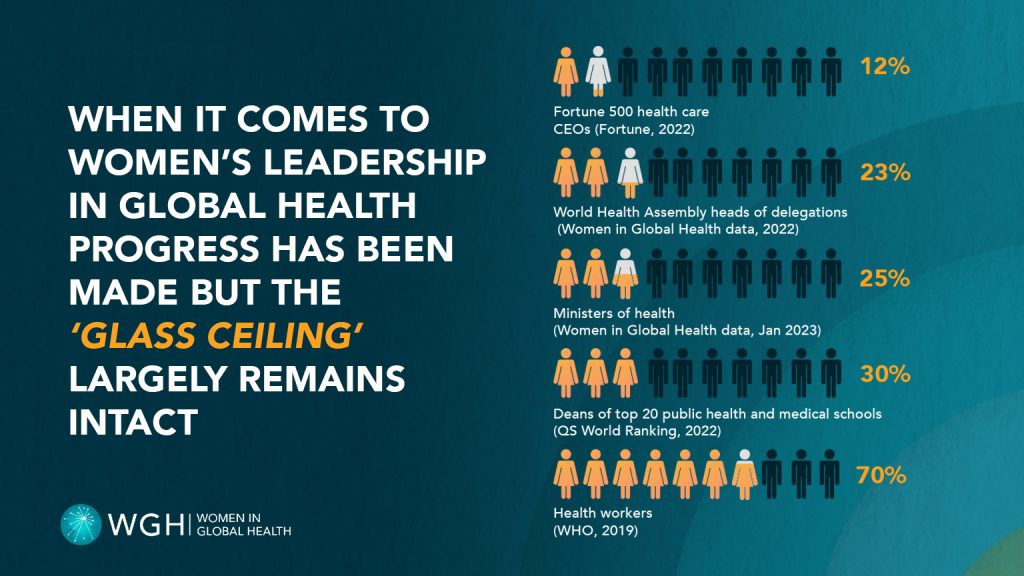
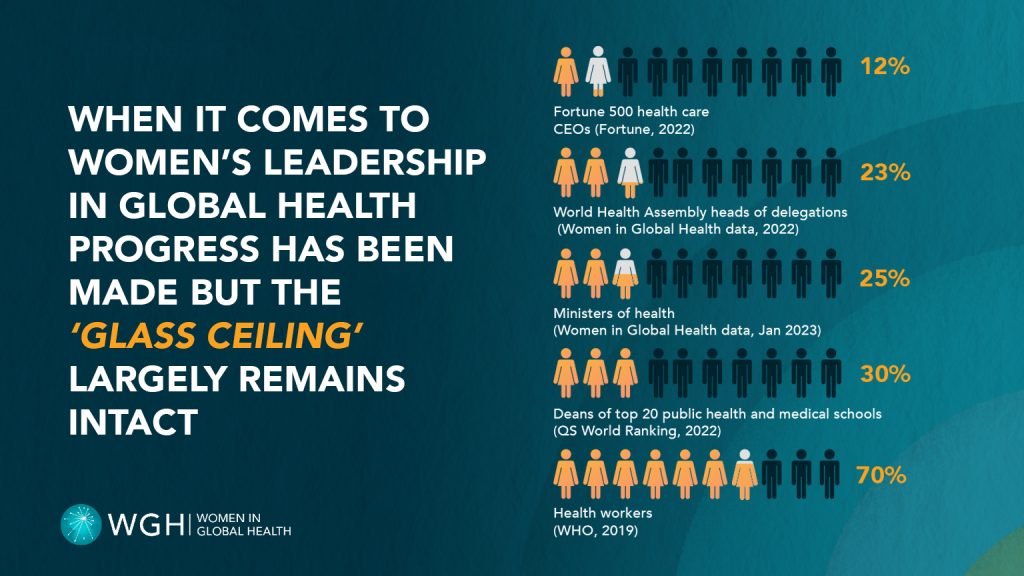
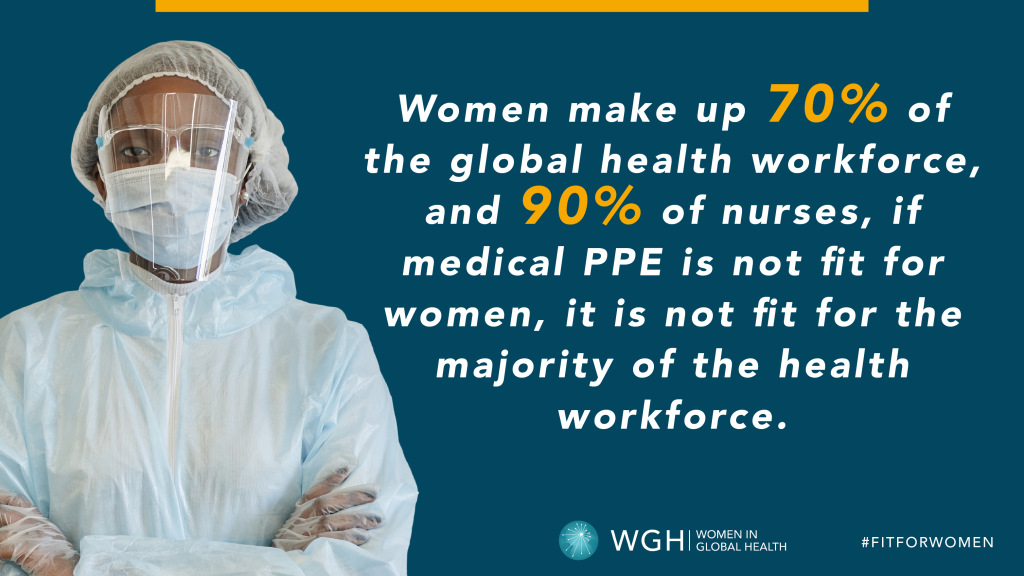
Today, women hold around 70% of health worker jobs globally, over 80% of nursing and midwifery roles. Women’s work – paid and unpaid – forms the essential foundation for health, well-being and delivery of health systems.
Despite the contribution women make to health systems and supporting the realization of health for all, women hold only 25% of senior leadership roles in the sector. If leadership roles were allocated on merit then, since women are 70% of health workers, 70% of health sector leaders would be women. This is the opposite of the current situation where men hold 75% of leadership roles but are only 30% of health workers.
This gendered leadership gap is what we examine in this report, drawing both on global data and country case studies from India, Nigeria and Kenya.
Women in Global Health undertook this research on the state of women’s leadership and global health to assess the pace of change at global level, the impact of the pandemic and inform our recommendations with country experiences from India, Kenya and Nigeria.
Our headline conclusion is that women are still significantly underrepresented in health leadership and that impacts negatively on women affected and on health systems. It is therefore everybody’s business. Women working in health have the right to equal leadership opportunities, and health systems need their expertise.
Health and care are essential employment sectors for women, and the challenge is to remove the barriers that prevent them from entering leadership positions. The health sector has the potential to generate gender transformative lessons for the rest of the economy by addressing systemic biases that hinder women’s career growth. Gender equity in the health workforce is a sound investment with potential gains for health systems, social change, and economic growth.
Women remain a minority in global health leadership: progress has stalled
Women lost ground in health leadership during the COVID-19 pandemic
Applying an intersectional lens shows some groups of women are most excluded from health leadership
Across contexts and cultures, women experience common challenges accessing leadership in health
Governments have made global commitments to gender equality in decision-making but these will only drive change when implemented
Gender equal leadership at national level will feed female talent into global health leadership
Women know what they need to access health leadership
Women in health are shaping leadership
Enable diverse women to lead
Fast track actions to redress gender inequality in global health leadership
Increase the visibility of women working in health
Mobilize men to lean out and step up as allies, and end ‘male bonus syndrome’
End the ‘default man’ bias; prioritize implementation of and accountability for policies that support women’s lives
Support women’s movements to accelerate collective action
Deepen understanding and the evidence base for policy with more research and data
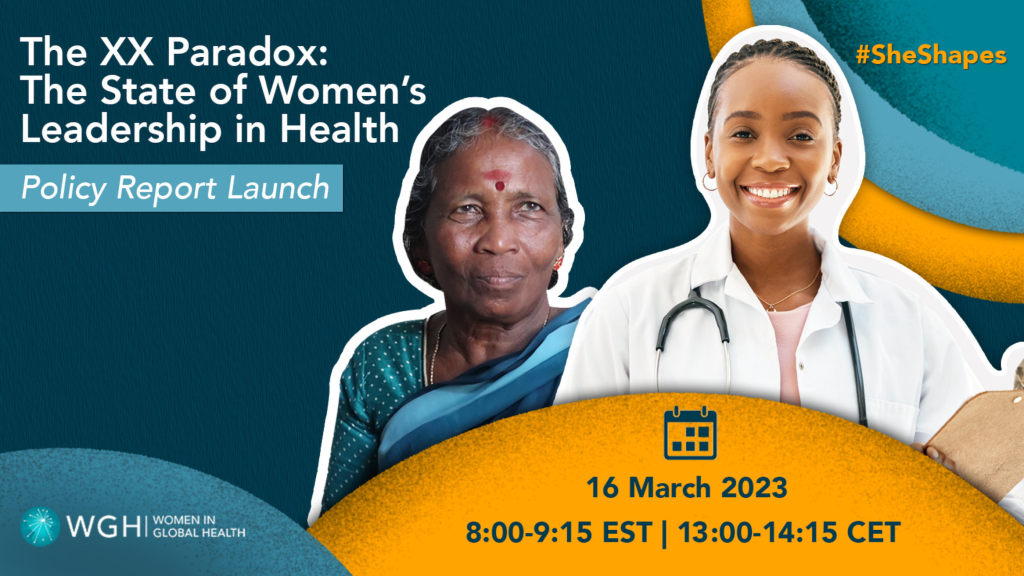
The XX Paradox: The State of Women’s Leadership in Health
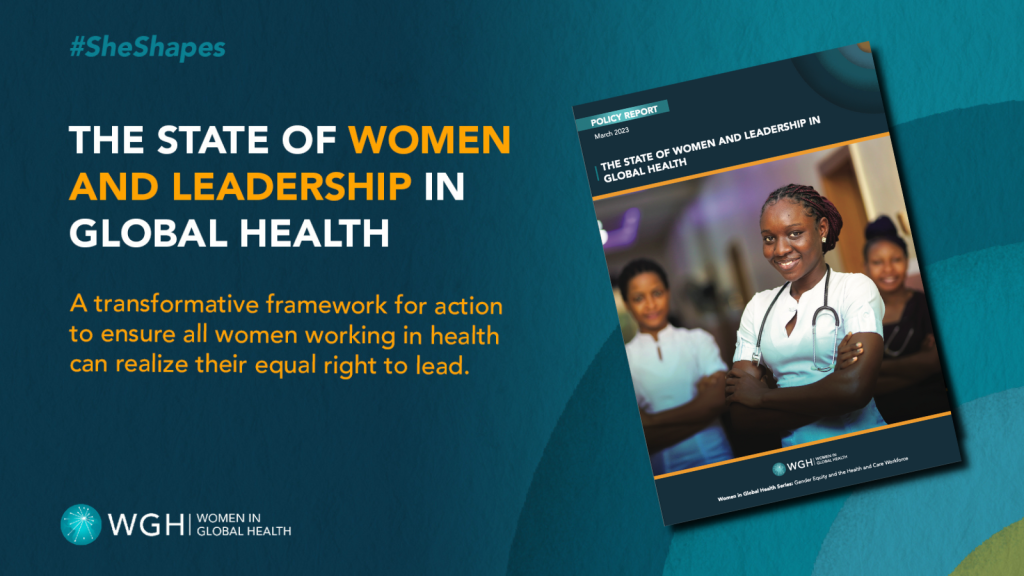
Join us on Thursday, March 16 2023 at 08:00 – 09:15 EST when, against the backdrop of the 67th Commission on the Status of Women, Women in Global Health will be launching our new flagship publication: The State of Women and Leadership in Global Health. This virtual event will present evidence on the position of women in global health and new research on women’s leadership in health from Women in Global Health Chapters in Kenya, Nigeria and India. This event will bring health leaders together to discuss the actions needed to transform the current status quo so women from all backgrounds can play their part in shaping the future of health for all.
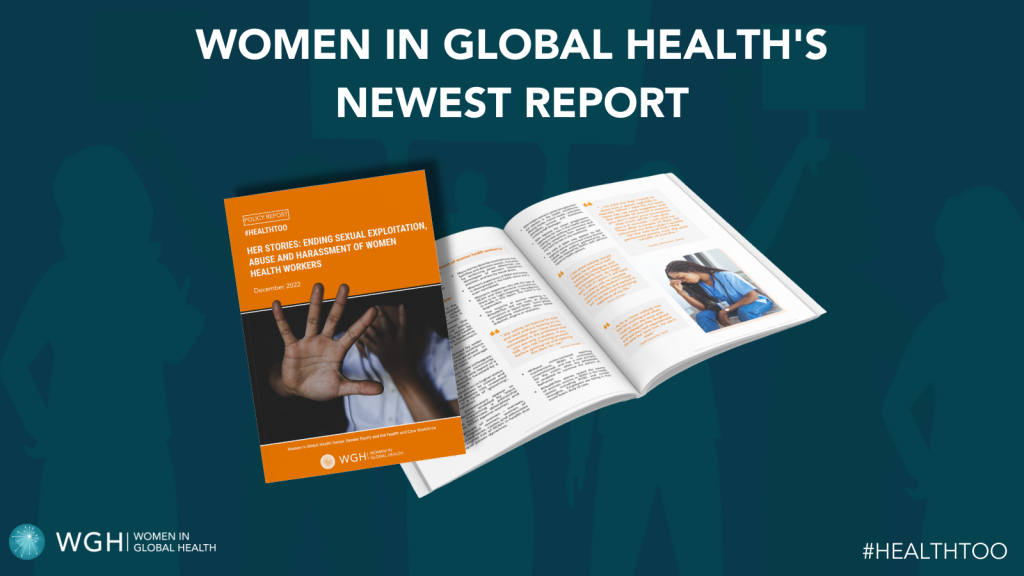
Women in Global Health’s latest policy report Her Story: Ending Sexual Violence and Harassment of Women Health Workers is the culmination of our #HealthToo research project and online platform. It reveals the widespread problem of sexual violence and harassment experienced by women health workers.
In the absence of comprehensive data on Sexual Exploitation, Abuse and Harassment (SEAH) in health, our report uses the testimony of women as data to bring the reality and nature of the problem to life, as well as the conditions that enable it. We analyzed women’s stories from 40 countries, in ten languages, and collected accounts through literature and partners from many other countries to contribute to the knowledge base on SEAH in health. This report details the experiences of women, in their own words, and sets out recommendations for bringing an end to SEAH in global health.
Learn more about our work on sexual exploitation abuse and harassment in health.
Listen to the interview with lead author Ann Keeling bellow:
To end denial about a problem made invisible to policy makers by lack of data (sex disaggregated) and no transparent reporting of cases and their outcomes. We want to put this on the policy table as an issue women talk about and men acknowledge needs to be prevented.
To encourage women to work collectively through women’s organizations like WGH, trade unions and professional associations to raise this issue as an unacceptable violation of women’s and employment rights. We want to fight the ‘normalization’ of such abuse that women feel they have to manage.
To encourage men to step up both as organizational leaders to set a culture that doesn’t just state ‘zero tolerance’ but makes that happen. We also want other men to become active bystanders and step in to say that sexual harassment is unacceptable. Everyone needs to own this problem.
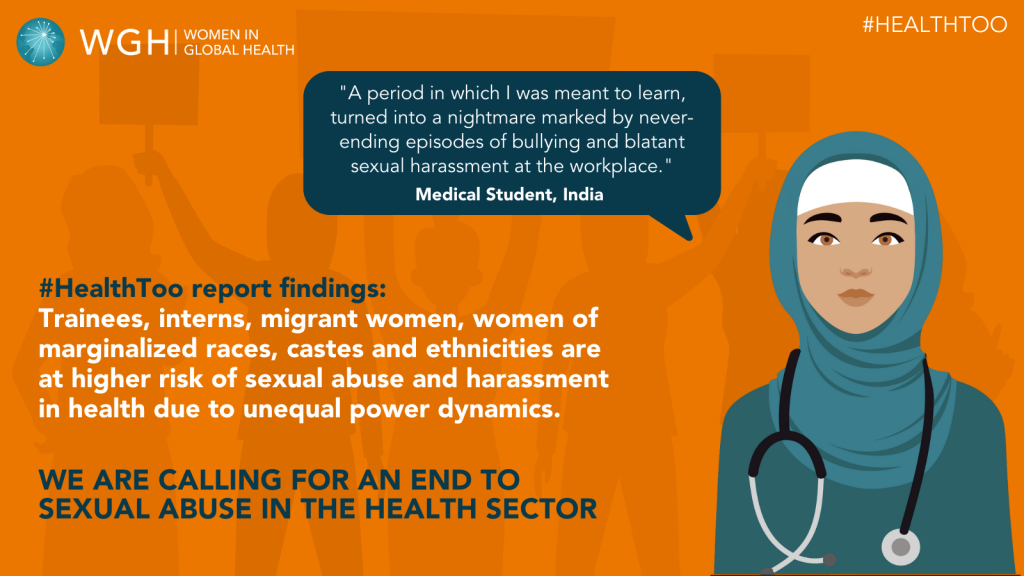
To increase momentum for gender parity in health leadership, recognising the positive impact of women’s leadership. Womens marginalization in health leadership (holding 25% senior roles) enables sexual harassment. It is rare for women leaders to perpetrate sexual harassment. Since women are 70% workers in the health sector there is no reason why men should dominate leadership.
To raise awareness of the costs of sexual harassment of women in the health sector, for women and for health systems. And more, for political decision makers and organisational leaders to recognise the costs of inaction. It does not make human or economic sense to protect a few men who choose to abuse women over protecting women health workers who just want to do their jobs.
Although SEAH of women health workers appears to be universal, legal frameworks, cultures and socio-economic contexts vary widely. Action needed to end SEAH in the health workforce must follow broad principles and approaches but be closely tailored to the country context. The proposed solutions below outline approaches and critical points that have emerged from #HealthToo that should be addressed in all contexts.
The biggest deterrent will come when men who choose to sexually abuse women health workers know for sure that their behavior will be made public and the shame and blame will fall on them and not on their victims.
Organizational leadership is critical. Gender parity in health leadership will drive change but since most perpetrators are men, we should regard this as a men’s problem and not a problem for women to fix. We advocate for all leaders to be gender transformative leaders intentionally addressing gender inequality. Measures to prevent, report and sanction sexual harassment should be included in organizational performance measures and the performance of leaders.
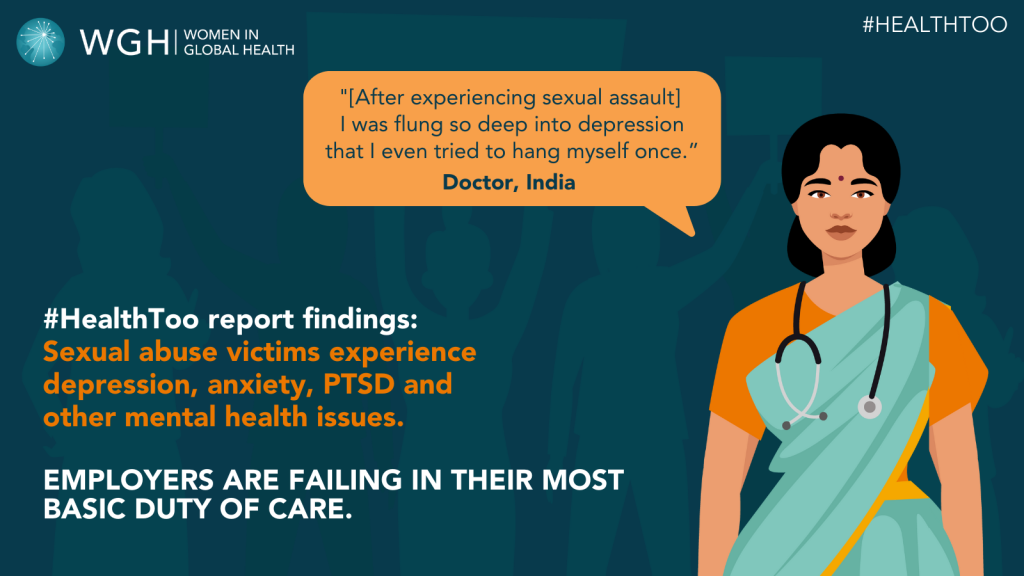
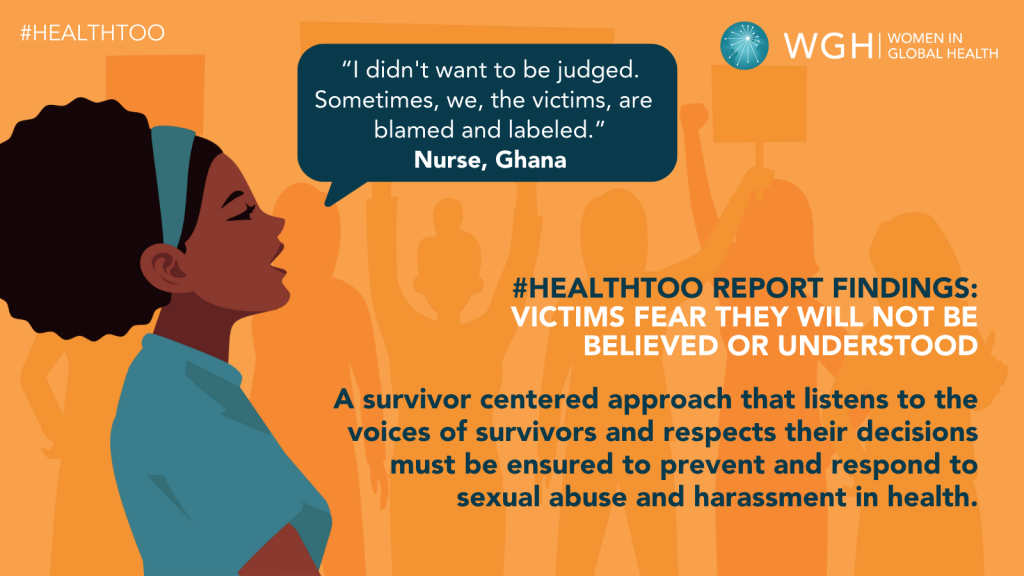
We should listen to women and learn from platforms like #HealthToo. Organizations should take a survivor centered approach to ensure the rights of survivors are clear, well known and that they are protected from retaliation. We must ensure survivors have access to legal, mental health and other services they need to rebuild their lives and careers.
All countries need to put in place the legal framework to protect women workers. Many countries still lack laws to prohibit work-related sexual harassment. ILO Convention 190, that came into force in 2021, is the first global convention to address work-related violence and harassment. To date only 23 countries have ratified C190. Ratification is a first step for countries to bring their laws in line with a global standard.
We cannot give figures on prevalence of sexual harassment in the health workforce globally or on most countries because countries and organizations do not collect data or they use different terminology so it isn’t comparable. To make this abuse visible, set baselines and measure progress international agencies such as WHO and ILO should work with member states, women’s organizations, trade unions and professional organizations to set a standard for collecting sex-disaggregated data based on definitions in C190. Then this abuse will no longer be invisible.
Share the report’s findings with our advocacy tiles
The Gender Equal Health and Care Workforce Initiative (GEHCWI), led by the Government of France and Women in Global Health (WGH), is aimed at increasing visibility, dialogue, and commitment to action on gender equity in the health and care workforce. The Initiative convenes the international community to implement existing global commitments and to agree on practical steps to achieve gender equity in the health and care workforce.
In the third year of a global pandemic, gender inequality in the health and care workforce continues to be a pressing issue. Reports of violence and abuse against women health and care workers, unsafe working conditions, and a lack of women in senior decision-making roles in health, continue to impact negatively on individual health workers and undermine health systems globally. A new and worrying trend is gathering pace, as reports of women health and care workers resigning their jobs in high-income countries continue to surface. Some estimates from the United Kingdom place the number of health and care workers planning to leave at 1 in 5. This “Great Resignation of health and care workers” adds to the WHO’s reported health worker shortage of 15 million globally. Additionally, this Great Resignation is beginning to catalyze what could become a “Great Migration” of health and care workers from low- and middle-income countries to high-income countries. Since women are the majority of health workers and 90% of nurses, both the Great Resignation and any future Great Migration involve women particularly. The pandemic deepened gender inequities that disadvantaged women in the health workforce well before Covid-19. The migration of trained health workers from low-income countries with the most serious health worker shortages threatens to destabilize already weakened health systems in the countries they leave behind.
The challenges posed by the pandemic make the GEHCWI commitment to gender equity in the health workforce more relevant than ever. After nearly 2 years of unwavering support, the GEHCWI says goodbye to Ambassador Stéphanie Seydoux of France as she steps into the role of World Health Organization’s Envoy for Multilateral Affairs. For France, GEHCWI is now under the new leadership of Ambassador Anne-Claire Amprou, also acting as France’s lead negotiator for the Pandemic Instrument. Additionally, France has announced a commitment of €120 million over five years towards the WHO Academy, enabling the construction of its headquarters, recruitment of a team, and the creation of content. Furthermore, a new €50 million in support for the Health Systems & Response Connector was announced in February 2022. This funding will support the goals of the GEHCWI and contribute to the achivement of gender equity in the health and care workforce.
In 2022, the GEHCWI hosted 6 events with the participation of Ministers, government officials, representatives from multilateral organizations and NGOs, and health workers from around the world. These speakers discussed the importance of safe and decent working conditions for women health and care workers, the need to pay women health and care workers fairly, the importance of women’s leadership in building back better from the COVID-19 pandemic, and the need to work multilaterally to prevent the Great Resignation and subsequent Great Migration of women health and care workers.
The GEHCWI also saw significant engagement and participation from various stakeholders in the health and care sector. Metrics for the initiative include 12.5 million Twitter impressions, 995 Twitter posts, 635 participants in the conversation and six featured media pieces. Additionally, the initiative received 13 new commitments in 2022, bringing the total number of governments and organizations joining the Initiative to 47: 16 governments, 8 multilateral organizations, and 23 NGOs.
Last year, the Initiative made significant progress in raising awareness and galvanizing action towards gender equity in the health and care workforce. In 2023, the GEHCWI remains committed to its goal, and with the support of governments, multilateral organizations, and NGOs, the Initiative is well-positioned to continue making progress towards the critical goal of a gender-equal health and care workforce.
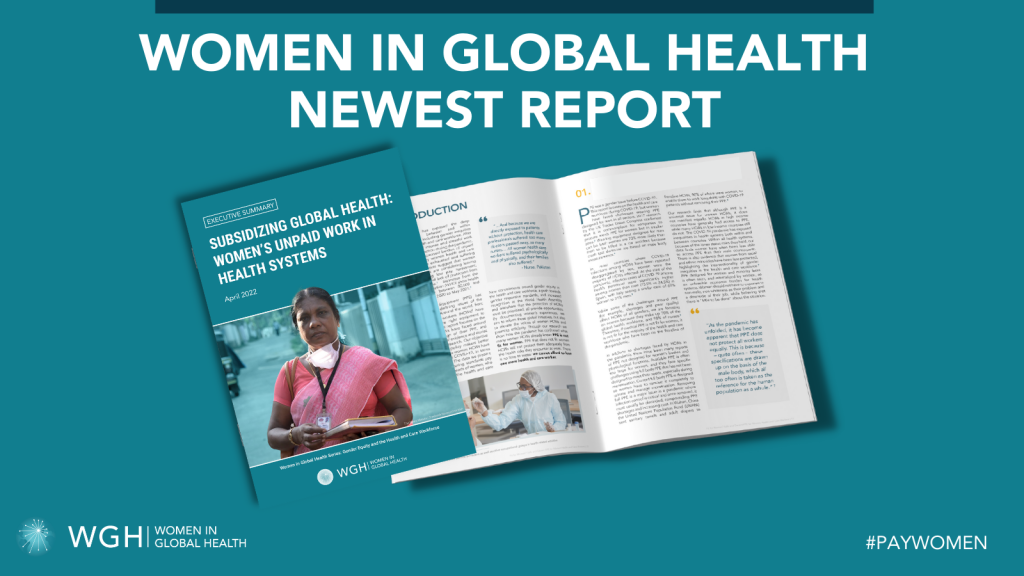
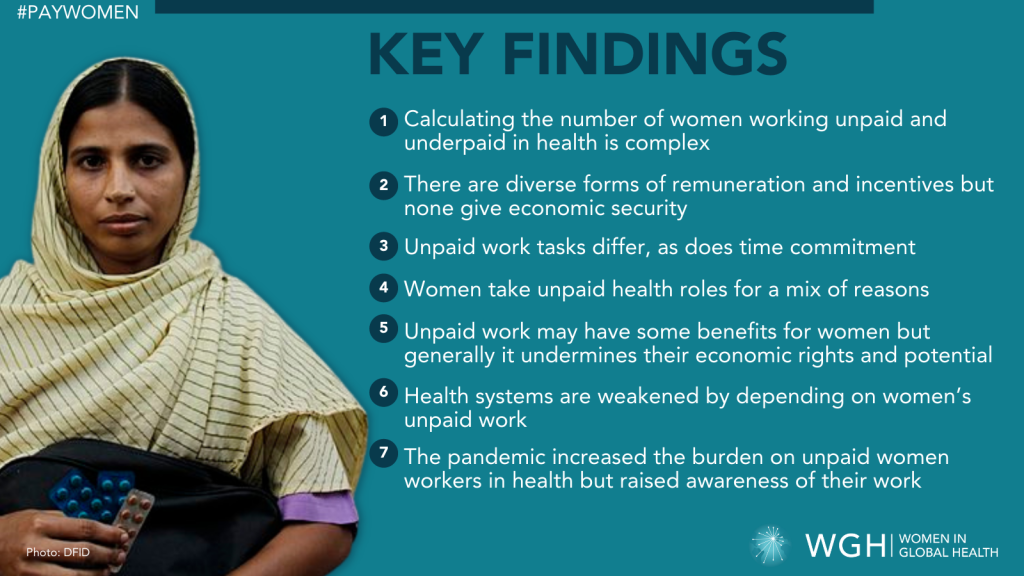
This report examines the unpaid and underpaid work done by women in health systems, asks why women take up this work, and considers the impact of that work for women, health systems, and societies. It draws on interviews with women health workers in Ethiopia, India, Malawi, Mexico, and Zambia and aims to include their diverse perspectives.
The COVID-19 pandemic has put health center stage globally and exposed the deep inequalities between and within countries, highlighting gender inequality between women and men. Women have made an exceptional contribution to health systems, economies, and societies from community to global levels since the start of COVID-19. They have shouldered the burden of health systems delivery for more than two years of the pandemic since women are 70% of the global health workforce and 90% of health workers in patient-facing roles.
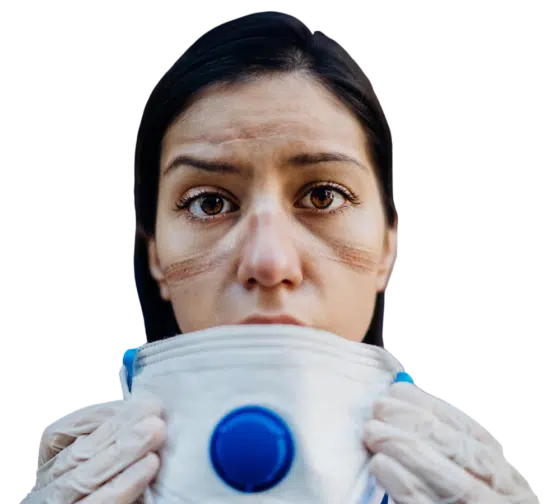
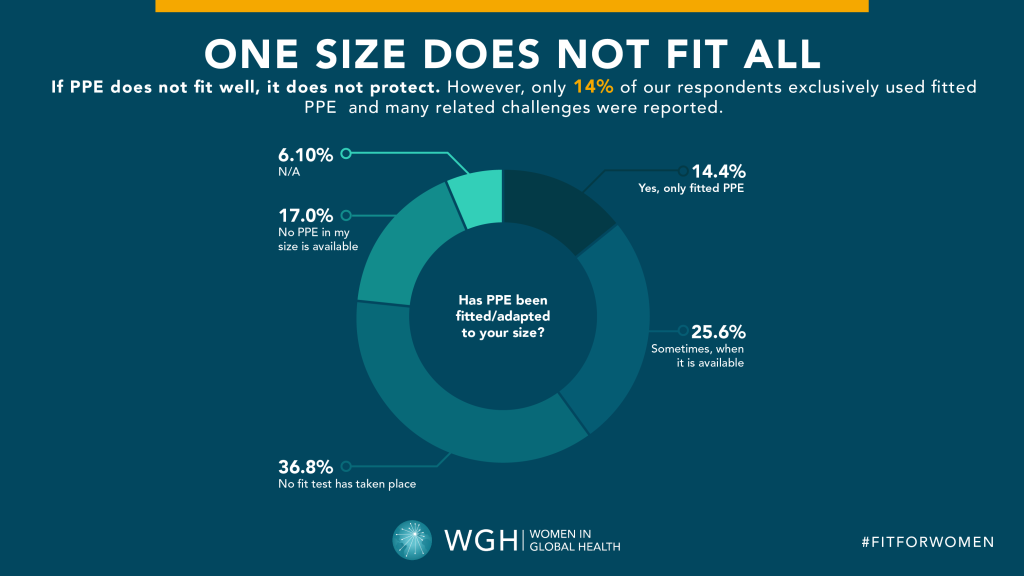
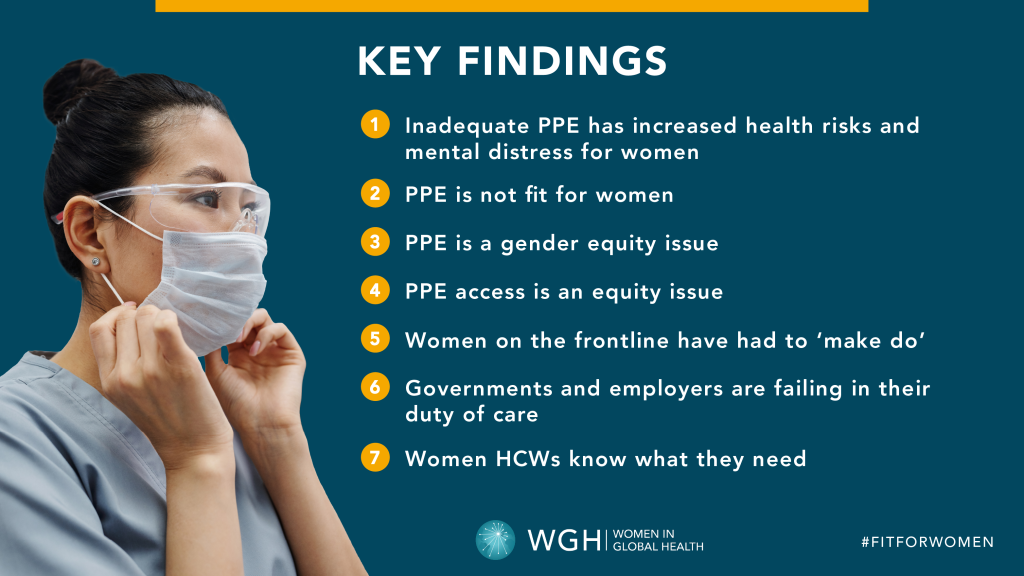
One of the many gender inequities in the health and care workforce that COVID-19 has exposed is around the fit and design of Personal Protective Equipment (PPE). The rapid onset and scale of COVID-19 led to shortages of PPE in most countries, causing preventable infection and mortality among healthcare workers and others on the front lines. Even though most health workers are women, manufacturing specifications for medical PPE are usually drawn up based on the male body and there have been many reports of PPE not designed for women’s bodies. WGH undertook a global research project to document the challenges women health workers have faced.
We thank Johnson & Johnson Foundation for their sponsorship and support throughout the creation of this report.
As governments and stakeholders prepare for future pandemics, frontline voices of health and care workers offer invaluable guidance. The imperative echoes clearly – to protect, empower, and involve women health workers. This entails safeguarding them from gender-based violence, ensuring a steady and gender-appropriate supply of personal protective equipment (PPE), and providing essential mental health support. In addition, specialized training programs, mentorship, and equitable compensation are urgently needed to empower women health workers for leadership roles in global health and health policy.
This policy brief is a call to governments to prioritize the safety, empowerment, and equitable treatment of women health workers in all their future pandemic preparedness efforts.
We asked our diverse network of chapter members to draw on their lived experiences of the pandemic and recommend concrete national-level policies, actions, activities, and programs related to women health workers that governments should implement to better prepare for and respond to future pandemics. Feedback from representatives from 37 WGH Chapters in 31 countries- comprising health workers, academics, policymakers, non-governmental organizations, government representatives, and students- informed the recommendations of this policy brief.
Their insights reflect both common global concerns and region-specific challenges, highlighting the need for comprehensive policies that address the gender-specific needs of women health workers while considering regional and individual variations. The survey data (in quotes) and the results of our qualitative analysis form the foundation for the evidence-based recommendations presented in this policy brief. Key themes emerged that were common across countries with diverse socio-economic statuses and cultural contexts.
Governments must prioritize women health workers and their safety
Governments must invest in capacity building of women health workers to respond in pandemics
Health systems must become more gender-responsive
Governments must conduct regular risk assessment of health systems infrastructure and the workforce
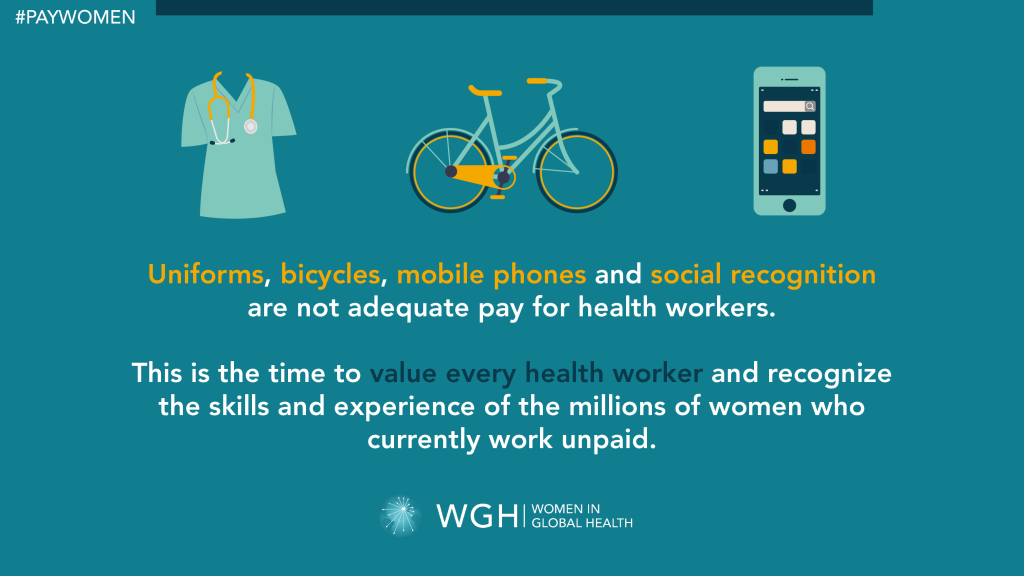
Governments must ensure better working conditions, benefits, and incentives for women health workers
Governments must invest in innovative, collaborative and gender-responsive research
Governments must improve coordination and dissemination of information
This work was carried out with the aid of a grant from the International Development Research Centre, Ottawa, Canada. The views expressed herein do not necessarily represent those of IDRC or its Board of Governors.
In March 2020 as the pandemic began to escalate globally Women and Global Health issued a Call to Action with 5 asks to address the impact of pandemics for women and girls and strengthen health security for all. Six months later, our 5 asks remain unchanged.
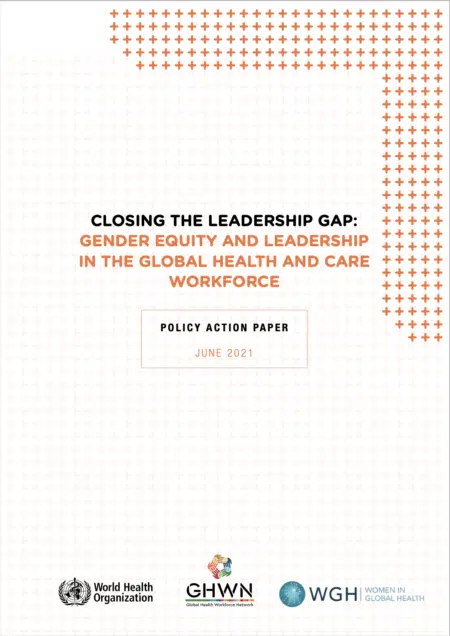
Women are almost 70% of the global health and social workforce but it is estimated they hold only 25% of senior roles. During the COVID19 pandemic women have provided much of the health and care, but have not had an equal say in decision making. This pervasive leadership gap between women and men in health can only be closed by addressing systemic barriers to women’s advancement.
This policy action paper, produced by the WHO Global Health Workforce Network’s Gender Equity Hub, (co-chaired by WHO, and Women in Global Health), outlines a framework for change across four action areas:
Building a legal foundation for equality in the workplace;
Addressing social norms and stereotypes;
Addressing workplace systems and culture; and
Enabling women, who are the majority in the health and social care workforce to lead. The primary target audience for this Policy Action Paper is national authorities and intersectoral policy-makers from all levels, as well organizational leaders, publishers, media, male allies, and women in the health and care workforce.
Build the foundation for equality: Governments must create the legal foundation for gender equality to enable women to engage equally with men at work. Laws and policies that address underlying causes of gender inequity are needed. The gender balance will not equalize on its own.
Address social norms and stereotypes: Social norms and gender stereotypes drive much of the gendered segregation in the health and social workforce and the lower value placed on professions that are majority female. Gendered stereotypes of occupations and of leadership as a “man’s role” originate long before people join the workforce.
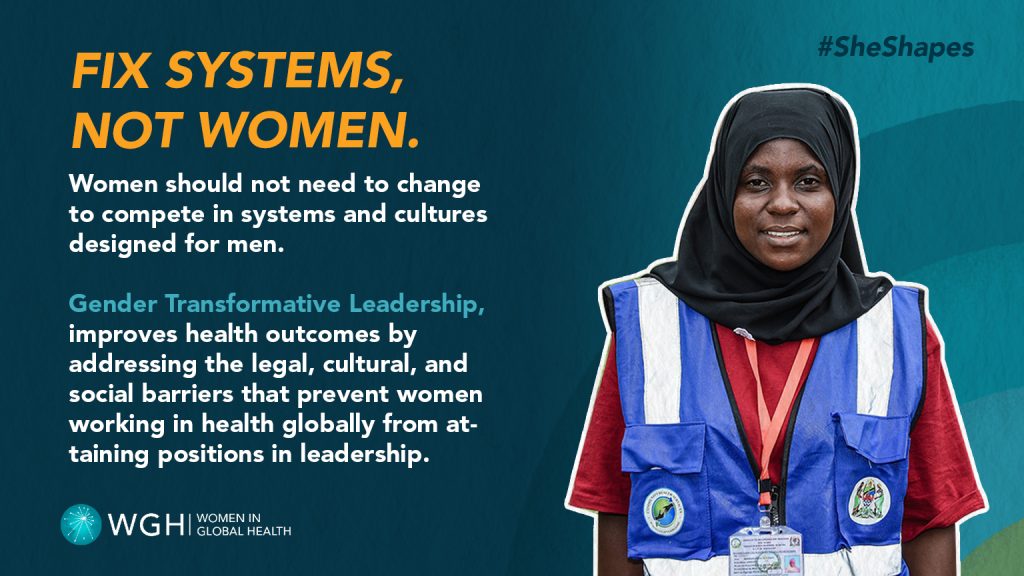
Address workplace systems and culture: Interventions in this area in the past have focused on training for women in areas such as self-esteem and self-presentation, on the assumption that women needed to change to compete in systems and cultures designed for men. This ignored the systemic inequality, bias and exercise of power that favoured men for leadership roles.
Enable women to achieve: Employers should put in place deliberate measures to enable women, who are the majority in the health and social care workforce, to apply for and achieve leadership positions equally and on merit.
Global health and social care are delivered by women and led by men. We cannot address this inequality by changing women.
There is no shortage of women in the health and care talent pipeline in most countries but gender inequality is systemic and will not change without deliberate action.
Gender equal leadership in global health is the foundation for UHC, strong health systems and global health security.
Organizations led by diverse groups (including women) have better results.
Taking an intersectional approach is essential to understanding differences between women and factors such as race, caste, disability, class etc. that can multiply disadvantage.
Leaders set the tone, and transparency is critical.
Commitments on equality in leadership have been made in the SDGs and other global agreements and need to be delivered. Accountability is key.
Beyond gender parity in leadership, all leaders must be gender-transformative leaders to catalyse change. COVID-19 threatens to undermine the gains women have made in health and care leadership.
Since women deliver health and social care to around 5 billion people, ensuring equity in health and care leadership is everybody’s business.
As of September 2020 around 30 million people worldwide have been infected with COVID-19 and close to 1 million people are known to have died. The pandemic is far from over. In addition, deaths are resulting indirectly from COVID-19 as health systems are disrupted, gender-based violence increases and economic fallout deepens hunger, despair and extreme deprivation. Behind every statistic is a human story. COVID-19 has changed the world profoundly, causing death and devastation now and aftershocks that will scar future generations. This is a break in history and a chance to fix the structural weaknesses in our health and social systems so we can better withstand future shocks. This is our opportunity to rebuild global health security on a stronger and more equal foundation and ensure that the women who deliver health and social care are leading the systems they know best.
Men and women are all likely to need diagnostic tests at some time in their lives, and some of the barriers identified in our report may be common to both sexes. In some areas of health, there may be a greater testing gap for men than women because social norms encourage men to take greater health risks and focus less on prevention. Women need tests for conditions and diseases common to both sexes (e.g. HIV/AIDS, COVID-19) and they also require tests for conditions unique to women (e.g. antenatal tests related to pregnancy). Women’s reproductive role means the average woman will be likely to need more diagnostic tests during her lifetime than the average man.
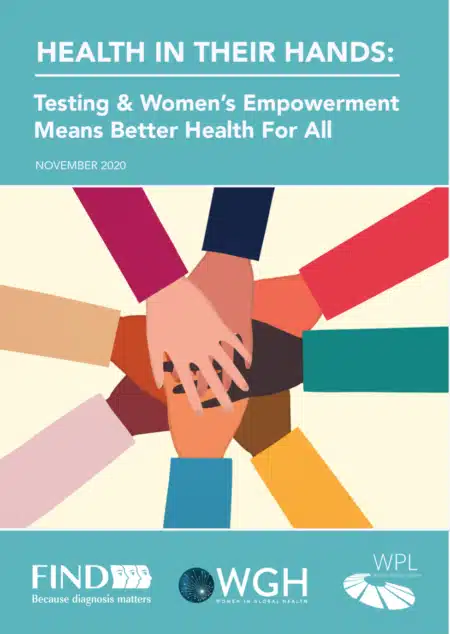
The Foundation for Innovative Diagnostics (FIND) and Women in Global Health have joined forces to gather evidence on women’s access to testing and explore the potential of women as drivers of change in health systems, to help close the testing gap that is holding back universal health coverage (UHC) and health for all. The result is this report, entitled Health in their hands: testing & women’s empowerment means better health for all.
Although some of the obstacles described in our report are experienced by women in all countries, the focus of this report is on women in low- and middle-income countries, who face the greatest burden of infectious, non-communicable diseases and maternal mortality and have least access to diagnostic testing.
We hope this report will start a global conversation that leads to investment in women’s health through reaching women with diagnostic testing. We also hope this report will lead to a new focus on the role women play as drivers of diagnostic testing for the whole of society.
Testing and knowing their health status empowers women to better manage their health and plan their lives.
Universal health coverage (UHC) cannot be achieved without closing the testing gap and must address the barriers that impede women’s access to testing.
Action on testing is most urgent in low- and middle-income countries, where women face the greatest burden of disease but have least access to diagnostic testing.
There is lack of investment in and limited data, research and evidence on women’s health and testing.
When empowered, female healthcare workers will scale up testing for everyone.
Women’s leadership – at community, health system and political levels – can drive access to testing.
The tests women need are often not available in health systems.
Gender inequality creates information, financial and cultural barriers for women to access testing.
Women lack trust in testing services, and may fear procedures, diagnosis, and stigma.
Barriers to testing are compounded for marginalized women, especially in humanitarian contexts.
Female health workers can scale up testing for everyone, if enabled with training, resources, and decent work.
Taking testing to women at home and work and self-testing can expand testing to more women.
Prioritize and invest in diagnostic testing as an essential component of UHC. Include access to testing as a commitment in the Political Declaration for the 2023 UN High-Level Meeting on UHC.
Collect data and conduct research on access and barriers to testing, including cost effectiveness studies to track the return to investment on testing and early, accurate diagnoses.
All countries should adopt Essential Diagnostic Lists that include a package of essential diagnostics for conditions specific to women.
Invest in innovation for low cost, quality self-testing methods and point-of-care testing devices to meet the demands of a large and underserved market.
Integrate testing into health systems at primary health care level and take testing as close to women’s homes and places of work as possible through female community health workers and self-testing, and in pharmacies.
Understand and address cultural contexts for women. Engage peer mentors, women health workers, and address women’s mobility and security concerns. Respect women’s privacy and cultural norms. Prevent and reduce stigma.
Reach the most marginalized women, ensuring that lack of information and affordability are not barriers to testing. Engage trusted channels to inform women about testing. Provide free services to the least able to pay.
Build community trust in testing. Ensure all health facilities maintain community trust by eradicating stock outs of essential testing components and have enough staff trained to carry out essential diagnostic tests.
Engage with men at community level through peer mentors to increase understanding of, and priority given, to routine screening and testing for women’s health and their own health.
Enable women primary health care workers (community health workers, nurses, midwives) through training and resourcing to deliver testing in homes and communities. Invest in decent work and conditions to attract and retain female health workers.
Engage women community leaders and women led community-based organizations to promote health literacy on testing and support women to attend. Women are more likely to take up testing if encouraged by women they trust.
Support women political leaders to be testing champions within their countries and communities to promote investment in health to ensure all women can access testing and treatment.
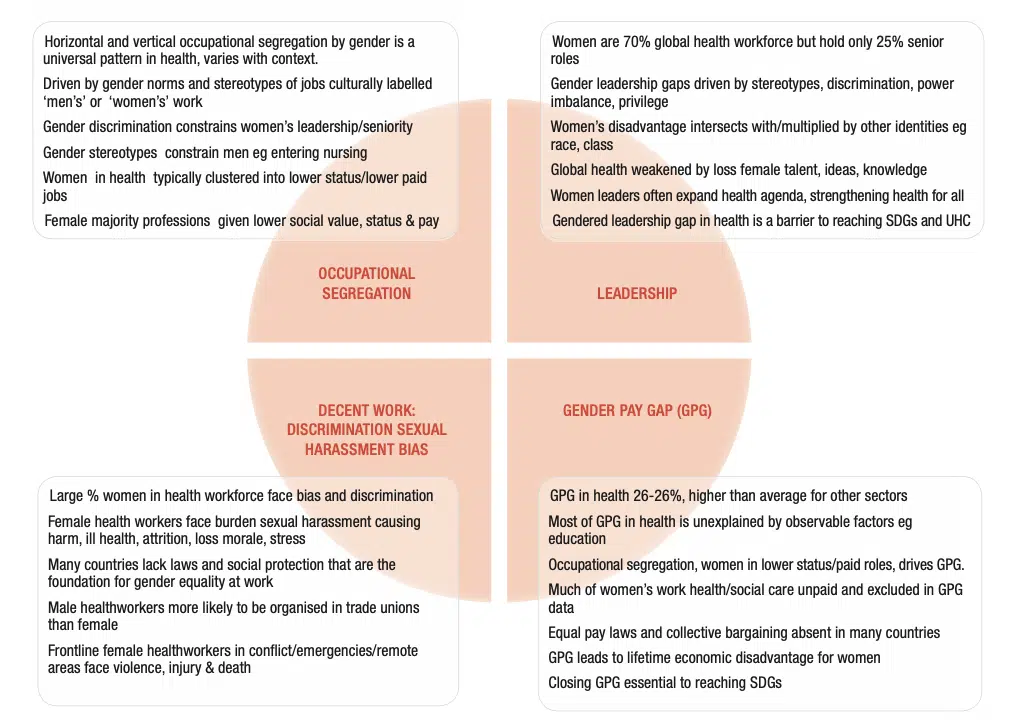
The report, produced by the WHO Global Health Workforce Network’s Gender Equity Hub, (co-chaired by WHO, and Women in Global Health), is a gender and equity analysis on the health workforce looking collectively for the first time at issues of leadership; decent work free from all forms of discrimination, harassment, including sexual harassment; gender pay gap; and occupational segregation across the entire workforce. It calls for gender transformative policies and measures to be put in place if global targets such as universal health coverage (UHC) are to be achieved. This report serves as an essential resource to all policy-makers, practitioners, researchers, educators and activists that must make it part of their core business to understand and effect change.
Most of the 170 studies found and reviewed in this report come from anglophone high-income country contexts and are unlikely to be applicable to other contexts.
There are gaps in data and research from all regions but the most serious gaps are in low- and middle-income countries. This is a major concern, since the most rapid progress in health is needed in low- and middle-income countries to reach the SDGs, attain universal health coverage and achieve the health for all targets by 2030.
Widespread gaps in the data and literature were found in countries of all income levels on implementation research, application of gender-transformative policy measures, and good practice on addressing health system deficiencies caused by gender inequality.
Major gaps and lack of comparable data were found in countries from all regions. Examples include sexual harassment and gender pay gap data.
Studies were limited in methodological approaches. Few used an intersectional approach to examine how gender disadvantage in the health workforce can be compounded by other social identities such as race and class.